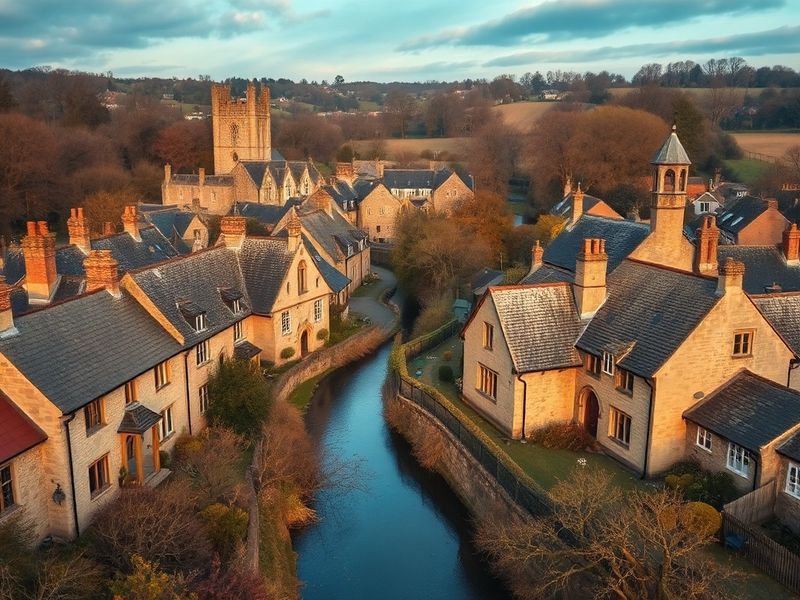
Nestled in the rolling hills of Wiltshire, Castle Combe is often described as one of England’s most picturesque villages. With its honey-colored stone cottages, narrow winding streets, and a history that stretches back to the Domesday Book, it’s no wonder this hamlet has become a magnet for photographers, filmmakers, and travelers alike.
The History Behind the Honey-Stone Façades
Castle Combe’s origins trace back to Saxon times, though its name hints at an earlier Norman influence. The village’s name likely derives from the Old English Cumb, meaning a small valley or hollow, combined with references to a castle or fortified structure that once stood nearby. While no grand fortress remains today, the earthworks of a motte-and-bailey castle can still be found just outside the village center, offering a tangible link to its medieval past.
By the 14th century, Castle Combe had flourished as a market town, benefiting from its location on a key trade route between Bristol and Oxford. Wool and cloth production drove its economy, and the village’s prosperity is evident in the grand Market Cross, built in 1346, which still stands as a testament to its medieval importance. Over the centuries, Castle Combe’s fortunes waned as trade routes shifted, but its charm remained untouched by industrialization.
Today, the village serves as a living museum of rural English life. Its preservation is no accident—strict conservation policies have ensured that modern development hasn’t eroded its historic character. This commitment to heritage has made Castle Combe a case study in sustainable tourism, proving that a community can thrive without sacrificing its soul.
Why Castle Combe Captures the Imagination
What sets Castle Combe apart from other idyllic English villages is its almost cinematic quality. The cottages, built from locally quarried Cotswold stone, glow with a warm golden hue under the sunlight. Their slate roofs, chimneys, and leaded windows create a harmonious visual rhythm, while the absence of street lamps and modern clutter enhances the timeless feel. It’s a place where the past feels not just visible but palpable.
The village’s layout is equally compelling. The High Street, a gentle curve lined with shops and tea rooms, leads down to the ford crossing the By Brook. This natural waterway adds a dynamic element to the scene, especially after rain when the water rushes over the stones. The contrast between the stillness of the stone buildings and the movement of the brook creates a dynamic tension that draws visitors in.
Castle Combe’s appeal isn’t limited to its aesthetics. The village has a palpable sense of community, with locals who are proud to share its stories. Whether it’s the annual By Brook Arts Festival or the weekly market, there’s a rhythm to life here that feels both authentic and inviting. For those seeking a respite from the noise of modern life, Castle Combe offers a rare opportunity to step into a slower, more intentional way of living.
Key Features That Define Castle Combe
- Cotswold Stone Architecture: Every building, from cottages to the parish church of St. Andrew, is constructed from the same golden limestone, creating a cohesive and harmonious aesthetic.
- By Brook: The village’s namesake stream meanders through the landscape, adding a natural element that enhances the picturesque setting.
- Market Cross: A surviving 14th-century structure that once served as the heart of the village’s medieval trade, now a symbol of its historical significance.
- St. Andrew’s Church: A 13th-century church with a striking spire, serving as a focal point for both locals and visitors.
- Castle Combe Circuit: A historic racing track that has hosted motorsport events since the 1950s, adding a modern twist to the village’s traditional appeal.
The Broader Implications of Preserving Village Life
Castle Combe’s enduring popularity raises important questions about the role of heritage in contemporary society. In an age where globalization and urbanization threaten to erase local identities, villages like Castle Combe serve as vital reminders of what makes a place unique. Their preservation isn’t just about aesthetics; it’s about maintaining a connection to history, craftsmanship, and community values that are increasingly rare in the modern world.
This preservation, however, comes with challenges. Tourism, while a boon for the local economy, can also strain resources and disrupt the very lifestyle that visitors come to experience. Castle Combe has navigated this balance with remarkable skill. The village limits parking to a single lot outside the center, encouraging visitors to walk and reducing traffic congestion. Local businesses prioritize quality and authenticity, ensuring that tourists leave with more than just a photograph.
Castle Combe also highlights the economic potential of heritage tourism. Unlike larger cities that rely on transient visitors, Castle Combe benefits from repeat tourism—people who return year after year to soak in its atmosphere. This loyalty is a testament to the village’s ability to create deep, meaningful connections with those who visit. It’s a model that other rural communities could learn from, especially as remote work trends make idyllic locations more appealing.
Moreover, Castle Combe challenges the notion that progress and tradition are mutually exclusive. The village’s success demonstrates that a commitment to heritage can coexist with modern amenities and economic viability. In a world where many rural areas face decline, Castle Combe stands as a beacon of what’s possible when a community embraces its past while looking to the future.
Visiting Castle Combe: A Practical Guide
For those inspired to visit Castle Combe, planning is key to making the most of the experience. The village is best explored on foot, as its narrow lanes and limited parking make driving impractical. Start at the Castle Combe Manor House Hotel, a 14th-century building that offers a glimpse into the village’s aristocratic past. From there, stroll down the High Street, popping into local shops like the Castle Combe Village Store or the By Brook Arts Gallery for unique souvenirs.
Don’t miss the parish church of St. Andrew, which dates back to the 13th century. Its interior features medieval wall paintings and a striking font, offering a quiet space for reflection amid the village’s bustling charm. Nearby, the old market cross stands as a reminder of Castle Combe’s medieval roots, while the ford over the By Brook provides a picturesque spot for photos.
For a deeper dive into the village’s history, visit the Castle Combe Museum of Fire Engines. Housed in a 17th-century tithe barn, the museum showcases a collection of vintage fire engines, offering a quirky yet fascinating look at local history. And if you’re a fan of motorsport, the Castle Combe Circuit is a must-visit, hosting everything from historic car races to track days.
When it comes to dining, Castle Combe offers a mix of traditional and contemporary options. The Castle Inn, a 16th-century coaching inn, serves classic British dishes in a cozy setting, while the Manor House Hotel’s restaurant offers a more refined experience. For a quick bite, the Castle Combe Village Tea Rooms is a charming spot for scones and homemade cakes.
If you’re planning to stay overnight, the options are as charming as the village itself. The Manor House Hotel, a former 14th-century manor, offers luxurious accommodations with modern amenities, while the Castle Combe Hotel provides a more relaxed, countryside retreat. For a budget-friendly option, the Castle Combe Camping and Caravan Club Site is a great choice, offering stunning views and easy access to the village.
Tips for an Authentic Visit
- Visit Off-Peak: Castle Combe is popular year-round, but visiting on a weekday or during the off-season (late autumn to early spring) can help you avoid crowds.
- Support Local Businesses: From shops to restaurants, spending money in the village ensures that its unique character is preserved for future generations.
- Explore Beyond the High Street: Take a walk along the By Brook or hike the surrounding countryside to fully appreciate the village’s setting.
- Respect the Community: Castle Combe is home to locals, not just tourists. Be mindful of noise levels and parking restrictions.
- Combine with Nearby Attractions: Pair your visit with nearby attractions like the Cotswolds’ wool churches or the historic city of Bath for a well-rounded trip.
Castle Combe: More Than Just a Pretty Face
Castle Combe is more than just a picturesque postcard village—it’s a living testament to the power of heritage, community, and preservation. In a world where so many places feel interchangeable, Castle Combe stands out for its authenticity and depth. It’s a place where history isn’t just remembered; it’s experienced.
For travelers seeking a break from the ordinary, Castle Combe offers an opportunity to step into a slower, more intentional way of life. For locals, it’s a source of pride and a reminder of the value of preserving what makes a place special. And for the broader conversation about rural preservation, Castle Combe serves as a model of how to balance tourism, economics, and tradition.
Whether you’re drawn by its beauty, its history, or its sense of community, a visit to Castle Combe is sure to leave a lasting impression. It’s a place that doesn’t just capture the imagination—it invites you to become part of its story.
Further Reading
For those interested in exploring more of England’s historic villages, consider reading about The Cotswolds: A Guide to England’s Golden Countryside or checking out Historic Villages of the UK: Where Time Stands Still for more