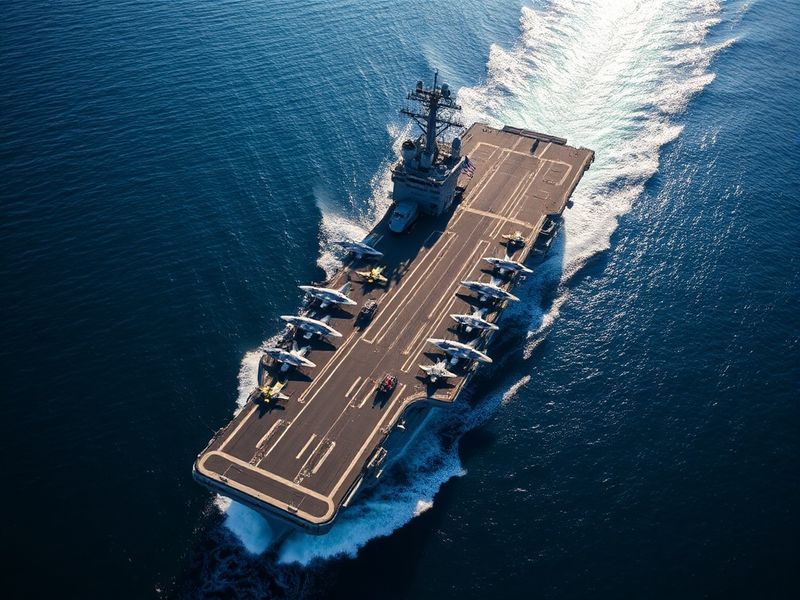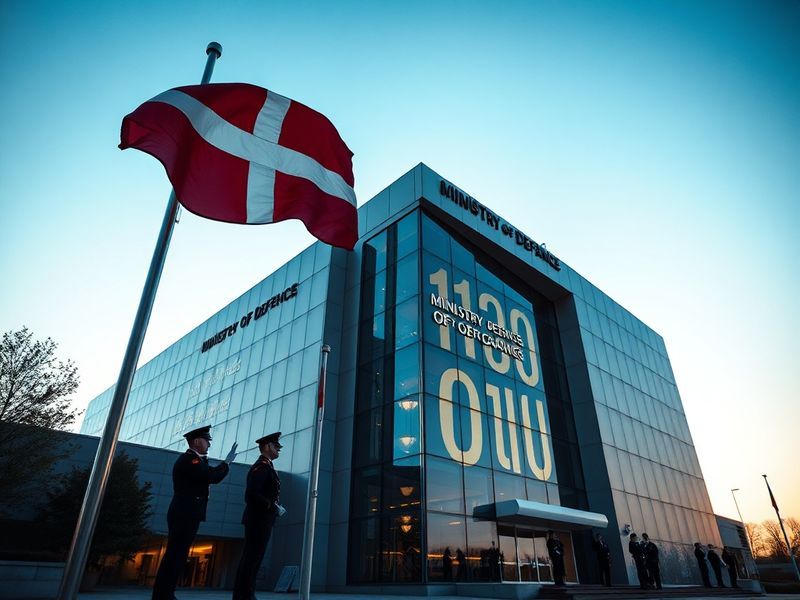
The Ministry of Defence (MoD) serves as the backbone of national security, shaping military strategy, resource allocation, and international relations. While often associated with domestic policy, its reach extends far beyond borders, influencing global stability and technological advancement. Understanding its role requires examining both its operational functions and its place in the broader geopolitical landscape.
Each nation structures its defence apparatus differently. Some countries centralize military command under a single ministry, while others distribute responsibilities across multiple agencies. The United Kingdom’s MoD, for example, oversees the British Armed Forces, intelligence coordination, and nuclear deterrence. Meanwhile, the United States splits defence and intelligence between the Department of Defence and agencies like the CIA. These variations reflect historical priorities, threat perceptions, and political philosophies.
Core Functions of a Ministry of Defence
A Ministry of Defence typically performs several key roles that extend beyond traditional warfare. While protecting national sovereignty remains its primary mandate, modern MoDs now engage in cybersecurity, space operations, and humanitarian missions. The following list outlines its core functions:
- Military Strategy and Planning: Developing doctrines for land, air, and naval forces, including recruitment, training, and deployment strategies.
- Resource Management: Allocating budgets for equipment, personnel salaries, and infrastructure while balancing fiscal constraints.
- Intelligence Coordination: Collaborating with civilian and military intelligence agencies to assess threats ranging from terrorism to state-sponsored espionage.
- International Alliances: Participating in NATO, the UN, and bilateral defence agreements to strengthen collective security.
- Technological Innovation: Investing in research and development for next-generation weaponry, drones, and AI-driven defence systems.
- Crisis Response: Leading disaster relief efforts, evacuations, and peacekeeping operations in coordination with civilian authorities.
The MoD’s ability to adapt these functions to evolving threats determines its effectiveness. During the Cold War, its focus was on nuclear deterrence and conventional warfare. Today, cyber warfare and climate-related security risks have reshaped its priorities. Nations like Japan and South Korea, for instance, have expanded their MoDs’ cyber divisions in response to North Korean and Chinese digital incursions.
Cultural and Political Influence
Beyond its operational duties, the Ministry of Defence shapes national identity and political discourse. Military parades, memorial services, and recruitment campaigns reinforce cultural narratives of patriotism and sacrifice. In authoritarian regimes, the MoD often serves as a tool for regime survival, suppressing dissent under the guise of national security. Conversely, in democratic societies, civilian oversight—such as parliamentary defence committees—ensures transparency and prevents militarization.
In countries with conscription, the MoD’s influence extends into social fabric. Israel’s mandatory military service, for example, embeds defence culture into education and public life. Meanwhile, nations like Germany and Canada, which rely on volunteer forces, emphasize professionalism over societal militarization. These differences highlight how defence policies can reflect broader cultural values.
Media representation further amplifies the MoD’s cultural footprint. Films, documentaries, and video games often glorify military life, while investigative journalism exposes failures or scandals within the institution. The 2010 WikiLeaks revelations on U.S. military operations in Iraq and Afghanistan, for instance, sparked global debates on transparency and accountability in defence institutions.
Global Perspectives: Contrasting Approaches to Defence
Defence ministries operate within distinct geopolitical contexts, leading to diverse strategies. Below are three contrasting models:
- Sweden’s Total Defence Concept: Combines military preparedness with civilian resilience, training citizens in emergency response and cyber hygiene. This approach prioritizes societal cohesion over large-scale standing armies.
- Saudi Arabia’s Modernization Drive: Under Crown Prince Mohammed bin Salman, the MoD has pursued aggressive reforms, including the creation of a sovereign wealth fund to finance domestic arms production and reduce reliance on foreign suppliers like the U.S.
- Brazil’s Amazon Security Focus: With vast rainforest borders, Brazil’s MoD prioritizes environmental monitoring and indigenous partnerships to combat illegal mining and drug trafficking, treating ecological threats as security risks.
These models demonstrate how geography, resources, and political ideologies shape defence strategies. While some nations invest in high-tech weaponry, others focus on asymmetric warfare or soft power tactics like military diplomacy.
The rise of private military companies (PMCs) also complicates the MoD’s traditional role. Firms like Russia’s Wagner Group and the U.S.-based Academi operate outside direct governmental control, often blurring the lines between state and corporate power. This trend has prompted debates on accountability, with critics arguing that PMCs undermine democratic oversight of defence policies.
Challenges and Controversies
The Ministry of Defence faces persistent challenges that test its adaptability. Budget constraints often force difficult trade-offs between personnel, equipment, and modernization. The U.S. MoD, for instance, has grappled with cost overruns on projects like the F-35 fighter jet, which exceeded $1.7 trillion in development and procurement.
Ethical dilemmas further complicate its operations. The use of autonomous drones raises questions about accountability in lethal decisions, while surveillance programs—such as the U.K.’s Investigatory Powers Act—spark debates on privacy versus security. In 2021, France’s MoD faced backlash after deploying military forces to quell protests in overseas territories, highlighting the fine line between security and repression.
Climate change presents another existential challenge. Rising sea levels threaten naval bases, while extreme weather disrupts logistical operations. The Pentagon has acknowledged that global warming could exacerbate conflicts over resources, reshaping the MoD’s long-term priorities. Nations like the Netherlands have already begun adapting their defence infrastructure to rising waters, integrating climate resilience into military planning.
Public trust remains a critical issue. Scandals involving corruption, sexual assault in the ranks, or failed procurement projects can erode confidence in the MoD. In 2020, Australia’s Defence Department faced criticism over a $1 billion deal for poorly designed infantry fighting vehicles, leading to calls for greater oversight.
To address these challenges, many MoDs are turning to artificial intelligence and big data. Predictive analytics can forecast threats, optimize supply chains, and even assess soldier readiness. However, the reliance on algorithms introduces new risks, including biases in threat assessment and vulnerabilities to cyberattacks.
Conclusion: The Future of Defence Ministries
The Ministry of Defence stands at a crossroads, balancing traditional security imperatives with emerging global threats. Its evolution will depend on technological advancements, geopolitical shifts, and societal expectations. Nations that prioritize innovation, transparency, and adaptability will likely lead in maintaining both domestic stability and international influence.
For citizens, understanding the MoD’s role is essential—not just for holding governments accountable, but for recognizing how defence policies intersect with everyday life. From cybersecurity threats to climate resilience, the decisions made within these institutions resonate far beyond the battlefield.
As the world becomes more interconnected, the Ministry of Defence will need to redefine its purpose. Will it remain a bastion of national sovereignty, or will it embrace a more collaborative, global approach to security? The answer may well determine the stability of the 21st century.
For more insights into global defence strategies, explore our Politics and Technology sections.