Bordeaux and Toulouse, two of France’s most vibrant urban centers, offer contrasting yet equally compelling experiences. While both cities share a rich historical legacy and a thriving cultural scene, their differences in atmosphere, economy, and lifestyle make them uniquely appealing. Bordeaux, with its elegant 18th-century architecture and world-renowned wine industry, exudes sophistication and tradition. Toulouse, on the other hand, radiates youthful energy as a major aerospace hub, earning its nickname “La Ville Rose” for the pink-hued buildings that dominate its skyline.
These distinctions aren’t merely superficial—they shape the daily lives of residents and the trajectories of each city’s development. Bordeaux’s economy leans heavily on tourism, wine, and high-end services, while Toulouse thrives on innovation, technology, and higher education. Understanding these contrasts reveals not just the character of each city, but also the broader forces shaping urban France today.
The Urban Landscape: Architecture and Atmosphere
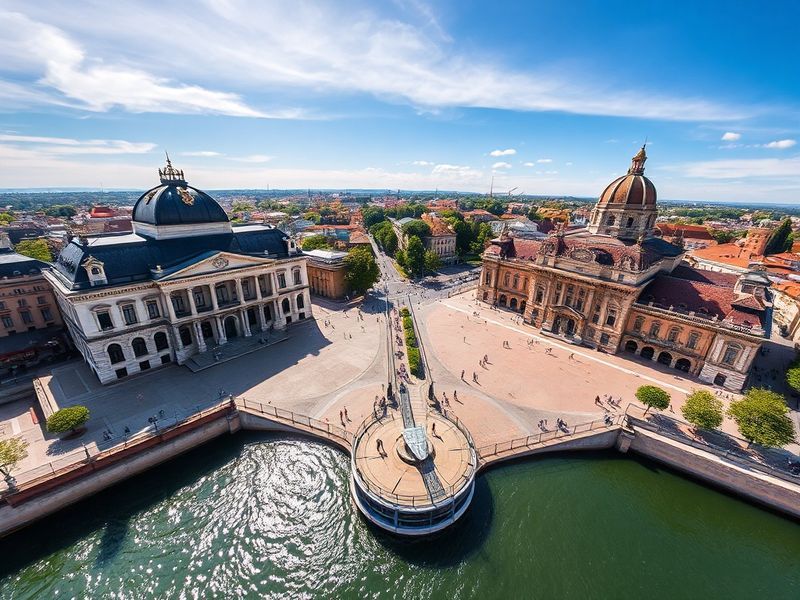
Bordeaux’s urban fabric is a testament to its 18th-century prosperity, particularly during the reign of Louis XV when the city underwent a dramatic transformation. The Place de la Bourse, the Grand Théâtre, and the reflective Miroir d’Eau (Water Mirror) are prime examples of the city’s neoclassical grandeur. The architecture here is symmetrical, polished, and designed to impress—a reflection of Bordeaux’s role as a gateway to the Atlantic trade and a center of Enlightenment thought.
Toulouse, by contrast, is a city of medieval charm and modern ambition. Its historic core, centered around the Capitole and the Basilica of Saint-Sernin, feels more organic and lived-in. The pink sandstone used in so many buildings—from the Capitole to the Canal du Midi bridges—gives the city a warm, cohesive identity. Unlike Bordeaux’s stately boulevards, Toulouse’s streets wind unpredictably, revealing hidden courtyards and lively markets around every corner.
“Bordeaux feels like a museum piece brought to life—every corner tells a story of wealth and refinement. Toulouse, meanwhile, feels like a city still being written, where history and progress collide in real time.”
— Local urban historian, speaking on condition of anonymity
Economic Engines: Wine, Aerospace, and Beyond
The economic foundations of Bordeaux and Toulouse couldn’t be more different. Bordeaux’s identity is inseparable from its wine industry. The city serves as the commercial heart of the Bordeaux wine region, home to over 10,000 châteaux and some of the most prestigious appellations in the world. The wine trade drives tourism, gastronomy, and high-end retail, shaping the city’s service-oriented economy. The Bordeaux Métropole actively markets itself as a luxury destination, with a focus on wine tourism, fine dining, and cultural events like the annual Vinexpo.
Toulouse, meanwhile, is the aerospace capital of Europe. Home to Airbus, CNES (France’s space agency), and numerous tech startups, the city’s economy is built on engineering, research, and innovation. The presence of major aerospace firms has created a dense ecosystem of suppliers, research labs, and engineering schools like ISAE-SUPAERO and INSA Toulouse. This industrial base attracts a young, highly skilled workforce, giving Toulouse one of France’s youngest populations.
The contrast extends to the labor market. Bordeaux’s economy supports a high proportion of hospitality and retail workers, while Toulouse’s job market is dominated by engineers, scientists, and tech professionals. This difference influences everything from housing prices to nightlife—Bordeaux’s city center is quieter in the evenings, while Toulouse buzzes with the energy of a university town.
Key Differences at a Glance
- Primary Industry: Bordeaux = Wine & Tourism; Toulouse = Aerospace & Technology
- Architectural Style: Bordeaux = Neoclassical grandeur; Toulouse = Pink sandstone medieval blend
- Demographic Profile: Bordeaux = Older, affluent residents; Toulouse = Younger, student-heavy population
- Cultural Focus: Bordeaux = Fine arts & heritage; Toulouse = Innovation & contemporary arts
- Transport Hub Status: Bordeaux = High-speed rail gateway to Spain; Toulouse = Major European aerospace transit point
Cultural Life: Tradition vs. Innovation
Bordeaux’s cultural scene is rooted in its historical prestige. The city boasts the Grand Théâtre, one of France’s oldest opera houses, and the Musée des Beaux-Arts, which houses works by Titian, Rubens, and Delacroix. The annual Festival International des Arts de Bordeaux (FIAB) draws international performers, but the programming often leans toward classical and jazz. Bordeaux’s cultural calendar is elegant, curated, and designed to appeal to an older, more affluent audience.
Toulouse, by contrast, embraces a more eclectic and experimental approach. The city is home to the highly regarded Théâtre du Capitole, but it also hosts cutting-edge festivals like Rio Loco, which celebrates world music, and Toulouse les Orgues, a major international organ music festival with avant-garde performances. The city’s vibrant street art scene and numerous tech-driven cultural projects reflect its youthful, innovative spirit. Even the city’s museums, like the Cité de l’Espace (a space-themed museum popular with families) and the Musée des Augustins (fine arts), blend education with interactive experiences.
This cultural divide extends to nightlife. Bordeaux’s bars and clubs cater to a more refined crowd, with wine bars and cocktail lounges dominating the scene. Toulouse, meanwhile, has a thriving underground music scene, with venues like Le Bikini hosting electronic and rock acts. The city’s student population ensures that its nightlife remains diverse and affordable.
Broader Implications: What These Cities Tell Us About Modern France
The differences between Bordeaux and Toulouse highlight a broader trend in France: the rise of polycentric urban development. While Paris remains the undisputed cultural and economic center, cities like Bordeaux and Toulouse are increasingly positioning themselves as regional powerhouses. This decentralization is encouraged by national policies aimed at reducing Parisian dominance and promoting balanced growth across France’s territories.
Bordeaux’s strategy focuses on heritage-led regeneration. The city’s €1.2 billion investment in urban renewal, including the restoration of its historic center and the creation of the Euratlantique district, has transformed it into a model for European cultural tourism. This approach has paid off—Bordeaux now ranks among France’s top tourist destinations, with over 9 million visitors annually. However, critics argue that such a strategy risks making the city feel like a theme park for wealthy visitors, pushing out long-term residents due to rising rents.
Toulouse, on the other hand, is betting on innovation-led growth. The city’s aerospace sector is a cornerstone of France’s industrial strategy, particularly in high-tech and green aviation. With the development of the Toulouse Aerospace Valley and ongoing investments in AI and robotics, Toulouse is positioning itself as a European hub for tech-driven industries. This growth has attracted international talent and fostered a dynamic startup ecosystem. Yet, challenges remain, including housing shortages and the need to integrate a growing immigrant population into the workforce.
These contrasting models—heritage versus innovation—reflect a national debate about the future of urban France. Should cities preserve their past to attract tourism, or should they embrace the future to drive economic growth? Bordeaux and Toulouse offer two compelling answers, each with its own merits and trade-offs.
Conclusion: Two Cities, One Nation
Bordeaux and Toulouse are not rivals, but complementary facets of a diverse and evolving France. Bordeaux represents the allure of tradition, refinement, and timeless beauty. Toulouse embodies the dynamism of progress, innovation, and youthful energy. Together, they illustrate the richness of French urban life beyond Paris.
For travelers, the choice between the two depends on what they seek. Those drawn to elegance, history, and gastronomy will find Bordeaux irresistible. Those looking for a vibrant, forward-thinking city with a thriving tech scene and a lively cultural landscape will fall in love with Toulouse. In an era where many cities are becoming increasingly homogenized, Bordeaux and Toulouse stand out as beacons of distinct identity—reminding us that diversity is France’s greatest strength.
As both cities continue to evolve, their stories will remain intertwined with the broader narrative of modern France—a nation that values its past even as it reaches for the future.
Whether you’re sipping a glass of Saint-Émilion in Bordeaux or watching a rocket launch at the Cité de l’Espace in Toulouse, one thing is clear: France’s urban soul is as varied as it is vibrant.
Explore More
Interested in travel or culture? Check out our curated guides:
- Travel Guides – Discover more European destinations with insider tips.
- Culture – Dive into the arts, history, and lifestyle stories shaping modern Europe.