El Niño Explained: Causes, Global Effects, and Future Outlook
“`html
Understanding El Niño: Patterns, Impacts, and Global Consequences
El Niño represents one of Earth’s most influential climate phenomena, reshaping weather patterns across the planet with consequences that ripple through economies, ecosystems, and daily life. While often discussed in terms of short-term weather events, its influence extends far beyond immediate forecasts, embedding itself into long-term climate trends and human systems.
The term, which translates from Spanish as “the little boy” or “Christ child,” originated among Peruvian fishermen in the 17th century. They noticed unusually warm ocean currents appearing around Christmas, disrupting their fishing seasons. Today, we understand El Niño as part of a larger climate cycle known as the El Niño-Southern Oscillation (ENSO), which alternates between warm (El Niño), cool (La Niña), and neutral phases.
How El Niño Develops and Operates
At its core, El Niño is driven by changes in ocean temperatures and wind patterns in the equatorial Pacific. Normally, trade winds blow from east to west across the Pacific, pushing warm surface water toward Asia and allowing cooler water to rise near South America. This process, known as upwelling, supports rich marine ecosystems and stable weather patterns.
During El Niño, these trade winds weaken or even reverse direction. Warm water that typically pools in the western Pacific sloshes back eastward, suppressing upwelling and raising sea surface temperatures across the central and eastern Pacific. This shift triggers a cascade of atmospheric changes, altering jet stream positions and disrupting global weather systems.
Key Phases of ENSO
- El Niño: Warm phase, characterized by weakened trade winds and elevated Pacific temperatures.
- La Niña: Cool phase, marked by strengthened trade winds and cooler-than-average Pacific waters.
- Neutral: Intermediate phase where conditions hover near average, with neither warm nor cool anomalies dominant.
The shift from neutral to El Niño conditions typically begins in spring, intensifies through summer, and peaks during winter in the Northern Hemisphere. Forecasters use a variety of tools—including satellite data, ocean buoys, and climate models—to monitor sea surface temperatures, wind speeds, and atmospheric pressure patterns across the Pacific.
Global Weather Disruptions and Regional Impacts
El Niño’s reach is global. While its strongest effects are felt in the tropical Pacific, its influence extends to nearly every continent through atmospheric teleconnections—large-scale patterns that link weather in distant regions. The intensity and location of warming in the Pacific determine which areas experience drought, flooding, or extreme storms.
In North America, El Niño often brings wetter-than-average conditions to the southern United States, with increased rainfall from California to the Gulf Coast. Conversely, the Pacific Northwest tends to experience milder winters with reduced snowpack, impacting water supplies and winter recreation. In the Atlantic, El Niño suppresses hurricane activity by increasing wind shear that tears apart developing storms.
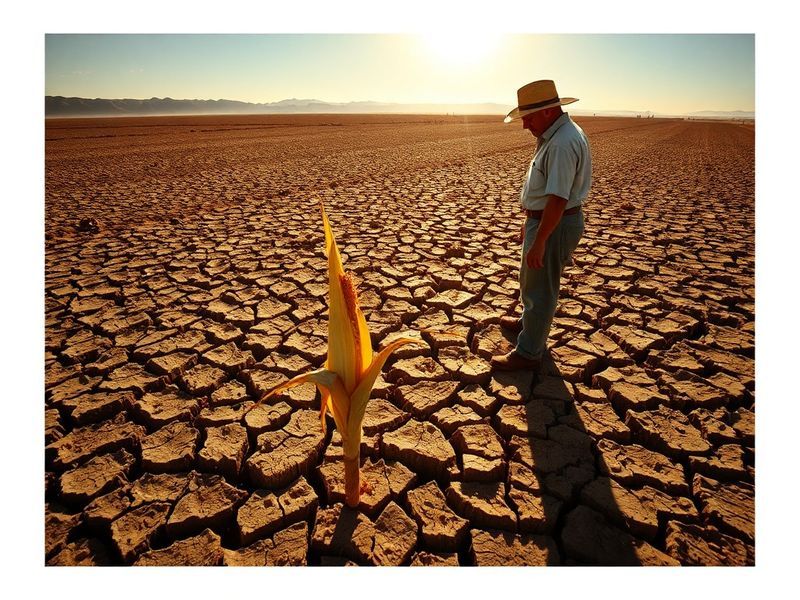
Across the Pacific, Indonesia and Australia frequently face severe droughts and wildfires during El Niño events. The 2015–2016 episode, one of the strongest on record, contributed to devastating fires in Indonesia that blanketed Southeast Asia in toxic haze for months. Meanwhile, parts of South America—especially Peru and Ecuador—endure heavy rainfall and flooding, while southern Africa and northern Brazil suffer from reduced precipitation.
Economic and Agricultural Consequences
These weather anomalies translate directly into economic costs. Agriculture, a sector deeply sensitive to climate, bears the brunt. Crop yields in drought-prone regions fall, while excessive rainfall can rot harvests or delay planting. Global commodity markets react accordingly, with prices for coffee, cocoa, wheat, and soybeans fluctuating in response to El Niño forecasts.
Energy demand also shifts. Warmer winters in northern latitudes reduce heating requirements, while cooler summers in some regions lower electricity consumption for cooling. Hydropower generation can surge in wet regions but plummet where droughts persist, forcing reliance on fossil fuels. Insurance industries monitor El Niño closely, as the frequency of extreme weather events influences claim rates and premiums.
The Broader Climate Connection
El Niño is not an isolated event. It interacts with broader climate systems, including the Pacific Decadal Oscillation and human-induced climate change. While El Niño events are natural, rising global temperatures may intensify their impacts. Warmer air holds more moisture, potentially amplifying rainfall during El Niño-influenced storms. Similarly, warmer oceans can fuel more intense hurricanes in the Pacific, even as El Niño suppresses Atlantic activity.
Research suggests that climate change may also alter the frequency and strength of El Niño events. Some models predict more frequent “super El Niños” under continued warming, though the scientific community remains divided on the long-term trend. Regardless, the combination of natural variability and human influence creates a more volatile climate backdrop.
Preparation and Adaptation: Can We Respond?
While El Niño cannot be stopped, its impacts can be managed through early warning systems and adaptive strategies. National meteorological agencies, including the U.S. National Oceanic and Atmospheric Administration (NOAA) and Australia’s Bureau of Meteorology, issue seasonal outlooks months in advance. These forecasts help governments, farmers, and businesses prepare for expected conditions.
In agriculture, drought-resistant crop varieties and improved irrigation techniques can mitigate losses. Water resource managers adjust reservoir levels and implement conservation measures during forecasted dry periods. Public health systems prepare for heatwaves, vector-borne diseases, and air quality issues linked to wildfires.
International cooperation plays a vital role. Organizations like the World Meteorological Organization coordinate data sharing and forecasting efforts across borders. During the 2015–2016 El Niño, humanitarian agencies pre-positioned aid in vulnerable regions, reducing response times during disasters.
What Individuals Can Do
- Stay informed: Follow updates from trusted climate and weather sources, especially during transition seasons.
- Prepare your home: Ensure drainage systems are clear to prevent flooding, and consider backup power sources in storm-prone areas.
- Adjust consumption: Support sustainable agriculture by choosing products from regions less likely to be affected by El Niño-related shortages.
- Reduce your footprint: Lowering carbon emissions helps curb the long-term intensification of climate patterns that may worsen El Niño impacts.
El Niño reminds us that Earth’s climate operates as an interconnected system. A shift in ocean currents thousands of miles away can influence whether your morning commute is delayed by rain or whether a farmer in Kenya can harvest enough maize to feed a village. Recognizing this global linkage is essential—not only for scientists and policymakers, but for every person whose life is touched by the weather.
As climate patterns evolve, understanding El Niño is not just about predicting the next storm. It’s about building resilience, fostering cooperation, and preparing for a future where natural cycles and human influence together shape the world we inhabit.