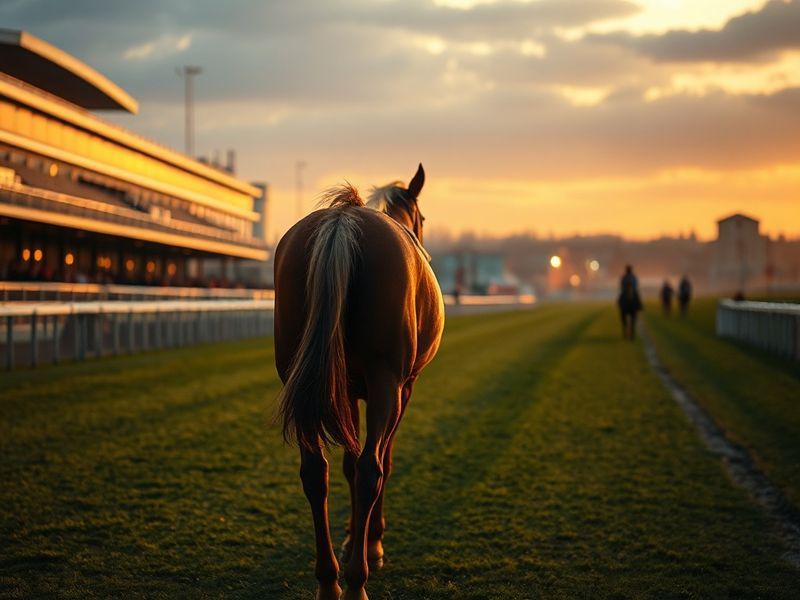
The withdrawal of Gold Dancer from the 2024 Aintree Grand National has sent a jolt through the horse racing community and betting markets. Trainer Nigel Twiston-Davies confirmed the decision just days before the race, citing concerns over the horse’s fitness following a training gallop.
Gold Dancer, a 2023 Cheltenham Festival winner, had been installed as one of the favorites for the prestigious steeplechase. His absence reshuffles the betting odds and forces punters to reconsider their strategies. The move has also sparked discussions about the pressures of elite-level horse racing and the delicate balance between ambition and welfare.
Why Gold Dancer’s Exit Matters
Gold Dancer’s participation in the Grand National was highly anticipated. His profile had grown significantly after his victory at Cheltenham, where he outlasted seasoned competitors in a thrilling finish. The decision to withdraw him reflects a growing trend in horse racing: prioritizing long-term health over short-term glory.
Trainers and owners face increasing scrutiny over racehorse welfare. The Grand National, known for its demanding course and high attrition rate, demands peak physical condition from every competitor. Gold Dancer’s withdrawal underscores the risks involved and the tough choices trainers must make when balancing performance and care.
A Shift in Betting Dynamics
The removal of a top-tier contender like Gold Dancer inevitably shifts the betting landscape. Bookmakers have adjusted their odds, elevating the chances of other competitors. This creates opportunities for lesser-known horses and jockeys to step into the spotlight.
Key implications include:
- Redistribution of odds: Favorites’ prices lengthen, while underdogs gain traction.
- Increased volatility: Bettors must reassess their selections, potentially leading to unexpected outcomes.
- Media attention: The withdrawal fuels narratives around racehorse welfare and trainer accountability.
- Market reactions: Sponsors and broadcasters may recalibrate their coverage based on the new competitive field.
The Broader Conversation Around Horse Racing
Gold Dancer’s case reflects broader debates within the horse racing industry. Animal welfare advocates argue that the sport must evolve to reduce risks to horses. Meanwhile, traditionalists emphasize the excitement and tradition of events like the Grand National, which draws millions of viewers.
Recent years have seen increased pressure on racing authorities to implement stricter safety measures. Changes to course obstacles and mandatory veterinary checks before major races are steps in this direction. However, critics argue that more must be done to ensure horses are not pushed beyond their limits.
The decision to withdraw Gold Dancer also highlights the role of trainers as gatekeepers of horse welfare. Trainers like Twiston-Davies operate under immense pressure to deliver results while maintaining the health of their horses. This dual responsibility often places them at the center of ethical dilemmas.
What’s Next for the Grand National?
The Grand National remains one of the most prestigious events in horse racing, but its future is increasingly intertwined with discussions about safety and ethics. As the sport navigates these challenges, events like Gold Dancer’s withdrawal serve as critical inflection points.
For bettors, this year’s race presents a fresh set of variables. Without Gold Dancer in the field, the competition is wide open, and the potential for upsets is higher than ever. Meanwhile, racing authorities will likely face renewed calls to tighten regulations and prioritize horse welfare above all else.
The Grand National’s legacy is one of both thrilling competition and controversy. As the sport evolves, the balance between tradition and progress will continue to shape its future.
Conclusion
Gold Dancer’s withdrawal from the 2024 Aintree Grand National is more than a setback for his connections—it is a reminder of the complexities and responsibilities inherent in elite horse racing. The decision forces the industry to confront questions about welfare, ethics, and the future of one of its most iconic events.
For now, the racing world will watch as the Grand National unfolds without one of its most talked-about contenders. The outcome may be unpredictable, but the conversations it sparks are sure to leave a lasting impact.
As always, the Grand National remains a test of skill, strategy, and stamina—for both horses and humans alike.
For more insights into the world of horse racing and betting, explore our Sports and Analysis sections.