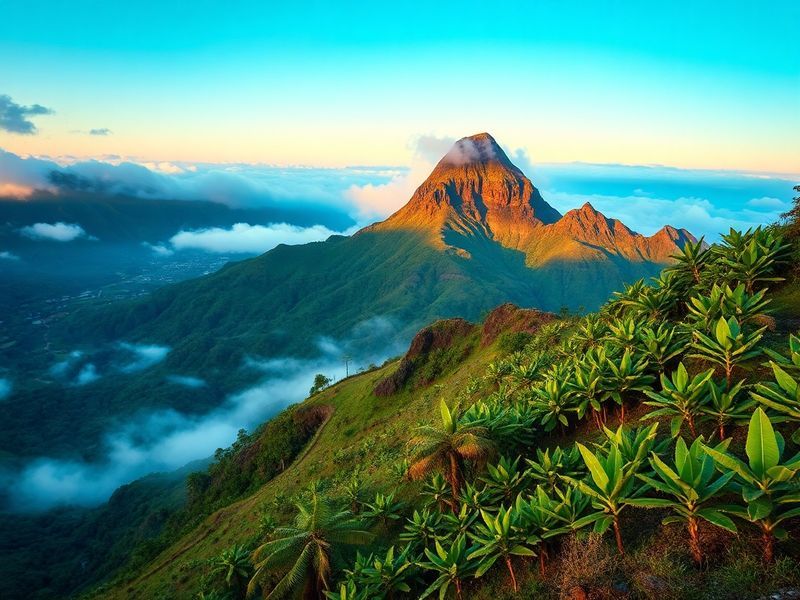
Tucked away in the Atlantic Ocean, 100 kilometers west of mainland Africa, lies La Gomera—a rugged, volcanic island that feels worlds away from the modern world despite its proximity to bustling Tenerife. Often overshadowed by its larger Canary Island neighbors, La Gomera offers an unspoiled retreat where ancient traditions thrive alongside dramatic landscapes. From its towering cliffs and lush laurel forests to its whitewashed villages and coastal fishing hamlets, the island invites travelers to slow down and savor the simple pleasures of island life.
The island’s isolation has preserved a unique cultural identity. Unlike the more tourist-heavy islands of Gran Canaria or Lanzarote, La Gomera remains deeply connected to its past. Its people still speak Silbo Gomero, a whistled language recognized by UNESCO, which was historically used to communicate across the island’s deep ravines. This linguistic treasure is just one example of how La Gomera has maintained its heritage while offering visitors an authentic Canarian experience.
The Natural Wonders of La Gomera
La Gomera’s landscape is a study in contrasts. The island is a UNESCO Biosphere Reserve, home to some of the most biodiverse ecosystems in the Canary Islands. The Garajonay National Park, a crown jewel of the island, covers nearly 10% of La Gomera’s surface area. Here, visitors can wander through ancient laurisilva forests, where moss-draped trees and ferns create a prehistoric atmosphere. The park’s misty trails lead to viewpoints like Alto de Garajonay, where panoramic vistas stretch across the island and out to the ocean.
Beyond the park, La Gomera’s coastline is equally striking. The Los Órganos formation, a series of vertical basalt columns rising from the sea, is one of the island’s most photographed landmarks. Accessible only by boat, these natural pipes create a hauntingly beautiful sight, especially at sunset. For those who prefer terra firma, the Valle Gran Rey valley offers a lush, subtropical escape with banana plantations, palm groves, and black sand beaches.
The island’s topography is defined by deep ravines, or barrancos, which carve through the volcanic terrain. The Barranco del Cabrito is a popular hiking route, leading adventurers through a dramatic canyon filled with endemic plants and sheer cliffs. Meanwhile, the Roque de Agando, a towering rock formation, stands as a silent sentinel over the island’s central plateau. These natural features not only provide breathtaking scenery but also serve as a reminder of La Gomera’s volcanic origins.
Cultural Traditions and Local Life
La Gomera’s cultural richness is as compelling as its landscapes. The island’s capital, San Sebastián de La Gomera, is a charming town where whitewashed buildings line cobblestone streets. The Torre del Conde, a 15th-century fortress, stands as a testament to the island’s strategic importance during the Age of Exploration. Nearby, the Hermitage of Our Lady of Guadalupe houses a revered statue of the Virgin Mary, brought to the island by Spanish conquistadors.
Music and dance are integral to La Gomera’s cultural identity. The island is famous for its folía, a traditional Canarian dance performed during festivals. Instruments like the timple, a small guitar-like instrument, accompany these lively performances. One of the best places to experience this is during the Festival of the Virgin of Guadalupe, held every September, when the island comes alive with music, processions, and local crafts.
The island’s culinary scene is another highlight. La Gomera’s cuisine reflects its agricultural roots, with dishes like papas arrugadas (wrinkled potatoes) served with mojo sauce, and fresh seafood caught daily by local fishermen. The Mercado de Abastos in San Sebastián is a great place to sample these flavors, offering a mix of local produce, cheeses, and wines. For a true taste of tradition, visitors should try gofio, a toasted cornmeal used in both sweet and savory dishes.
Adventure and Exploration on La Gomera
For outdoor enthusiasts, La Gomera is a playground of adventure. Hiking is the island’s most popular activity, with trails catering to all levels of experience. The Camino de los Órganos is a moderate hike that takes walkers along cliff edges with stunning ocean views, while the Sendero de la Lomada de Tirajana offers a more challenging trek through pine forests and volcanic rock formations. The island’s GR-131, a long-distance hiking route, connects many of its most scenic spots and is a favorite among backpackers.
Water activities are also abundant. The island’s clear waters are ideal for snorkeling, especially around Playa de Santiago, where volcanic rock formations create natural pools teeming with marine life. Kayaking is another popular option, with guided tours available for those looking to explore the coastline from the water. For a unique experience, visitors can take a boat tour to see dolphins and pilot whales in their natural habitat—a common sight in the waters surrounding La Gomera.
La Gomera is also a paradise for cyclists. The island’s hilly terrain and scenic routes attract road cyclists from around the world. The Mirador de Abrante, a glass-bottomed viewpoint, offers cyclists a chance to rest and take in the breathtaking views of the coastline below. Meanwhile, the Vallehermoso area is known for its challenging climbs and sweeping descents, making it a favorite among serious riders.
Why La Gomera Stands Out Among the Canary Islands
In a region dominated by mass tourism, La Gomera remains a hidden gem. Its slower pace of life, preserved traditions, and untouched landscapes set it apart from its neighbors. Unlike Tenerife or Gran Canaria, where resorts and theme parks dominate, La Gomera offers a more intimate and authentic Canarian experience. The island’s compact size—just 370 square kilometers—makes it easy to explore, whether by car, bus, or on foot.
One of the island’s greatest strengths is its commitment to sustainable tourism. Local businesses prioritize eco-friendly practices, from solar-powered accommodations to locally sourced restaurants. The La Gomera Biosphere Reserve initiative ensures that tourism development respects the island’s natural and cultural heritage. This approach not only benefits the environment but also provides visitors with a more meaningful and respectful travel experience.
Another reason La Gomera stands out is its accessibility. While the island has no airport, it is easily reached by ferry from Tenerife’s Travel ports, with crossings taking just 50 minutes. This makes it an ideal day trip or a longer stay for those looking to escape the crowds. The ferry ride itself is an experience, offering stunning views of both La Gomera’s coastline and Mount Teide on Tenerife.
For those seeking a deeper connection to nature and culture, La Gomera is an unbeatable destination. Whether you’re hiking through ancient forests, sampling local cuisine, or simply enjoying the island’s laid-back vibe, La Gomera leaves a lasting impression. It’s a place where time seems to stand still, allowing visitors to reconnect with the essence of the Canary Islands.
A Final Thought: Why La Gomera Should Be on Your Travel List
La Gomera is more than just a stopover between Tenerife and other Canary Islands—it’s a destination in its own right. Its unique blend of natural beauty, cultural richness, and adventure opportunities make it a perfect getaway for travelers looking to experience the authentic Canary Islands. Whether you’re a hiker, a foodie, a history buff, or simply someone in search of tranquility, La Gomera delivers.
So, if you’re planning a trip to the Canary Islands, consider spending a few days on La Gomera. You won’t find the crowds or commercialization of its larger neighbors, but you will find an island that feels both timeless and utterly real. It’s a place where the past and present coexist harmoniously, and where every corner tells a story. La Gomera isn’t just a destination—it’s an experience worth savoring.
Explore more travel destinations on Dave’s Locker.