Pascua 2026: A Global Celebration of Renewal and Cultural Identity
The year 2026 marks a significant moment for communities worldwide as Pascua, a festival deeply rooted in indigenous traditions, gains unprecedented global attention. While Pascua is most commonly associated with Easter, the term also refers to indigenous celebrations in Latin America, particularly in Chile and Bolivia, where it carries spiritual and cultural weight. As globalization continues to shape cultural narratives, Pascua 2026 is poised to become a symbol of resilience, heritage, and cross-cultural exchange.
The festival’s dual identity—both as a Christian observance and an indigenous celebration—highlights the complex layers of tradition that define modern Latin American culture. Unlike commercialized holidays, Pascua retains its authentic roots, offering a rare glimpse into the enduring power of ancestral customs. This duality is what makes Pascua 2026 particularly fascinating for anthropologists, historians, and travelers alike.
The Indigenous Roots of Pascua: More Than Just a Holiday
In the Andean regions, Pascua is not merely a religious event but a celebration of the earth’s renewal. The cultural significance of Pascua in indigenous communities dates back centuries, blending pre-Columbian traditions with Catholic influences introduced during colonization. The festival typically coincides with the spring equinox, symbolizing rebirth and the start of a new agricultural cycle.
One of the most striking aspects of Pascua is its communal nature. Unlike Western holidays that often emphasize individual celebration, Pascua is a collective experience. Families gather for days of music, dance, and rituals that honor both spiritual and agricultural cycles. The use of traditional instruments like the zampoña (pan flute) and charango (a small Andean string instrument) creates an atmosphere of unity and continuity with the past.
The 2026 observance is expected to draw even larger crowds due to increased digital connectivity. Social media platforms, particularly TikTok and Instagram, have already begun showcasing Pascua celebrations, with hashtags like #PascuaAndina and #RenacerAncestral gaining traction. This digital exposure is introducing Pascua to younger generations who may not have previously engaged with indigenous traditions.
A Global Perspective: How Pascua Is Reshaping Cultural Narratives
While Pascua remains most prominent in Latin America, its influence is spreading to diaspora communities in the United States, Europe, and beyond. Cities with large Latin American populations, such as Los Angeles, New York, and Barcelona, are hosting their own Pascua festivals. These events often feature a mix of traditional Andean music, contemporary Latin pop, and fusion cuisine, reflecting the evolving nature of cultural exchange.
In Europe, Pascua is being embraced by non-Latin audiences as well. Music festivals in Spain and Portugal have begun incorporating Andean rhythms into their lineups, while art exhibitions in Berlin and Paris are exploring the visual symbolism of Pascua. This cross-pollination of cultures is not without controversy, however. Some purists argue that commercializing Pascua dilutes its sacred meaning, while others see it as an opportunity to preserve and share indigenous heritage on a global scale.
The 2026 observance is particularly significant because it follows a period of heightened cultural awareness. Movements like #IndigenousLivesMatter and the global reckoning with colonial legacies have amplified calls for the recognition of indigenous traditions. Pascua, with its deep ties to Andean cosmology, has become a focal point for these conversations. Organizations such as the United Nations Permanent Forum on Indigenous Issues have highlighted Pascua as an example of cultural resilience in the face of globalization.
Travel and Tourism: The Pascua 2026 Experience
For travelers seeking authentic cultural experiences, Pascua 2026 presents a unique opportunity. The most immersive celebrations take place in the highland regions of Chile and Bolivia, where visitors can participate in traditional rituals, sample indigenous foods like api (a purple corn drink) and tamales, and witness the breathtaking natural landscapes that inspire the festival’s symbolism.
Here are some key destinations and experiences to consider:
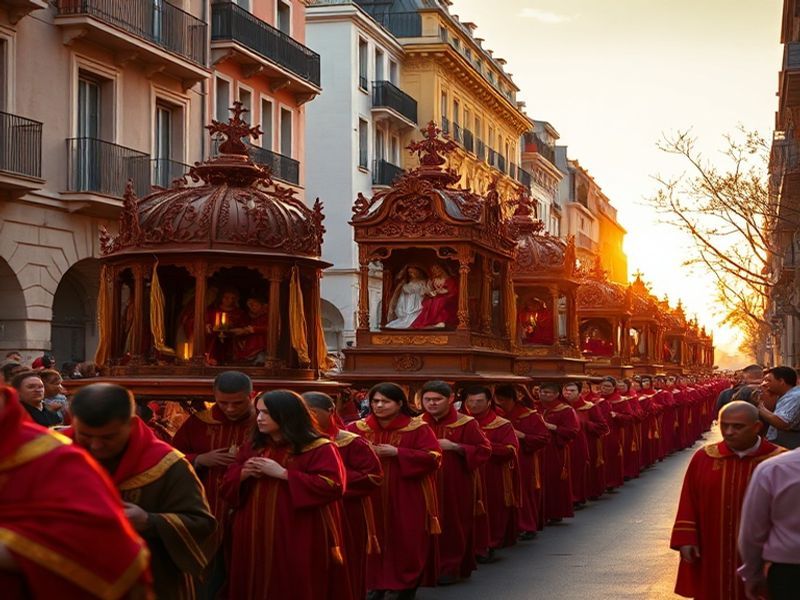
- La Tirana, Chile: Known as the “Capital of the Chilean Folklore,” La Tirana hosts one of the largest Pascua celebrations in the country. The festival features colorful parades, religious processions, and performances by some of Chile’s most celebrated folk groups.
- Oruro, Bolivia: The Oruro Carnival, which overlaps with Pascua, is a UNESCO-recognized masterpiece of the oral and intangible heritage of humanity. The festival’s Diablada dance, performed by thousands in elaborate costumes, is a mesmerizing display of Andean syncretism.
- Puno, Peru: On the shores of Lake Titicaca, Puno’s Pascua celebrations are deeply tied to the lake’s mythology. Visitors can take part in boat processions and offerings to the Pachamama (Earth Mother), a central figure in Andean spirituality.
- Santiago, Chile: Urban centers like Santiago are blending traditional Pascua elements with modern celebrations. Rooftop parties featuring Andean DJs and fusion food stalls offer a contemporary take on the festival.
For those planning to attend, it’s important to approach Pascua with respect and cultural sensitivity. Many of the rituals are sacred to indigenous communities, and visitors are encouraged to participate as observers or, when invited, as humble participants. The rise of “cultural tourism” has led to debates about how to engage with traditions without exploiting them—a conversation that Pascua 2026 brings to the forefront.
The Future of Pascua: Preservation in a Changing World
As Pascua 2026 approaches, the festival stands at a crossroads between preservation and adaptation. On one hand, there is a growing effort to document and protect indigenous traditions through initiatives like the Education for All program, which incorporates Pascua into school curricula. On the other hand, the festival’s increasing visibility risks reducing its spiritual depth to a mere spectacle.
One promising trend is the collaboration between indigenous leaders and digital creators. Platforms like YouTube and Twitch are hosting live streams of Pascua rituals, allowing global audiences to witness the festival in real time. These digital bridges help maintain the festival’s authenticity while expanding its reach. However, concerns remain about the commercialization of Pascua, particularly in the form of branded merchandise and corporate sponsorships.
The next few years will be critical in shaping how Pascua is perceived and celebrated. Will it remain a deeply rooted indigenous tradition, or will it evolve into a hybrid cultural phenomenon? The answer may lie in the balance between respect for the past and openness to the future. As we look toward 2026, Pascua offers a powerful reminder of the enduring human need for connection—to each other, to nature, and to the stories that define us.
For those interested in exploring other cultural celebrations, Travel enthusiasts might also enjoy reading about the lesser-known festivals that dot the globe, each offering a unique lens into the world’s diverse heritage.