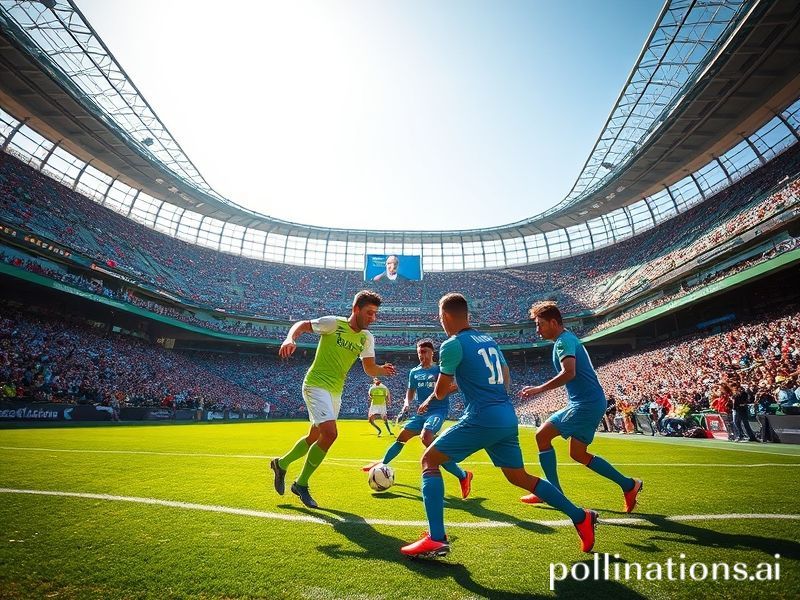
Women’s football has undergone a remarkable transformation in Spain over the past decade, and Real Madrid’s women’s team has played a pivotal role in that evolution. What began as a modest project has grown into a competitive force, capturing attention not only for its on-field performances but also for its role in reshaping perceptions of women’s sports in the country. The team’s journey reflects broader trends in Spanish football, where investment, visibility, and ambition are finally aligning to create sustainable growth.
The Rise of Real Madrid Femenino
Founded in 2014, Real Madrid Femenino started as part of the club’s strategic expansion into women’s football. Initially competing in the Segunda División, the team quickly ascended, earning promotion to the Primera División in 2020. This milestone was more than just a promotion—it marked a turning point for women’s football in Spain. The move signaled Real Madrid’s commitment to building a competitive women’s team, aligning with the club’s global reputation while also addressing a long-standing gap in Spanish football infrastructure.
The team’s first season in the Primera División in 2020-21 was challenging, as expected for a newly promoted side. However, the club’s investment in recruitment and infrastructure began to pay off. By the 2022-23 season, Real Madrid Femenino had established itself as a consistent top-half finisher, even challenging for European qualification spots. Their performances have not only earned them respect but have also drawn larger crowds to stadiums like the Estadio Alfredo Di Stéfano, where women’s matches now regularly draw thousands of fans.
Key Factors Behind the Team’s Development
The progress of Real Madrid Femenino can be attributed to several key factors:
- Club Investment: Real Madrid has allocated resources to coaching staff, facilities, and player recruitment, ensuring the women’s team operates with professional standards comparable to the men’s side.
- Youth Academy Integration: The club has integrated its women’s youth academy with the men’s system, fostering talent development from an early age.
- Increased Visibility: Broadcast deals and social media promotion have amplified the team’s reach, making their matches more accessible to fans.
- Competitive Ambitions: The club’s leadership has set clear goals, including domestic league contention and European competition breakthroughs.
The Broader Impact on Spanish Women’s Football
Real Madrid Femenino’s rise is part of a larger shift in Spanish football. The success of teams like FC Barcelona Femení, which won the UEFA Women’s Champions League in 2021 and 2023, has raised the profile of women’s football across the country. However, Real Madrid’s involvement has added another layer of credibility. The club’s global brand and financial power have brought attention to a sport that has historically been underfunded and underrepresented in Spain.
This growing interest is not just about competition. It’s about changing cultural perceptions. For decades, women’s football in Spain struggled for recognition, often treated as an afterthought compared to men’s football. Today, initiatives like the Sports section coverage on Dave’s Locker highlight how women’s football is gaining traction as a standalone spectacle.
Challenges and Opportunities Ahead
Despite progress, challenges remain. Women’s football in Spain still faces disparities in funding, media coverage, and fan engagement compared to men’s football. The average attendance for Primera División matches, while growing, pales in comparison to men’s La Liga games. Additionally, the pay gap between male and female players in Spain remains significant, reflecting broader inequalities in the sport.
Yet, the trajectory is positive. The Spanish Football Federation has introduced professional contracts for women’s players, a move that could level the playing field. Real Madrid Femenino’s continued investment and ambition could serve as a model for other clubs, proving that women’s football is not just a social responsibility but a viable and profitable enterprise.
What’s Next for Real Madrid Femenino?
The 2024-25 season promises further growth. With a core of experienced players supplemented by emerging talent, Real Madrid Femenino is poised to challenge for the league title and make a deep run in the UEFA Women’s Champions League. The club’s leadership has made it clear that the women’s team is not an afterthought but a cornerstone of Real Madrid’s future.
Beyond trophies, the team’s success could inspire a new generation of female footballers in Spain. The visibility of players like Esther González, Olga Carmona, and Claudia Zornoza—all key figures in the team—serves as proof that women’s football can thrive at the highest level. Their stories, combined with the team’s on-field achievements, are helping redefine what it means to be a professional footballer in Spain.
Conclusion: A New Era for Women’s Football
Real Madrid Femenino represents more than just a football team. It symbolizes the potential of women’s football in Spain when given the resources, visibility, and ambition it deserves. While challenges remain, the progress made in recent years is undeniable. As the team continues to grow, its impact will extend beyond the pitch, influencing cultural attitudes and shaping the future of football in Spain.
The journey of Real Madrid Femenino is a testament to the power of investment, ambition, and perseverance. In a landscape where women’s football is finally receiving the attention it has long deserved, Real Madrid’s women’s team stands at the forefront of change, proving that the beautiful game is equally beautiful in all its forms.