The Royal Society for the Protection of Birds (RSPB) has long been a cornerstone of wildlife conservation in the UK. Among its many initiatives, encouraging responsible bird feeding stands out as a simple yet impactful way individuals can contribute to local ecosystems. This practice isn’t just about putting out seeds—it’s about understanding the needs of different species, the timing of feeding, and the types of food that sustain avian populations through seasonal changes.
Bird feeding has evolved from a casual hobby into a science-backed conservation effort. The RSPB provides guidelines to ensure that backyard bird feeding supports wildlife rather than disrupts it. By following these recommendations, enthusiasts can create safe havens for birds while minimizing risks like disease transmission or unnatural dependency.
Why Feeding Birds Matters for Conservation
Bird populations face numerous challenges, from habitat loss to climate change. Urbanization reduces natural food sources, making supplementary feeding increasingly vital. According to the RSPB, gardens and urban green spaces now provide critical resources for species that would otherwise struggle to find food in winter or during breeding seasons.
Feeding birds also offers an opportunity for public engagement with conservation. When people observe bird behavior up close, they develop a deeper connection to nature. This awareness often translates into broader support for habitat protection and environmental policies.
For those looking to contribute beyond personal gardens, the RSPB’s Culture section highlights how community-driven initiatives—like school birdwatching programs—can amplify these efforts. Such projects not only aid birds but also foster environmental stewardship among younger generations.
The RSPB’s Core Guidelines for Responsible Feeding
The RSPB emphasizes several key principles to ensure bird feeding remains beneficial. Below are the organization’s top recommendations for safe and effective practices:
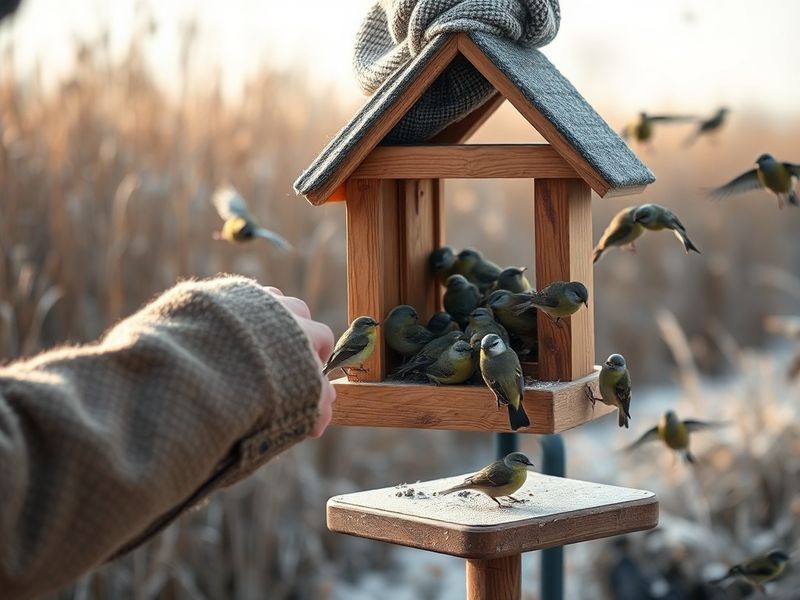
- Choose the right food: Different species prefer different diets. Sunflower hearts attract a wide variety of birds, while nyjer seeds are favored by finches. Avoid bread, which offers little nutritional value.
- Keep feeders clean: Moldy or contaminated food can spread disease. Regularly scrub feeders with hot water and mild disinfectant.
- Position feeders carefully: Place them at least 1.5 meters off the ground to deter predators like cats. Keep them away from windows to prevent collisions.
- Offer water alongside food: Birds need hydration, especially in freezing temperatures. A shallow birdbath with fresh water can be as valuable as a feeder.
- Feed year-round, but adjust seasonally: While winter is critical, summer feeding supports parent birds raising chicks. Use high-energy foods like mealworms in breeding season.
These guidelines reflect a balance between human intervention and natural bird behavior. The RSPB warns against overfeeding, which can lead to unnatural concentrations of birds in small areas, increasing disease risk. Instead, the focus should be on supplementing—not replacing—natural food sources.
Beyond the Backyard: Community and Policy Impact
The benefits of bird feeding extend beyond individual gardens. Local communities that adopt coordinated feeding programs can create “bird-friendly” zones that support migratory species. For example, the RSPB’s “Giving Nature a Home” campaign encourages neighborhoods to plant native shrubs alongside feeders, creating layered habitats that attract diverse species.
On a policy level, public interest in bird feeding has influenced land management practices. Urban planners increasingly incorporate green corridors and native plantings into development projects, partly due to demand from conservation-minded citizens. The RSPB’s advocacy work has been instrumental in pushing for policies that protect green spaces in cities.
For those interested in the intersection of policy and conservation, the News section of Dave’s Locker often covers environmental legislation with real-world impacts. Articles there explore how grassroots efforts—like bird feeding initiatives—can shape broader ecological policies.
The Broader Ecological Ripple Effect
Bird feeding doesn’t just help birds; it supports entire ecosystems. Many bird species act as seed dispersers or pest controllers. For instance, robins and blackbirds help manage insect populations, while thrushes spread seeds that regenerate woodlands. By sustaining these birds, feeders indirectly bolster plant and insect biodiversity.
There’s also an economic dimension. Birdwatching is a multi-million-pound industry in the UK, with enthusiasts spending on feeders, optics, and travel. The RSPB estimates that over 1.1 million people participate in birdwatching activities annually, contributing to local economies near nature reserves.
However, this interconnectedness comes with responsibilities. Over-reliance on supplementary feeding can alter bird behavior, making some species less adept at foraging naturally. The RSPB advises gradual reduction of feeders in spring to encourage birds to return to wild food sources.
Conclusion: Small Actions, Big Impact
Feeding birds through the RSPB’s framework is more than a pastime—it’s an act of conservation. When done correctly, it strengthens bird populations, educates communities, and even influences policy. The key lies in responsibility: understanding the needs of different species, maintaining clean and safe feeding practices, and recognizing the broader ecological roles birds play.
For those eager to take the next step, the RSPB offers resources like the Big Garden Birdwatch, where participants can contribute data that shapes national conservation strategies. Whether you’re a seasoned birder or a curious newcomer, responsible feeding is a tangible way to make a difference.
The birds in your garden aren’t just visitors; they’re part of a delicate web of life. By feeding them thoughtfully, you’re not just filling a feeder—you’re helping to sustain the rhythm of nature itself.