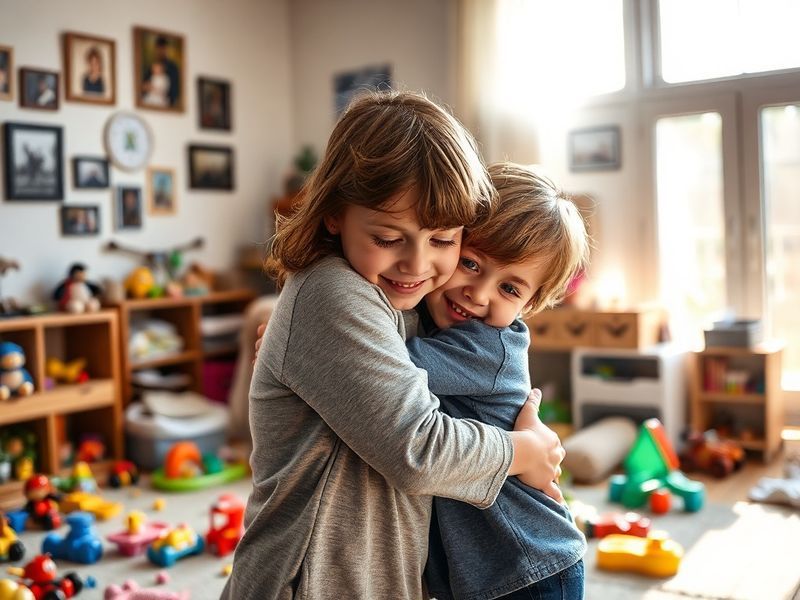
National Siblings Day on April 10th offers a chance to honor the unique relationships that shape our lives. While the holiday originated in the United States in 1995, its message about sibling bonds resonates worldwide. Families everywhere recognize these connections as foundational to personal identity and emotional resilience.
Sibling relationships vary dramatically across cultures, from the lifelong companionship found in some Asian traditions to the more independent bonds common in Western societies. This diversity makes National Siblings Day an opportunity to examine how different cultures value these relationships while celebrating their universal significance.
The Origins and Evolution of a Modern Tradition
National Siblings Day was established by Claudia Evart of New York, who created the holiday to honor her late siblings. The date, April 10th, was chosen as it falls between major spring birthdays in her family. What began as a personal tribute has grown into an internationally observed occasion, with social media campaigns and family gatherings becoming common features.
In the United States, the day has gained traction through school activities, community events, and online recognition of sibling bonds. The holiday’s growth reflects broader trends in how modern families document and celebrate their relationships, particularly through digital photography and social media sharing.
Global Observances and Cultural Variations
While National Siblings Day has American roots, similar celebrations exist worldwide, each reflecting local cultural values. In India, for example, festivals like Raksha Bandhan emphasize sibling bonds through religious rituals where sisters tie sacred threads on their brothers’ wrists. This tradition dates back over 6,000 years and remains widely practiced today.
In Japan, the second Monday of January marks Kōyō no Hi (Autumnal Equinox Day), a national holiday that coincides with family reunions. While not exclusively about siblings, the day often includes gatherings where brothers and sisters reconnect after the busy New Year period. Similarly, in Scandinavian countries, Midsummer celebrations bring families together in nature, reinforcing sibling connections through shared experiences.
African cultures often treat siblings as extended family units, with proverbs like the Zulu “Umuntu ngumuntu ngabantu” (“A person is a person through others”) emphasizing communal bonds. In these societies, National Siblings Day resonates with existing traditions of mutual support and shared responsibility among siblings.
Why Sibling Relationships Matter Across Cultures
Research consistently shows that sibling relationships provide emotional support that differs from parent-child bonds. A study published in the Journal of Family Psychology found that siblings serve as lifelong confidants, particularly during adolescence and adulthood transitions. These relationships help individuals develop social skills and emotional intelligence that benefit all relationships.
In collectivist societies like China and Mexico, siblings often share responsibilities for aging parents, creating practical bonds that strengthen over time. Meanwhile, in individualistic cultures such as Germany and the Netherlands, siblings may maintain more distant but emotionally significant relationships. Both models demonstrate how cultural values shape sibling dynamics while affirming their importance.
Economic and Social Implications
Sibling relationships also have measurable economic impacts. In countries with aging populations like Japan and Italy, siblings often coordinate elder care, reducing the burden on national healthcare systems. The Japanese government has recognized this through policies encouraging sibling cooperation in long-term care planning.
In developing nations, siblings frequently collaborate on family businesses or agricultural work. The United Nations estimates that such cooperative arrangements contribute significantly to local economies, particularly in rural areas of Africa and Southeast Asia. These economic realities make sibling bonds not just personal matters but community resources.
How Different Cultures Celebrate Sibling Bonds
Celebration styles vary dramatically around the world. In Brazil, siblings exchange gifts and share meals, with many families attending church services together. The Brazilian tradition of “comadres” and “compadres” extends sibling-like bonds to spiritual relationships, creating additional support networks.
In contrast, Norwegian families often celebrate through outdoor activities like hiking or skiing, reflecting their cultural emphasis on nature and movement. Swedish siblings might participate in “fika,” the traditional coffee break, where conversation and connection take priority over material gifts.
For Middle Eastern families, celebrations often center on shared meals with extended family members, reinforcing both sibling bonds and broader kinship networks. The concept of “wasta” in Arab cultures—using personal connections for mutual benefit—often originates within sibling relationships.
- United States: Social media campaigns, family reunions, and small gift exchanges
- India: Raksha Bandhan festivals with religious rituals and family gatherings
- Japan: Family reunions during Kōyō no Hi with nature-based activities
- Brazil: Gift exchanges and church services with extended family participation
- Scandinavia: Outdoor activities and traditional coffee breaks with siblings
The Role of Technology in Modern Celebrations
Digital platforms have transformed how siblings celebrate National Siblings Day. Video calls connect relatives separated by migration, while social media allows families to share memories through photos and videos. Apps specifically designed for family communication, like FamilyWall and Marco Polo, have seen increased usage around this date.
However, technology also presents challenges. The pressure to document perfect sibling relationships on social media can create unrealistic expectations. Some mental health professionals warn that curated online presentations may mask underlying tensions that exist in all families, regardless of cultural background.
Looking Ahead: The Future of Sibling Celebrations
As global migration increases, National Siblings Day may evolve to emphasize cross-cultural understanding. The holiday’s growing international recognition suggests that sibling bonds transcend national boundaries, offering universal themes of support and connection.
Educators and policymakers are beginning to recognize the importance of teaching sibling relationship skills. Programs that help siblings navigate conflicts or support each other through challenges are gaining traction in schools and community centers worldwide. These initiatives reflect a growing understanding that strong sibling relationships benefit individuals and societies alike.
Looking forward, National Siblings Day could become a platform for addressing global challenges through family connections. Whether through elder care coordination, youth mentorship programs, or simply fostering intergenerational conversations, the holiday offers opportunities to strengthen the social fabric that holds communities together.
Ultimately, National Siblings Day reminds us that while cultural expressions vary, the fundamental human need for connection remains constant. In celebrating these bonds, we acknowledge the diverse ways families support each other while affirming our shared humanity.