US-Iran Relations: A Complex Dance of Diplomacy and Tension
For decades, the relationship between the United States and Iran has been a delicate balance of negotiation, confrontation, and strategic maneuvering. From the 1979 Islamic Revolution to the 2015 nuclear deal and its subsequent collapse, each chapter in this history has shaped not just the two nations but the broader geopolitical landscape. Understanding this dynamic requires looking beyond headlines to the cultural, economic, and historical forces at play.
The roots of the conflict trace back to the mid-20th century, when the US-backed Shah of Iran ruled until his overthrow in a revolution that reshaped the nation’s identity. The subsequent hostage crisis at the American embassy in Tehran cemented decades of mistrust. Today, while direct military confrontation remains rare, the two nations engage in a shadow war of sanctions, proxy conflicts, and cyber warfare. The stakes are high—not just for Washington and Tehran, but for global stability.
The Nuclear Deal That Was and the Tensions That Persist
The 2015 Joint Comprehensive Plan of Action (JCPOA), commonly known as the Iran nuclear deal, was a rare moment of cooperation. Under its terms, Iran agreed to limit its nuclear program in exchange for sanctions relief. For a brief period, it seemed like a path toward normalization. But in 2018, the US withdrew from the agreement under the Trump administration, reimposing sanctions and escalating tensions.
The fallout was immediate. Iran resumed uranium enrichment, and European nations found themselves caught between US demands and their own economic interests in maintaining trade with Tehran. The JCPOA’s collapse highlighted a critical truth: trust between the two nations is fragile, and agreements are easily undone by political shifts in either capital.
Today, indirect talks in Vienna have resumed, but progress is slow. The US insists on a return to the original terms, while Iran demands guarantees against future withdrawals. The impasse reflects deeper structural issues—mutual perceptions of bad faith, domestic political pressures, and the influence of hardliners on both sides.
Proxy Wars and Regional Influence
Beyond nuclear policy, the US and Iran are locked in a struggle for influence across the Middle East. This rivalry plays out in Syria, Yemen, Iraq, and Lebanon, where each side backs opposing factions. Iran’s support for groups like Hezbollah and its role in propping up the Assad regime in Syria have made it a key player in regional conflicts.
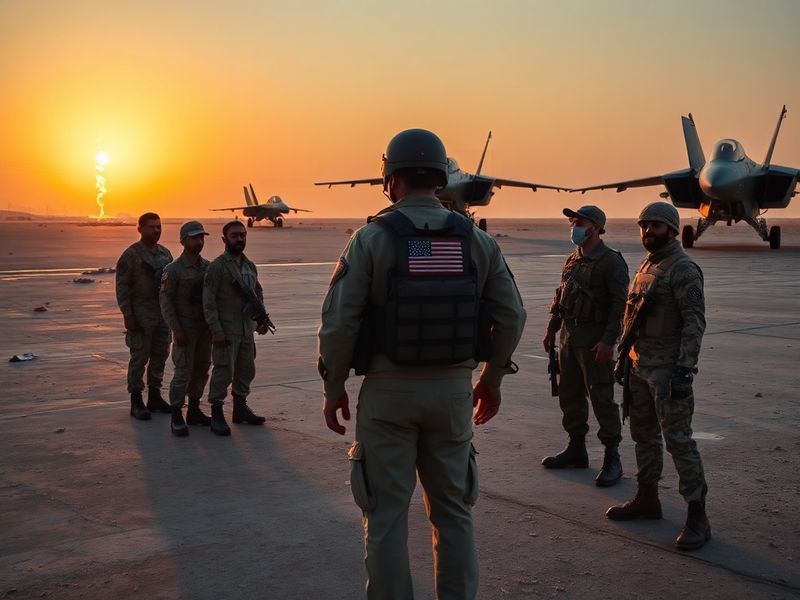
The US, meanwhile, maintains a strong military presence in the Gulf and supports allies like Saudi Arabia and Israel. The 2020 US strike that killed Iranian General Qasem Soleimani was a dramatic escalation, demonstrating Washington’s willingness to use force to counter Tehran’s actions. Such moves underscore the high-stakes nature of this proxy conflict, where miscalculations can spiral into wider wars.
For local populations, the consequences are severe. In Yemen, a brutal civil war fueled by Saudi-Iranian rivalry has led to one of the world’s worst humanitarian crises. In Iraq, militias backed by Iran have clashed with US forces, complicating efforts to stabilize the country. These conflicts highlight how US-Iran tensions spill over into the lives of ordinary people, often with devastating effects.
Economic Warfare: Sanctions and Their Human Cost
Economic sanctions have become a primary tool in the US-Iran conflict. The Trump administration’s “maximum pressure” campaign aimed to cripple Iran’s economy, targeting oil exports, banking, and trade. While the policy sought to force Iran back to the negotiating table, it also inflicted widespread suffering on the Iranian people, from hyperinflation to shortages of medicine and food.
Iran has responded with its own economic strategies, including smuggling networks and partnerships with countries like China and Russia to bypass sanctions. The result is a cat-and-mouse game where both sides adapt, but ordinary citizens bear the brunt. The humanitarian impact of sanctions has drawn criticism from human rights organizations, which argue that economic warfare often punishes the wrong people.
For businesses and investors, the uncertainty creates a risky environment. Companies navigating US-Iran relations must comply with complex regulations, balancing legal risks with potential opportunities. The sanctions regime has also reshaped global trade patterns, pushing Iran toward alternative markets and financial systems.
A Cultural Divide: How Perceptions Shape Policy
The US and Iran are not just geopolitical adversaries; they are cultural entities with vastly different worldviews. In the US, Iran is often portrayed through the lens of the 1979 hostage crisis, the 1980s embassy bombings, and its nuclear ambitions. These events have fueled a narrative of Iran as a rogue state, a threat to regional and global security.
In Iran, the US is seen as an imperialist power that interfered in its internal affairs for decades, from the 1953 coup that overthrew Prime Minister Mohammad Mossadegh to its support for the Shah. This history of intervention shapes Iran’s foreign policy, driving its resistance to US influence in the region.
The cultural divide extends to the people. Despite decades of hostility, there is curiosity and mutual fascination. Iranian cinema, literature, and music have found audiences in the US, while American pop culture remains popular in Iran. These connections offer a glimmer of hope amid political tensions, suggesting that people-to-people ties can endure even when governments clash.
The Road Ahead: Can Diplomacy Break the Cycle?
The future of US-Iran relations remains uncertain. Diplomatic efforts continue, but the road to normalization is fraught with obstacles. Both nations face domestic pressures—hardliners in Iran and a skeptical Congress in the US—that limit flexibility. Meanwhile, regional allies like Israel and Saudi Arabia watch closely, ready to influence outcomes.
For progress to occur, both sides may need to rethink their strategies. The US could offer more than just sanctions relief, addressing Iran’s security concerns and regional ambitions. Iran, in turn, might need to demonstrate greater transparency and willingness to compromise on issues like missile development and regional influence.
In the meantime, the world watches as this decades-long conflict unfolds. The stakes are too high for complacency. A misstep could plunge the region into another crisis, while cautious diplomacy might pave the way for a more stable future. The dance between the US and Iran is far from over—and the next steps will shape the Middle East for years to come.
For those interested in the broader context of global diplomacy, explore our Politics section for more in-depth analysis. To understand how regional conflicts intersect with international relations, check out our coverage in News.
—