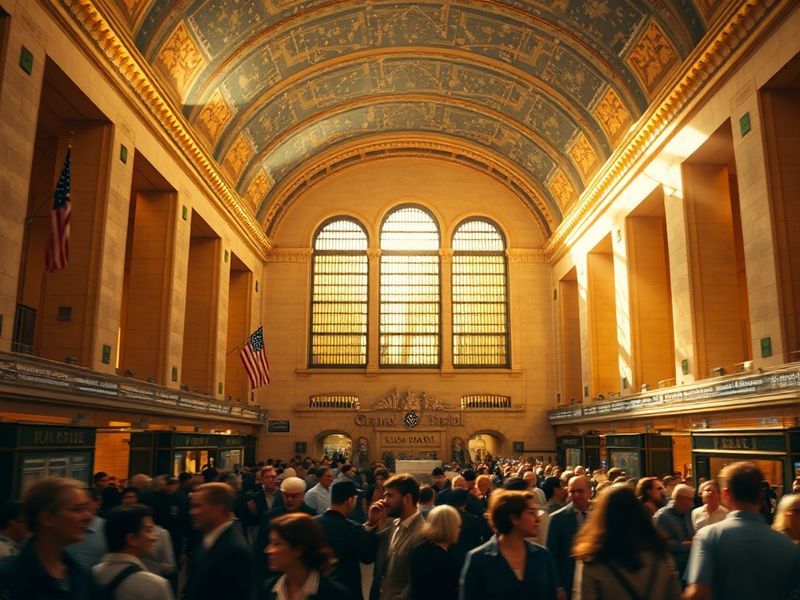
Grand Central Terminal, often simply called Grand Central, stands as one of New York City’s most enduring symbols of architectural grandeur and urban connectivity. Since its opening in 1913, the terminal has transcended its role as a mere transit hub to become a cultural landmark, a tourist attraction, and a testament to early 20th-century engineering and design. More than a century later, it remains a bustling nexus where history, commerce, and daily life intersect.
The History Behind the Landmark
Grand Central’s origins trace back to the late 19th century when the New York Central Railroad sought to consolidate its operations in Manhattan. The original station, built in 1871, was replaced by a larger, more ornate structure designed by the architectural firm Reed and Stem and Warren and Wetmore. Completed in 1913, the terminal featured Beaux-Arts style, characterized by its arched windows, marble columns, and elaborate detailing.
The terminal’s construction was a marvel of its time. Over 1,500 workers labored for nearly a decade to create a space that would accommodate 750 trains and 125,000 passengers daily. The terminal’s most recognizable feature, the Grand Concourse, stretches nearly 200 feet in length and rises four stories high, crowned by a massive celestial ceiling painted by French artist Paul Helleu. This ceiling, depicting the zodiac and the night sky, has become an iconic symbol of the terminal.
The terminal narrowly avoided demolition in the 1960s and 1970s due to urban renewal projects. A grassroots preservation movement, led by figures like Jacqueline Kennedy Onassis, successfully lobbied to save the terminal from destruction. In 1976, it was designated a National Historic Landmark, ensuring its survival for future generations.
Architecture and Design: A Masterpiece in Stone
Grand Central’s architectural brilliance lies in its seamless blend of functionality and artistry. The terminal’s design prioritized efficiency, with separate levels for arriving and departing trains to minimize congestion. The upper level served the Harlem and Hudson Lines, while the lower level accommodated the Long Island Rail Road and Metro-North Railroad.
The interior is a showcase of craftsmanship, featuring Tennessee marble walls, oak paneling, and brass fixtures. The information booth at the center of the concourse is crowned by a four-faced clock, a gift from the French government in 1913. The clock, made of opalescent glass and adorned with intricate bronze figures, remains one of the terminal’s most photographed objects.
Beyond its structural elements, Grand Central houses hidden architectural gems. The Whispering Gallery, located beneath the concourse, is a whispering spot where sound travels along the arched ceiling. Visitors can stand diagonally across from each other and hear whispers clearly, a quirky feature that delights tourists and locals alike.
- Beaux-Arts Style: Grand Central exemplifies the Beaux-Arts movement, emphasizing symmetry, grandeur, and elaborate ornamentation.
- Hidden Details: Look for the tiny brass “Vanderbilt” signatures hidden in the terminal’s design, a nod to the family that commissioned the project.
- Restoration Efforts: A $200 million renovation in the 1990s restored the terminal’s original splendor, including the celestial ceiling, which was painstakingly cleaned and repainted.
A Cultural and Commercial Hub
Grand Central is more than a transit hub; it’s a microcosm of New York City’s energy and diversity. The terminal hosts over 750,000 visitors daily, making it one of the most visited landmarks in the world. Its shops, restaurants, and dining options cater to a wide range of tastes and budgets, from quick bites at the Grand Central Market to upscale dining at the Oyster Bar, which has been serving patrons since 1913.
The terminal’s dining scene reflects the city’s culinary evolution. The Oyster Bar, with its vaulted ceilings and tiled walls, offers a taste of old New York, while newer additions like the Grand Central Dining Concourse provide modern options like sushi and artisanal sandwiches. The terminal also houses specialty food shops, a gourmet market, and even a Whiskey & Co. bar where travelers can unwind with a craft cocktail.
Grand Central is also a cultural venue, hosting events like art exhibitions, live performances, and holiday celebrations. The annual holiday train show, featuring miniature replicas of New York landmarks, draws families and train enthusiasts from across the region. The terminal’s Vanderbilt Hall, originally the main waiting room, now serves as a venue for pop-up markets, exhibitions, and public gatherings.
Grand Central in Popular Culture
Grand Central’s iconic status has cemented its place in popular culture. It has served as a backdrop for countless films, television shows, and literary works. In Alfred Hitchcock’s 1959 classic North by Northwest, the terminal’s main concourse becomes the stage for a dramatic chase scene. The terminal’s celestial ceiling also appears in the 1997 romantic comedy The Devil’s Advocate, where it symbolizes the intersection of fate and human ambition.
Literature, too, has immortalized Grand Central. In F. Scott Fitzgerald’s The Great Gatsby, the terminal represents the transient nature of New York City, where dreams are made and broken in the span of a train ride. More recently, the terminal features prominently in the young adult novel The Selection by Kiera Cass, where it serves as a symbol of choice and destiny.
Grand Central’s influence extends beyond entertainment. The terminal has inspired architects and urban planners worldwide, serving as a model for integrating transportation hubs with commercial and cultural spaces. Its preservation has set a precedent for protecting historic landmarks in the face of urban development.
For those interested in exploring more about New York City’s architectural history, Dave’s Locker’s Architecture section offers deep dives into other iconic structures across the city. Similarly, the Culture section features articles on landmarks that shape the city’s identity.
The Future of Grand Central
As Grand Central approaches its 120th anniversary, it continues to evolve while preserving its historic character. The Metropolitan Transportation Authority (MTA) has invested over $2 billion in renovations, including upgrades to the terminal’s infrastructure, accessibility, and sustainability features. These efforts aim to ensure that Grand Central remains a vital part of New York’s transportation network for decades to come.
One of the most ambitious projects is the Grand Central Madison expansion, which will add new tracks and platforms to accommodate the Long Island Rail Road. Scheduled for completion in 2023, this project will increase the terminal’s capacity and reduce travel times for commuters. The expansion also includes a new entrance at 47th Street, designed to improve pedestrian flow and accessibility.
Sustainability is another focus of the terminal’s future. The MTA has implemented energy-efficient lighting, water-saving fixtures, and waste reduction programs to minimize Grand Central’s environmental impact. These initiatives align with New York City’s broader goals of reducing carbon emissions and promoting green urban spaces.
Despite these changes, Grand Central’s timeless appeal remains intact. Its blend of history, architecture, and urban vitality ensures that it will continue to captivate visitors and locals alike. Whether it’s a daily commuter rushing to catch a train or a first-time visitor marveling at the celestial ceiling, Grand Central offers a glimpse into the heart of New York City.
As the terminal enters its next century, it stands as a reminder of the city’s resilience and adaptability. Grand Central is more than a building; it’s a living testament to the power of design, community, and progress.