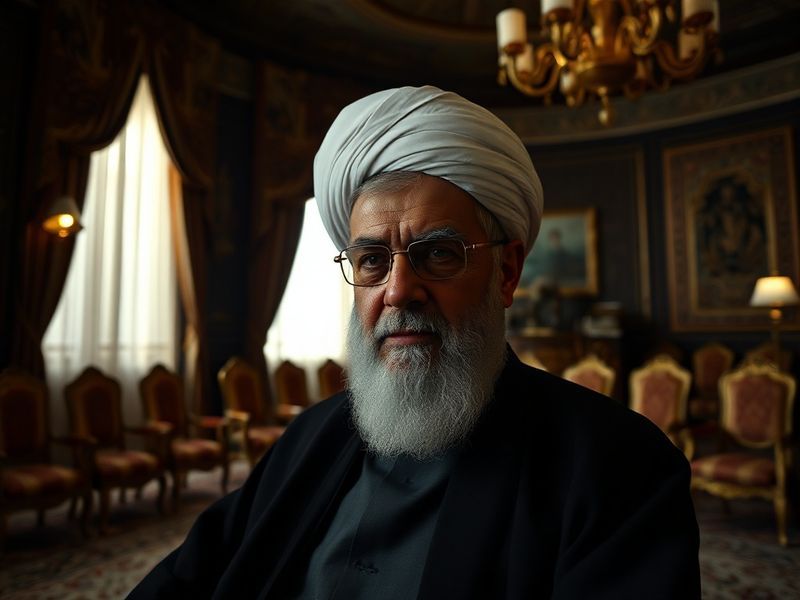
For nearly three and a half decades, Iran’s Supreme Leader has been the most powerful figure in one of the Middle East’s most complex political systems. Ayatollah Ali Khamenei, who has held the position since 1989, remains a central figure in Iran’s domestic governance and international relations. His influence extends far beyond Iran’s borders, shaping regional alliances, nuclear negotiations, and global oil markets.
Khamenei’s role is unique. Unlike elected presidents or parliamentary leaders, he is not subject to term limits or public votes. His authority is rooted in the Iranian constitution, which vests ultimate power in the Supreme Leader—responsibility for the military, judiciary, state media, and key appointments. This structure has allowed Khamenei to maintain control through periods of war, sanctions, and widespread protests.
The Structure of Power: How Iran’s Supreme Leader Exercises Authority
Iran’s political system blends democratic institutions with theocratic rule. While citizens vote for presidents and parliamentarians, the Supreme Leader holds veto power over candidates and policies. This dual structure creates a system where elected officials implement policies, but the Supreme Leader ensures they align with Islamic principles and his own strategic vision.
The Supreme Leader’s powers include:
- Commander-in-Chief: He appoints the heads of all armed forces, including the Islamic Revolutionary Guard Corps (IRGC), which plays a major role in Iran’s regional influence.
- Judicial Authority: The Chief Justice and prosecutor are appointed by—and answerable to—the Supreme Leader.
- Media Control: State television, radio, and key newspapers operate under his supervision.
- Economic Levers: Foundations under his control manage billions in assets, funding everything from social services to paramilitary groups.
This concentration of power enables the Supreme Leader to act decisively, but it also makes him a focal point for dissent. Protests in 2009, 2019, and 2022–2023 all targeted Khamenei’s rule, reflecting frustration with economic hardship, corruption, and lack of political freedoms. Despite these challenges, he has consistently reasserted control, often through the IRGC and state security forces.
Regional Role: Iran’s Supreme Leader and the Axis of Resistance
Under Khamenei, Iran has expanded its influence across the Middle East through a network of allied militias and governments. This strategy, often called the “Axis of Resistance,” includes groups like Hezbollah in Lebanon, the Houthis in Yemen, and armed factions in Iraq and Syria. These relationships are not merely ideological—they are strategic, allowing Iran to project power without direct military confrontation.
For example, support for Hezbollah has given Iran a proxy force on Israel’s northern border. In Yemen, the Houthis’ attacks on shipping lanes have disrupted global trade, drawing international attention to Iran’s reach. Meanwhile, in Syria, Iranian advisors and IRGC fighters helped prop up the Assad regime during its civil war, securing a key ally and land bridge to Lebanon.
The Supreme Leader’s vision underpins this strategy. He has consistently framed Iran’s regional role as a defense against U.S. and Israeli influence. His speeches often emphasize resistance to “arrogant powers”—a term used for Western governments—and the need to support oppressed Muslims worldwide. This narrative resonates with both domestic supporters and regional allies.
Global Implications: Nuclear Policy, Sanctions, and Diplomacy
Iran’s nuclear program has been a central focus of international concern for years. Khamenei has consistently supported uranium enrichment, arguing it is for peaceful purposes. However, the IAEA and Western powers have raised alarms about possible military dimensions. This has led to a cycle of sanctions and negotiations that have shaped global energy markets and diplomatic alliances.
In 2015, the Joint Comprehensive Plan of Action (JCPOA) was signed, temporarily curbing Iran’s nuclear activities in exchange for sanctions relief. Khamenei initially supported the deal but later distanced himself, citing mistrust of the U.S. After the U.S. withdrew in 2018, Iran resumed enrichment and increased its stockpile. The situation remains volatile, with ongoing talks in Vienna attempting to revive the agreement.
Beyond nuclear issues, Iran’s oil exports—often shipped in defiance of sanctions—have kept the economy afloat. Khamenei has overseen a shift toward “resistance economy,” prioritizing self-sufficiency and reducing reliance on oil revenues. This has included expanding domestic industries and strengthening trade with China, Russia, and other allies.
Looking Ahead: The Future of Iran’s Leadership and Regional Power
As Khamenei ages—he is now in his mid-80s—the question of succession looms. Iran’s constitution allows for a new Supreme Leader to be appointed by the Assembly of Experts, a clerical body. Potential candidates include hardliners like Ebrahim Raisi (the current president) and figures within the IRGC. A leadership transition could reshape Iran’s domestic policies and regional alliances.
Domestically, economic pressures and youth discontent continue to challenge the regime. Protests over living costs, corruption, and women’s rights have grown louder, despite harsh crackdowns. Khamenei has responded with a mix of repression and limited reforms, but the underlying tensions remain.
Regionally, Iran’s influence appears secure for now. Its network of proxies provides strategic depth and deterrence against direct attacks. However, tensions with Israel and Saudi Arabia persist, and the outcome of the Ukraine war and U.S.-China rivalry could further complicate Iran’s position.
One thing is clear: Iran’s Supreme Leader remains a pivotal figure in shaping the Middle East’s future. His decisions will continue to influence everything from oil prices to regional conflicts, making him one of the world’s most consequential but least understood leaders.
For those tracking global affairs, understanding Khamenei’s role is essential. His blend of ideological commitment, strategic patience, and unchecked authority makes him a unique force in international politics.
Follow ongoing coverage of Iran’s political and regional dynamics on Dave’s Locker News and explore deeper analysis in the Analysis section.