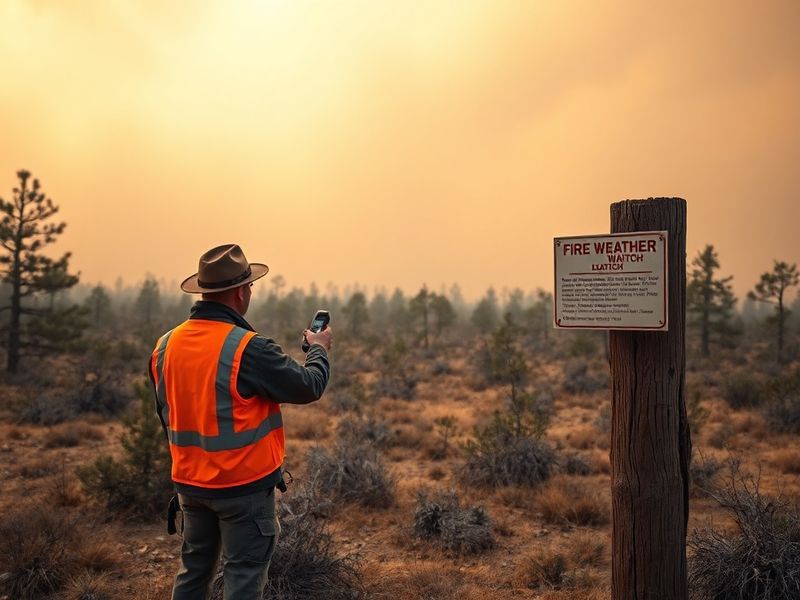
The National Weather Service issues a Fire Weather Watch when conditions are favorable for wildfires to ignite or spread rapidly. Unlike a warning, which indicates imminent danger, a watch serves as an early heads-up for residents, firefighters, and land managers. These alerts typically cover 24 to 72 hours in advance and are most common in regions prone to dry lightning, high winds, or extended drought.
Fire Weather Watches often coincide with red flag warnings, but they differ in timing and specificity. While red flag warnings are more urgent and tied to immediate fire risk, watches are preventative measures designed to give communities time to prepare. The criteria vary by region but generally include low humidity, strong winds, and dry vegetation.
Why Fire Weather Watches Are Issued
Meteorologists monitor several key factors when deciding to issue a Fire Weather Watch. Wind speed is a primary concern—gusts over 20 mph can rapidly spread embers across large areas. Humidity levels below 25% also heighten the risk, as parched plants and trees become kindling. Additionally, extended dry spells or heatwaves exacerbate conditions by further dehydrating the landscape.
Geography plays a role as well. Mountainous regions, for example, can funnel winds into narrow corridors, creating “funnel effects” that accelerate fire growth. Areas with dense, overgrown forests or those recovering from bark beetle infestations are particularly vulnerable. In 2023, California’s wildfire season saw multiple Fire Weather Watches issued during a historic heatwave, testing the resilience of both natural landscapes and firefighting resources.
Common Triggers for Fire Weather Watches
- Low humidity: Levels below 25% dry out vegetation, making it easier to ignite.
- Strong winds: Sustained winds over 20 mph or gusts exceeding 35 mph can spread fires quickly.
- Drought conditions: Prolonged dry spells deplete soil moisture and stress plant life.
- Lightning strikes: Dry thunderstorms without rain can spark fires in remote areas.
- Human activity: Even accidental sparks from equipment or campfires can escalate under watch conditions.
The Science Behind Fire Weather Forecasting
Predicting fire weather requires a blend of meteorology and environmental science. Forecasters use tools like the Haines Index, which measures atmospheric instability and dryness, to gauge potential fire behavior. A high Haines Index (values of 5 or 6) often correlates with extreme fire danger. Satellite imagery and weather balloons also provide real-time data on humidity, wind patterns, and fuel moisture levels.
Climate change has intensified the frequency and severity of Fire Weather Watches. Rising global temperatures contribute to longer fire seasons, while shifting precipitation patterns create drier landscapes. A 2022 study by the National Oceanic and Atmospheric Administration (NOAA) found that the western U.S. has seen a 20% increase in high-risk fire days since the 1980s. This trend underscores the need for adaptive strategies in both prevention and response.
How Fire Weather Watches Differ by Region
Not all Fire Weather Watches are created equal. The criteria and thresholds vary depending on the ecosystem:
- Pacific Northwest: High humidity and dense forests make wind-driven fires a primary concern.
- Southwest: Monsoon seasons can create sudden, localized dry spells followed by lightning.
- Southeast: Humid subtropical climates often see rapid fuel drying after cold fronts.
- Great Plains: Strong winds and drought conditions make this region susceptible to fast-moving grassfires.
Preparing for a Fire Weather Watch
When a Fire Weather Watch is issued, proactive steps can reduce risks to lives and property. Residents in high-risk areas should start by clearing dead vegetation from around homes, known as creating a “defensible space.” This includes trimming trees, removing dry leaves, and spacing out shrubs. Fire-resistant building materials, such as metal roofing or tempered glass windows, also provide added protection.
Evacuation planning is critical. Families should establish multiple exit routes and designate a meeting point in case of separation. Emergency kits should include essentials like water, medications, important documents, and N95 masks to filter smoke. Staying informed through local alerts and NOAA weather radio ensures timely updates during rapidly changing conditions.
What to Do During a Fire Weather Watch
- Avoid outdoor burning: Postpone campfires, fireworks, or burning debris until conditions improve.
- Monitor air quality: Use apps like AirNow or PurpleAir to track smoke levels, especially for vulnerable groups.
- Check on neighbors: Elderly residents, those with disabilities, or families with young children may need extra assistance.
- Prepare vehicles: Keep gas tanks at least half full and store an emergency kit in your car.
- Review insurance policies: Ensure coverage includes wildfire damage, particularly in fire-prone zones.
Long-Term Strategies for Fire-Prone Communities
While Fire Weather Watches are short-term alerts, long-term solutions require collaboration between governments, scientists, and communities. Forest management practices, such as prescribed burns and selective logging, can reduce fuel loads and mitigate extreme fire behavior. California’s Sierra Nevada Conservancy has restored over 1 million acres using these methods, demonstrating measurable success in lowering fire severity.
Urban planning also plays a role. Building codes in wildfire-prone areas are evolving to include fire-resistant designs, such as ember-resistant vents and non-combustible fencing. In 2021, Colorado passed legislation requiring wildfire-resistant materials in new construction within high-risk zones. These measures, while costly upfront, can save billions in future disaster recovery efforts.
Public education remains a cornerstone of prevention. Programs like Firewise USA teach homeowners how to create fire-resistant landscapes and advocate for community-wide preparedness. Schools and local organizations often host workshops on fire safety, emphasizing that readiness is a shared responsibility.
Policy and Funding: Addressing the Wildfire Crisis
The federal government has allocated billions to combat wildfires, but funding gaps persist. The Bipartisan Infrastructure Law of 2021 included $3.3 billion for wildfire resilience, but critics argue this is only a fraction of what’s needed. Strategies like increasing the federal firefighting budget, expanding the use of Indigenous cultural burning practices, and investing in early detection technologies (e.g., AI-driven fire-spotting drones) are gaining traction.
Community-based approaches are also proving effective. In Oregon, the Ashland Forest Resiliency Stewardship Project combines thinning forests, prescribed burns, and collaborative governance to reduce fire risks while supporting local economies. Such models highlight the importance of balancing ecological health with human needs.
Conclusion: Staying Ahead of the Threat
Fire Weather Watches are more than just alerts—they are calls to action. By understanding the science behind these warnings and taking proactive measures, individuals and communities can significantly reduce the impact of wildfires. Whether it’s creating defensible spaces, reviewing emergency plans, or supporting policy changes, preparedness starts at the local level.
As climate change continues to alter fire regimes, the importance of vigilance and adaptation cannot be overstated. Fire Weather Watches serve as a critical reminder that wildfire risk is not a distant threat but an ongoing reality. With the right tools, knowledge, and collective effort, we can build resilience in the face of this growing challenge.