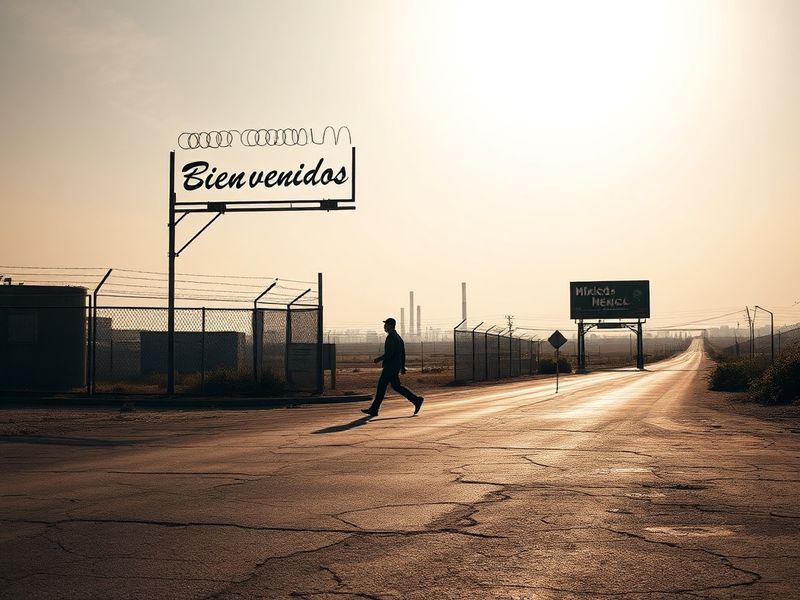
Mexico’s border cities have long served as vital arteries of commerce, culture, and controversy. Among them, Juárez and Tijuana stand out for their contrasting yet intertwined narratives. These cities, separated by over 1,500 miles, share a common thread: they are gateways between nations, each with its own rhythm, challenges, and identity.
The Economic Engines of the Border
Juárez, officially known as Ciudad Juárez, thrives as a manufacturing hub. The city’s maquiladora industry—foreign-owned factories that assemble goods for export—employs tens of thousands. Electronics, automotive parts, and medical devices roll off assembly lines here, destined for the United States. The sheer scale of production in Juárez contributes billions to Mexico’s economy annually. Meanwhile, Tijuana has carved its niche as a global entertainment and tech crossover hub. The city’s proximity to San Diego makes it a magnet for cross-border business, particularly in software development, biotechnology, and film production. Tijuana’s film industry, often called “Hollywood South,” has grown significantly, attracting international productions seeking lower costs and diverse landscapes.
The economic disparity between the two cities is stark. Juárez’s economy relies heavily on manufacturing, while Tijuana’s is more diversified. Tijuana’s tourism sector, bolstered by its beaches and nightlife, adds another layer of financial stability. Both cities, however, face challenges. Juárez has struggled with security issues in the past, while Tijuana contends with water scarcity and infrastructure strain due to rapid urbanization.
Key Industries in Juárez and Tijuana
- Juárez: Maquiladoras (electronics, automotive, medical devices), cross-border trade
- Tijuana: Film production, biotechnology, software development, tourism
Cultural Crossroads and Identity
Cultural exchange is a defining feature of both cities. Juárez’s identity is deeply rooted in its indigenous Tarahumara heritage and its role as a border city. The city’s music scene blends traditional Mexican sounds with modern genres, creating a unique auditory landscape. Meanwhile, Tijuana’s cultural identity is a fusion of Mexican and American influences. The city’s art scene, particularly muralism, reflects this duality. Tijuana’s murals, often vibrant and politically charged, can be seen adorning buildings throughout the city.
Food is another area where these cities diverge and converge. Juárez’s cuisine leans heavily into northern Mexican flavors—think grilled meats, flour tortillas, and hearty stews. Tijuana, on the other hand, offers a mix of traditional Mexican dishes and fusion cuisine, influenced by its border location. The city is famous for its food scene, from street tacos to high-end dining. Both cities, however, share a love for mole, tamales, and mezcal, creating a culinary bridge between north and south.
Security and Social Challenges
Security has been a defining issue for Juárez. In the late 2000s and early 2010s, the city was plagued by cartel violence, earning a reputation for danger. While conditions have improved, the scars remain. Economic inequality and migration have also left their mark. Juárez’s population has fluctuated with the ebb and flow of U.S. immigration policies, creating a transient and diverse community.
Tijuana, too, has faced its share of security challenges. Cartel-related violence has occasionally flared up, and the city’s proximity to the U.S. makes it a hotspot for human trafficking and drug smuggling. However, Tijuana has also become a symbol of resilience. Community-led initiatives, such as art collectives and youth programs, have emerged to counter the narrative of violence. The city’s cultural vibrancy is, in part, a response to these challenges—a way to reclaim its narrative.
Security Concerns in Juárez and Tijuana
- Juárez: Cartel violence, economic inequality, migration pressures
- Tijuana: Cartel-related crime, human trafficking, infrastructure strain
Tourism and Global Perception
Tourism plays a significant role in shaping these cities’ global perceptions. Juárez’s tourism is often overshadowed by its reputation for danger, but it has hidden gems. The city’s historic center, the Misión de Guadalupe, and the nearby Copper Canyon attract adventurous travelers. Tijuana, meanwhile, is a major tourist destination. Its proximity to San Diego makes it a popular day-trip spot for Americans seeking nightlife, shopping, or cultural experiences. The city’s tourism industry thrives on its reputation as a vibrant, affordable, and accessible destination.
Both cities, however, grapple with the challenge of rebranding. Juárez seeks to shed its violent past and emphasize its economic contributions and cultural richness. Tijuana, while celebrated for its energy, must address issues like water scarcity and urban sprawl to ensure sustainable growth. Their global images are slowly shifting, but the journey is far from over.
Conclusion: Two Cities, One Border
Juárez and Tijuana are more than just Mexican border cities—they are living testaments to resilience, adaptation, and cultural fusion. Their economies, cultures, and challenges may differ, but they share a common thread: the border itself. This line on the map is both a divider and a connector, shaping the identities of these cities in profound ways.
As Mexico continues to evolve, so too will its border cities. Juárez and Tijuana offer a glimpse into the future of border life—a future where commerce, culture, and conflict intersect. For travelers, investors, and locals alike, these cities remain essential to understanding the complexities of the U.S.-Mexico relationship.