Lluvia: Cultural, Scientific, and Urban Perspectives
“`html
Understanding Lluvia: More Than Just Rain
Lluvia, the Spanish word for rain, carries layers of meaning beyond its meteorological definition. In cultures where it appears in poetry, music, and daily conversation, lluvia transcends its literal translation. It becomes a poetic metaphor for renewal, melancholy, or even existential reflection. This duality—both as a weather phenomenon and a cultural symbol—makes lluvia a fascinating subject worth exploring.
The word itself originates from Latin pluvia, which evolved into the Old Spanish lluvia. Its linguistic roots underscore how deeply weather terminology embeds itself in language and identity. In regions like Latin America and Spain, lluvia isn’t just something that falls from the sky; it’s woven into proverbs, songs, and idiomatic expressions.
The Cultural Significance of Lluvia in Latin America
In Latin American literature and music, lluvia frequently symbolizes cleansing, sorrow, or rebirth. For instance, in Gabriel García Márquez’s One Hundred Years of Solitude, rain often signals both destruction and transformation. The torrential downpours in the novel mirror the cyclical nature of life and history in Macondo.
Similarly, in Mexican folk music, especially within the canción ranchera tradition, lluvia appears as a poetic device. Songs like Llueve by Vicente Fernández use rain to evoke longing, separation, or nostalgia. The imagery of rain-soaked landscapes mirrors the emotional landscapes of the lyrics.
In some indigenous traditions, lluvia holds spiritual significance. The Maya, for example, associate rain with Chaac, the god of thunder and fertility. Rituals invoking lluvia were central to agricultural cycles, blending practical necessity with spiritual reverence.
- Literary Symbolism: Rain as a metaphor for change or purification.
- Musical Expression: Rain in lyrics to convey emotion or setting.
- Spiritual Connection: Rain as a divine force in indigenous cosmology.
Lluvia in Weather and Climate Science
From a scientific perspective, lluvia is a critical component of Earth’s water cycle. Rainfall patterns influence ecosystems, agriculture, and urban planning. Regions like the Amazon rely on seasonal rainfall for biodiversity, while areas like California face challenges from prolonged droughts and unpredictable storms.
Climate change is altering lluvia patterns globally. Warmer temperatures increase evaporation, leading to more intense rainfall in some regions and prolonged dry spells in others. Scientists use terms like pluvial flooding to describe the rising risks in urban areas where infrastructure struggles to handle sudden downpours.
In Spain, the phenomenon of gota fría (cold drop) brings devastating floods to the Mediterranean coast. These extreme weather events highlight the dual nature of lluvia—life-sustaining yet potentially destructive. Understanding these patterns is essential for mitigating risks and adapting to a changing climate.
The Role of Lluvia in Agriculture
Agriculture depends heavily on lluvia, particularly in rain-fed systems. Crops like maize, beans, and coffee thrive in regions with consistent rainfall. However, erratic weather patterns threaten food security. Farmers in sub-Saharan Africa and South Asia increasingly turn to drought-resistant crops or irrigation techniques to adapt.
In contrast, excessive lluvia can lead to soil erosion and crop loss. Techniques like terracing and cover cropping help manage water runoff. Innovations in precision agriculture, such as soil moisture sensors, allow farmers to optimize irrigation and reduce waste.
Lluvia in Urban Environments: Challenges and Solutions
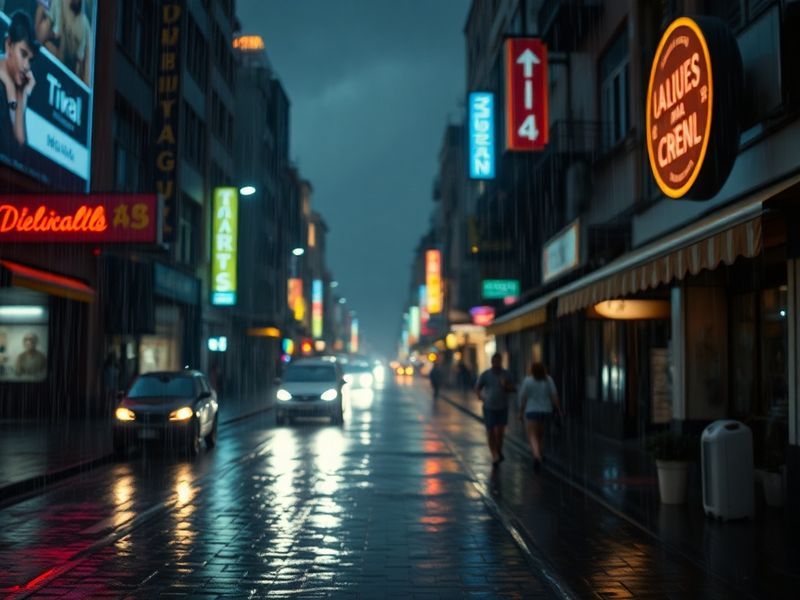
Cities face unique challenges with lluvia due to impervious surfaces like concrete and asphalt. These materials prevent water absorption, leading to flash floods. Urban planners implement green infrastructure—such as rain gardens, permeable pavements, and bioswales—to mitigate these issues.
Copenhagen, for example, has invested in a cloudburst management system to handle extreme rainfall. The city’s Cloudburst Management Plan includes parks designed to flood temporarily, storing excess water and reducing strain on drainage systems.
In contrast, informal settlements in developing countries often lack adequate drainage, making residents vulnerable to flooding. Organizations like the Red Cross work with communities to implement low-cost solutions, such as communal drainage systems or early warning systems.
Innovative Approaches to Managing Lluvia
Technology plays a growing role in predicting and managing lluvia. Satellite imagery and AI-driven models improve weather forecasting accuracy. In India, the India Meteorological Department uses Doppler radar to track monsoon patterns, helping farmers plan planting and harvesting.
Another innovation is the use of fog harvesting in arid regions like Chile’s Atacama Desert. Mesh nets capture moisture from fog, providing potable water for communities. This technique, inspired by natural processes, showcases how ancient wisdom and modern science can intersect.
Lluvia in Art and Pop Culture
Beyond literature and music, lluvia permeates visual arts and cinema. In films like El Laberinto del Fauno, rain visually reinforces the film’s dark, magical realism. The persistent drizzle mirrors the oppressive atmosphere of post-Civil War Spain.
In fashion, lluvia inspires designers to experiment with waterproof fabrics and avant-garde silhouettes. Brands like Issey Miyake have showcased raincoats as statement pieces, blending functionality with artistry.
Even in digital spaces, lluvia appears as a visual trope. Video games like The Legend of Zelda: Breath of the Wild use rain to create immersive atmospheres, influencing player emotions and gameplay dynamics.
Conclusion: Embracing the Multifaceted Nature of Lluvia
Lluvia is far more than a weather event—it’s a cultural touchstone, a scientific phenomenon, and a practical challenge. From the poetic verses of Pablo Neruda to the flood management systems of Copenhagen, lluvia weaves itself into the fabric of human experience. As climate change reshapes rainfall patterns, understanding lluvia’s complexities becomes ever more critical.
Whether you’re a farmer, an urban planner, or simply someone who enjoys the rhythm of raindrops on a window, lluvia invites reflection. It reminds us of nature’s power and our interconnectedness with the environment. By studying lluvia through multiple lenses—cultural, scientific, and artistic—we gain a richer appreciation for its role in our lives.
Next time you hear the word lluvia, pause to consider its many meanings. It might just inspire a poem, a scientific inquiry, or a conversation about our changing world.