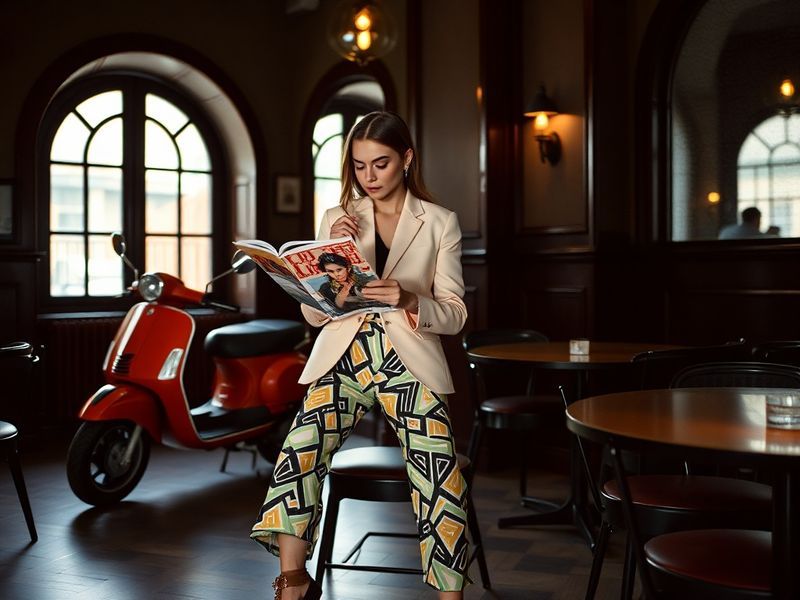
Miu Miu, the younger sister line of Prada, has carved out its own distinct identity in the competitive world of luxury fashion. What began as a secondary label in 1993 has grown into a force of its own, celebrated for its playful yet sophisticated designs. Unlike its minimalist elder sibling, Miu Miu embraces maximalism with a youthful, experimental edge that resonates with a new generation of fashion enthusiasts.
The Origins and Philosophy Behind Miu Miu
Founded by Miuccia Prada in 1993, Miu Miu was initially conceived as a more accessible extension of Prada’s high-end aesthetic. The brand’s name is a playful nod to Miuccia’s childhood nickname, “Miu Miu,” which she acquired as a child due to her small stature. From the outset, the label was designed to be a testing ground for avant-garde ideas, allowing Miuccia to explore bolder silhouettes, unconventional fabrics, and unexpected color combinations without the constraints of Prada’s refined minimalism.
The brand’s philosophy revolves around the idea of “anti-fashion” – a rejection of conventional trends in favor of individuality and self-expression. This approach has made Miu Miu a favorite among artists, musicians, and fashion insiders who value creativity over conformity. The brand’s early collections often featured deconstructed tailoring, bold prints, and a mix of vintage and modern influences, setting it apart from the polished elegance of its parent company.
Key Milestones in Miu Miu’s Rise to Prominence
Miu Miu’s journey from a niche subsidiary to a globally recognized fashion powerhouse has been marked by several defining moments:
- 1990s: The brand’s early collections were characterized by a rebellious spirit, featuring leather harnesses, mismatched prints, and unconventional layering. These designs challenged traditional notions of femininity and luxury.
- 2000s: Miu Miu gained traction among celebrities and influencers, thanks in part to its collaboration with artists like Vanessa Beecroft and its frequent appearances in music videos and films. The brand’s 2000 campaign, shot by Steven Meisel, became iconic for its edgy, surreal aesthetic.
- 2010s: The rise of social media and street style photography propelled Miu Miu into the spotlight. The brand’s vintage-inspired pieces, such as its signature Mary Jane shoes and pleated skirts, became staples in the wardrobes of fashion-forward individuals.
- 2020s: Miu Miu has embraced sustainability and digital innovation, launching initiatives like its “Upcycled by Miu Miu” collection and expanding its e-commerce presence to meet the demands of a younger, tech-savvy audience.
Why Miu Miu Resonates with a New Generation
Miu Miu’s appeal lies in its ability to balance nostalgia with modernity. The brand’s vintage-inspired designs, such as its 1960s-inspired mini dresses and retro sunglasses, offer a sense of familiarity while remaining fresh and relevant. This duality is particularly attractive to millennials and Gen Z consumers, who value both heritage and innovation in their fashion choices.
Another factor contributing to Miu Miu’s popularity is its strong presence in pop culture. The brand has dressed icons like Lady Gaga, Rihanna, and Billie Eilish, further cementing its status as a cultural touchstone. Miu Miu’s collaborations with artists and musicians have also helped it transcend traditional fashion boundaries, making it a staple in both runway shows and street style.
The brand’s commitment to inclusivity is another key driver of its success. Miu Miu has consistently featured diverse models in its campaigns, reflecting a broader shift in the fashion industry toward greater representation. This approach not only aligns with contemporary values but also resonates with a global audience that craves authenticity and relatability.
Miu Miu’s Broader Impact on the Fashion Industry
Miu Miu’s influence extends beyond its own collections. The brand has played a pivotal role in shaping contemporary fashion trends, particularly in the areas of gender fluidity and sustainability. By challenging traditional gender norms and experimenting with unisex designs, Miu Miu has contributed to the ongoing conversation about inclusivity in fashion. Its “Re-Nylon” initiative, which uses recycled nylon in its products, underscores its commitment to reducing its environmental footprint.
Moreover, Miu Miu’s success has demonstrated the viability of smaller, more agile fashion labels in a market dominated by conglomerates. The brand’s ability to stay true to its identity while adapting to changing consumer preferences serves as a blueprint for emerging designers looking to make their mark in the industry.
Conclusion: The Future of Miu Miu
As Miu Miu continues to evolve, it remains a testament to the power of individuality and creativity in fashion. The brand’s ability to reinvent itself while staying true to its roots has ensured its longevity in an industry known for its volatility. With a growing focus on sustainability and digital innovation, Miu Miu is well-positioned to remain a leader in the luxury fashion space for years to come.
For those looking to stay ahead of the curve, Miu Miu offers more than just clothing – it provides a vision of fashion that is bold, inclusive, and unapologetically expressive. As the brand continues to push boundaries, it will undoubtedly inspire a new wave of designers and fashion enthusiasts alike.
Explore more about the latest trends in Fashion and dive deeper into the world of luxury fashion with our Entertainment section.