The Puebla–León Corridor: A Global Case Study in Cultural and Economic Exchange
Few routes in the world embody the fusion of tradition and modernity as vividly as the corridor connecting Puebla and León in central Mexico. This 300-kilometer stretch between two of Mexico’s most historically significant cities offers a living laboratory of economic transformation, cultural preservation, and urban evolution. While often overshadowed by the more prominent Mexico City–Guadalajara axis, the Puebla–León corridor has quietly become a vital artery in Mexico’s industrial and creative landscape.
This region is not just a geographical link but a cultural bridge. Puebla, with its colonial grandeur and UNESCO-listed historic center, meets León, a city synonymous with leather goods and rapid industrialization. Together, they form a dynamic pair that reflects Mexico’s broader narrative: a nation balancing its deep-rooted traditions with the demands of a globalized economy. The corridor’s development tells a story of resilience, innovation, and identity—one that resonates far beyond Mexico’s borders.
The Historical Foundations: From Conquest to Commerce
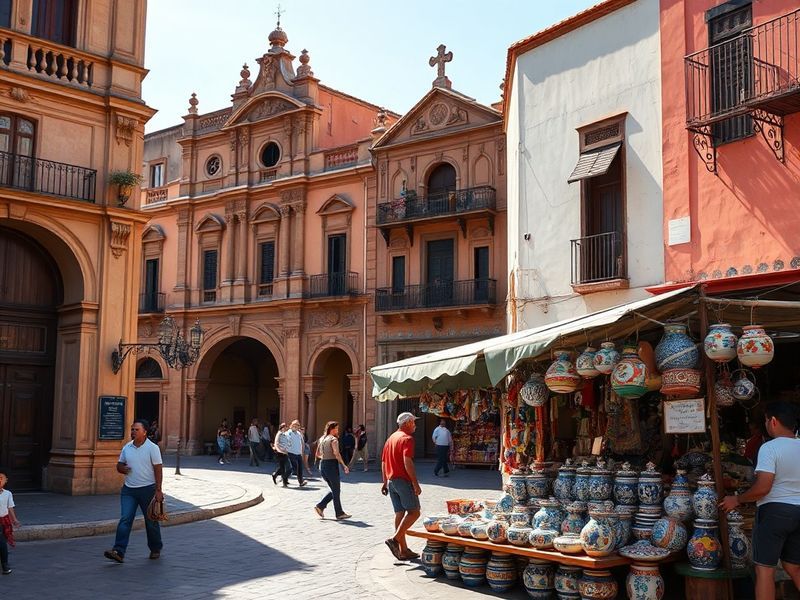
Puebla was founded in 1531 by Spanish conquistadors and quickly became a center of colonial art, architecture, and education. Its baroque churches, tiled facades, and culinary legacy—including the invention of mole poblano—remain defining features of Mexican identity. León, though younger, rose to prominence in the 19th century as a hub for leather production, fueled by the region’s cattle ranching and artisanal traditions.
The two cities have long been connected by commerce. In the colonial era, Puebla’s textile workshops supplied goods to miners and settlers moving westward toward Guanajuato. By the 19th century, León’s leather trade expanded along the same routes, evolving into a regional powerhouse. Today, the corridor is a testament to Mexico’s layered history, where pre-Hispanic, colonial, and industrial influences coexist in everyday life.
The railroads of the late 19th century first formalized the connection between Puebla and León, enabling the flow of goods, people, and ideas. Though passenger service declined in the late 20th century, freight lines remained active, cementing the corridor’s role in Mexico’s manufacturing supply chain. The reintroduction of regional rail services in recent years has reignited public interest in reviving this historic link, sparking conversations about sustainable mobility and heritage preservation.
The Economic Engine: Manufacturing Meets Creativity
León is often called the “leather capital of the world,” home to thousands of workshops and factories producing shoes, belts, and accessories. The city’s tanneries and artisan communities support over 200,000 jobs, many of them family-run businesses passed down through generations. Meanwhile, Puebla has diversified into automotive manufacturing, aerospace components, and food processing, hosting major international companies alongside traditional crafts.
The corridor’s economic strength lies in its diversity. While León leads in light manufacturing, Puebla excels in heavy industry and services. This complementary relationship has created a resilient regional economy. According to Mexico’s National Institute of Statistics (INEGI), the Puebla–León region contributes nearly 5% of the country’s GDP, with manufacturing accounting for over 30% of local output.
One notable success story is the rise of the automotive sector in Puebla. The state is home to Volkswagen’s largest production plant outside Germany, assembling over 400,000 vehicles annually. This facility, operational since 1967, has attracted a network of suppliers, many of which are small and medium-sized enterprises (SMEs) from León and surrounding areas. The interdependence between these cities strengthens the entire supply chain and highlights the corridor’s role in global manufacturing networks.
Innovation is also emerging in niche sectors. Puebla has become a growing center for aerospace manufacturing, with companies like Safran and Aernnova establishing operations. León, meanwhile, is investing in sustainable fashion and eco-friendly leather alternatives, tapping into global demand for ethical production. These trends suggest the corridor is evolving from a traditional industrial zone into a hub for advanced and sustainable manufacturing.
Culture and Identity: A Living Heritage
The Puebla–León corridor is rich in cultural expression. Puebla’s historic center, a UNESCO World Heritage Site, features over 2,600 colonial-era buildings, including the iconic Puebla Cathedral and the Library of the Benedictine College. The city is also famous for its cuisine, from street tacos to high-end restaurants serving dishes like chiles en nogada, a patriotic dish created in the 19th century.
León, though less steeped in colonial architecture, boasts a vibrant cultural scene centered around leathercraft and contemporary art. The city hosts the annual Leather and Footwear Fair, one of the largest in Latin America, drawing buyers from over 40 countries. Its modern cultural landmarks include the Polyforum León, a multi-purpose venue hosting concerts, exhibitions, and festivals that rival those in larger Mexican cities.
The corridor also serves as a living archive of indigenous traditions. The Nahua and Totonac communities in the region continue to practice ancient techniques in pottery, weaving, and ceremonial arts. In towns like Cholula and Acatzingo, these traditions are not merely preserved but reimagined, blending with contemporary design and global markets.
Education plays a key role in sustaining this cultural dynamism. Puebla is home to prestigious universities like BUAP (Benemérita Universidad Autónoma de Puebla) and the Universidad Iberoamericana, while León’s universities focus on engineering, design, and business. These institutions foster cross-disciplinary collaboration, from heritage conservation projects to startups in creative industries.
Challenges and Opportunities: The Road Ahead
Despite its strengths, the Puebla–León corridor faces significant challenges. Urban sprawl, traffic congestion, and air pollution are growing concerns, especially as both cities expand rapidly. The lack of a modern, integrated public transportation system between them exacerbates inequality and limits economic mobility for workers who commute daily.
Environmental sustainability is another pressing issue. The leather industry in León has long been criticized for water pollution and waste management. While recent regulations and cleaner technologies are being adopted, enforcement remains inconsistent. Puebla’s industrial zones also face water scarcity, a problem exacerbated by climate change and agricultural demand.
Yet, the corridor’s future is not defined by challenges alone. The rise of digital connectivity offers new opportunities for remote work, e-commerce, and cultural exchange. Initiatives like the Puebla-León Innovation Corridor aim to foster tech startups and digital nomads, positioning the region as a hub for creative and tech-based economies.
There is also growing interest in heritage tourism. The corridor lies along the historic Camino Real de Tierra Adentro, a UNESCO-listed route used since colonial times. Revitalizing this path could attract international travelers seeking authentic cultural experiences, from colonial cities to artisan villages and eco-tourism sites.
The Puebla–León corridor is more than a transit route—it is a microcosm of Mexico’s potential. It demonstrates how historical depth, economic diversity, and cultural pride can coexist with innovation and global engagement. As Mexico continues to integrate into the world economy, corridors like this one offer valuable lessons in balancing growth with identity.
For policymakers, entrepreneurs, and cultural leaders, the corridor represents both a challenge and an opportunity. The decisions made today will determine whether this region becomes a model of sustainable development or a cautionary tale of unchecked urbanization. What is clear is that the story of Puebla and León is still being written—and the world is watching.