Randox Grand National: The Race That Defines Endurance and Strategy
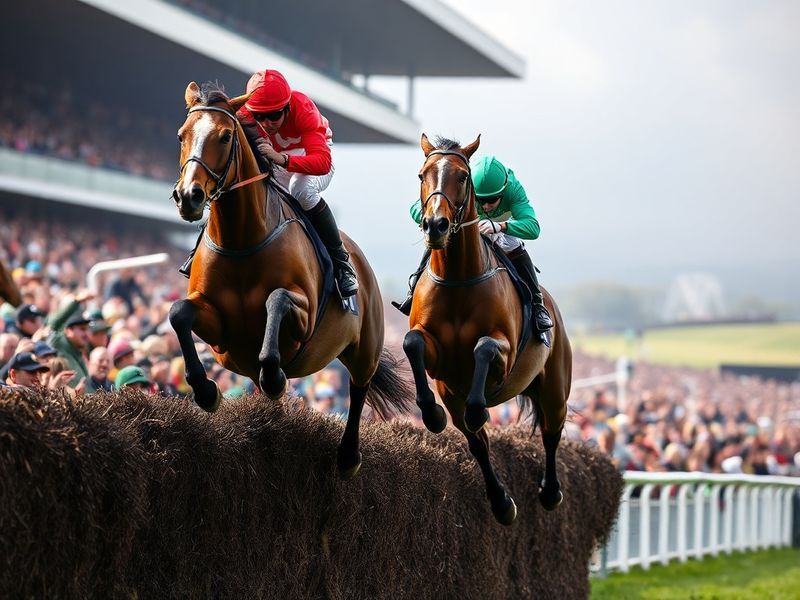
The Randox Grand National stands as one of the most iconic steeplechases in horse racing, captivating audiences with its grueling 4.5-mile course and 30 formidable fences. Held annually at Aintree Racecourse near Liverpool, England, the event has evolved from a local competition into a globally celebrated spectacle. Unlike shorter, more predictable races, the Grand National tests both horse and rider in ways few other events can match.
This year’s edition saw a record-breaking field of 40 runners, each vying for a slice of the £1 million prize fund. The race’s unpredictable nature—marked by dramatic falls, heroic comebacks, and photo-finishes—keeps fans on the edge of their seats. For trainers and jockeys, the Grand National represents the ultimate challenge, demanding meticulous preparation and nerves of steel.
The History and Tradition Behind the Grand National
First run in 1839, the Randox Grand National has deep roots in British sporting culture. The race was conceived by William Lynn, a local innkeeper, who leased land from the Earl of Sefton to create a course for steeplechasing. Over the decades, it became a symbol of resilience, with horses like Red Rum—who won three times in the 1970s—entering racing folklore.
The race’s reputation for drama is unmatched. Fences such as Becher’s Brook and The Chair have claimed countless contenders, while the final stretch at Aintree remains one of the most nerve-wracking in sports. The Grand National is more than a race; it’s a test of endurance, strategy, and sheer determination.
In recent years, the event has embraced modernization, with tighter safety regulations and improved course conditions. Yet, it retains its raw, unpredictable charm—a balance that has kept it relevant for nearly two centuries.
Key Factors That Determine Success in the Grand National
Winning the Randox Grand National requires more than just a fast horse. Trainers focus on several critical elements to maximize a runner’s chances:
- Stamina: The 4.5-mile distance demands horses with exceptional endurance. Many contenders are bred specifically for staying power rather than speed.
- Experience: Novice horses rarely win; proven Grand National veterans like Tiger Roll have a distinct advantage.
- Jockey Skill: A rider’s ability to navigate Aintree’s treacherous fences while managing pace is crucial. Tactics often decide the race.
- Course Knowledge: Horses familiar with Aintree’s unique terrain perform better, making pre-race training essential.
Weather also plays a defining role. Heavy rain can soften the ground, slowing runners, while strong winds add an extra layer of difficulty. The 2023 race, for instance, saw a record-equalling 11 horses complete the course despite challenging conditions.
For bettors, the Grand National offers both opportunity and risk. Odds fluctuate wildly based on form, weight, and jockey, making it a favorite among casual and professional gamblers alike.
Controversies and Evolving Standards in the Grand National
The race has faced scrutiny over animal welfare concerns, particularly regarding the welfare of horses. High-profile falls, such as the 2012 incident involving Synchronised, have led to calls for stricter regulations. In response, Aintree has implemented measures like softer fences and mandatory veterinary checks.
Another debate revolves around the race’s length. Some argue that 4.5 miles is excessive, risking injury, while others believe it’s integral to the Grand National’s identity. The sport’s governing bodies continue to balance tradition with safety, a challenge that defines modern horse racing.
Despite these controversies, the Grand National remains a cornerstone of British culture. Its blend of history, unpredictability, and high stakes ensures its place in the sporting calendar.
What’s Next for the Randox Grand National?
The future of the Grand National hinges on its ability to adapt without losing its essence. Innovations in horse care, course design, and safety protocols will shape its evolution. Meanwhile, the race’s global appeal shows no signs of waning, with international trainers and jockeys increasingly targeting Aintree.
For casual viewers, the Grand National offers a thrilling spectacle. For purists, it’s a celebration of equestrian excellence. And for the competitors, it’s the ultimate test of skill, courage, and partnership between horse and rider.
As the 2024 edition approaches, anticipation builds once again. Will a new champion emerge, or will a past winner rewrite history? One thing is certain: the Randox Grand National will deliver drama, heartbreak, and unforgettable moments.
For those looking to explore more about horse racing’s biggest events, check out our Sports category for in-depth analysis and coverage.
To dive deeper into the history of iconic races, visit our Entertainment section, where we explore the cultural impact of sporting traditions.
Conclusion
The Randox Grand National is more than a race; it’s a tradition, a challenge, and a spectacle. Its blend of history, unpredictability, and high stakes ensures its place in the sporting world. As the event continues to evolve, one thing remains constant: the Grand National will always be a test of the extraordinary.