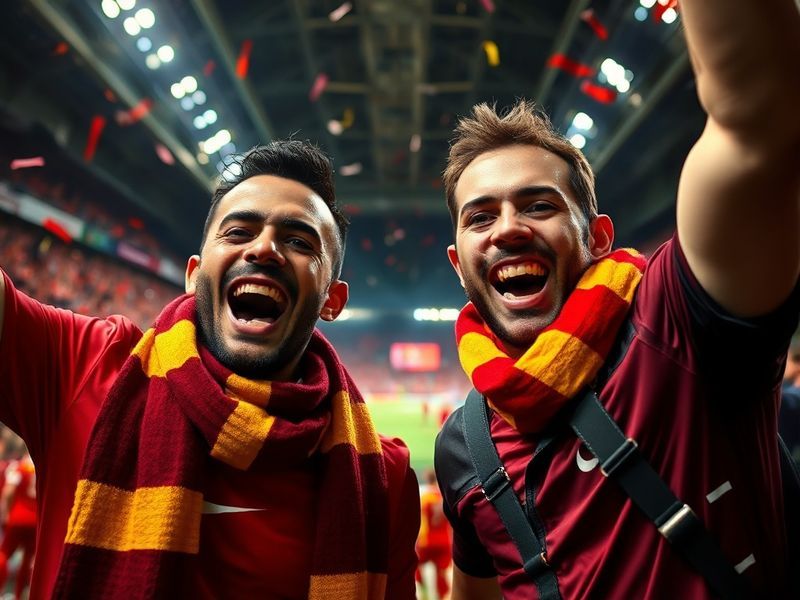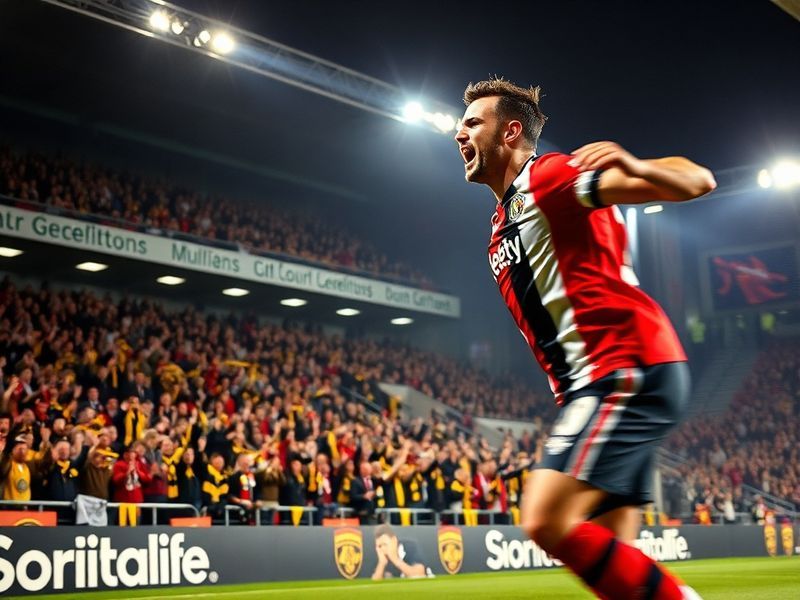
Football matches between St. Pauli and Bayern Munich are more than just sporting contests. They represent a collision of ideologies, cultures, and histories that resonate far beyond the pitch. For decades, these two clubs have stood at opposite ends of the football spectrum, embodying contrasting values that appeal to vastly different fanbases.
Bayern Munich, with its glittering trophies and corporate backing, has become a symbol of modern football’s commercialization. Meanwhile, FC St. Pauli, rooted in Hamburg’s working-class district of St. Pauli, has carved out a reputation as football’s most politically engaged club, championing anti-racism, anti-fascism, and LGBTQ+ rights. When these two sides meet, the result is never just a football match—it’s a cultural statement.
The Historical Context: Two Clubs, Two Worlds
Bayern Munich’s ascent to global dominance began in the 1970s, fueled by success on the pitch and financial backing from corporate sponsors. Today, the club is a multi-billion-euro enterprise, with a global fanbase that stretches from Asia to the Americas. Its dominance in the Bundesliga is near-total, with 33 league titles to its name, a record unmatched by any other German club.
St. Pauli, by contrast, has spent most of its history in the lower divisions, its fanbase drawn from Hamburg’s alternative and left-wing communities. The club’s rise to prominence in the 2000s coincided with a resurgence of fan activism in European football. St. Pauli’s Millerntor-Stadion became a pilgrimage site for football purists who saw in the club a rejection of the sport’s commercialization. The club’s famous skull-and-crossbones crest, a symbol of rebellion, adorns everything from scarves to tattoos, embodying a defiant spirit that resonates with fans worldwide.
When these two clubs face off, the contrast is stark. Bayern’s polished, high-pressing style of play contrasts with St. Pauli’s gritty, physical approach, often described as “Kampfball”—a term that roughly translates to “battle ball.” The tactical differences are secondary to the ideological clash that underpins the fixture. For Bayern’s fans, the match is an opportunity to assert their club’s dominance. For St. Pauli’s supporters, it’s a chance to prove that football can still be about more than just money and trophies.
Key Moments in the St. Pauli vs. Bayern Rivalry
The rivalry between St. Pauli and Bayern is not defined by frequent meetings—fewer than 20 competitive fixtures have been played between the two clubs—but by the intensity of those encounters. Here are some of the most memorable moments:
- 1980s: The Humble Beginnings
The first competitive meeting between the two clubs took place in the 1980-81 DFB-Pokal, where Bayern comfortably defeated St. Pauli 4-1. At the time, St. Pauli was a mid-table 2. Bundesliga side, while Bayern was already a European powerhouse. The result set the tone for future encounters—Bayern’s dominance was clear, but St. Pauli’s resilience was apparent.
- 2001: St. Pauli’s Miracle in the Cup
One of the most famous results in the fixture came in the 2001-02 DFB-Pokal first round, when St. Pauli, then in the Regionalliga Nord (Germany’s fourth tier), stunned Bayern 2-1. Goals from André Trulsen and Thomas Meggle secured a historic victory, sending shockwaves through German football. The win was celebrated as a David vs. Goliath moment, further cementing St. Pauli’s reputation as a club that punches above its weight.
- 2010: Bayern’s Ruthless Efficiency
Bayern’s 3-0 victory in the 2010-11 Bundesliga season was a masterclass in efficiency. Goals from Thomas Müller, Arjen Robben, and Franck Ribéry showcased Bayern’s attacking prowess, but the match was overshadowed by controversy. St. Pauli fans accused Bayern of deliberately fielding a weakened side to avoid a potential upset, a claim Bayern denied. The result, however, did little to dampen the ideological significance of the fixture.
- 2020: A Pandemic-Era Encounter
The most recent competitive meeting took place in the 2020-21 DFB-Pokal second round, with Bayern emerging 3-0 winners. Played behind closed doors due to the COVID-19 pandemic, the match lacked the usual atmosphere, but the ideological divide remained palpable. St. Pauli’s fans, unable to attend, watched the match from afar, their chants and tifos replaced by a sense of quiet defiance.
The Broader Implications: More Than Just a Football Match
The St. Pauli vs. Bayern fixture transcends sport, serving as a microcosm of broader societal debates. Bayern’s commercial success has made it a target for critics who argue that modern football has lost its soul to corporate interests. The club’s dominance, while impressive on the pitch, has led to accusations of a “Bayernization” of German football, where smaller clubs struggle to compete both financially and competitively.
St. Pauli, on the other hand, represents an alternative model of football—a club owned by its members, run on principles of sustainability and social responsibility. The club’s fan culture is deeply political, with ultras groups like the “Ultrà Sankt Pauli” leading chants against racism, sexism, and homophobia. The club’s commitment to social causes has earned it a global following, with fan clubs in countries as diverse as the United States, Brazil, and Japan.
When these two clubs meet, the result is a clash of narratives. For Bayern, the match is an opportunity to assert their dominance and reinforce their status as Germany’s most successful club. For St. Pauli, it’s a chance to prove that football can still be about community, activism, and resistance. The ideological divide is not just about football—it’s about what football should represent.
The Future of the Rivalry
As football continues to evolve, the St. Pauli vs. Bayern fixture remains a rare constant in an ever-changing landscape. Bayern’s financial muscle ensures that they will continue to dominate German football, while St. Pauli’s commitment to its values ensures that it will remain a symbol of resistance.
For fans of both clubs, the rivalry is about more than just points on the table. It’s about identity, values, and the future of the game. Whether it’s the corporate powerhouse of Bayern or the rebel club of St. Pauli, the fixture will always be a reminder that football is more than just a sport—it’s a reflection of the society that surrounds it.
As the two clubs prepare for their next encounter, one thing is certain: the clash of ideologies will continue to make this fixture one of the most compelling in German football.
For those interested in exploring more about the cultural and historical significance of football rivalries, visit our Culture and Sports sections on Dave’s Locker. Whether you’re a fan of the beautiful game or simply interested in the stories that shape it, these pages offer a deeper dive into the world of football beyond the pitch.