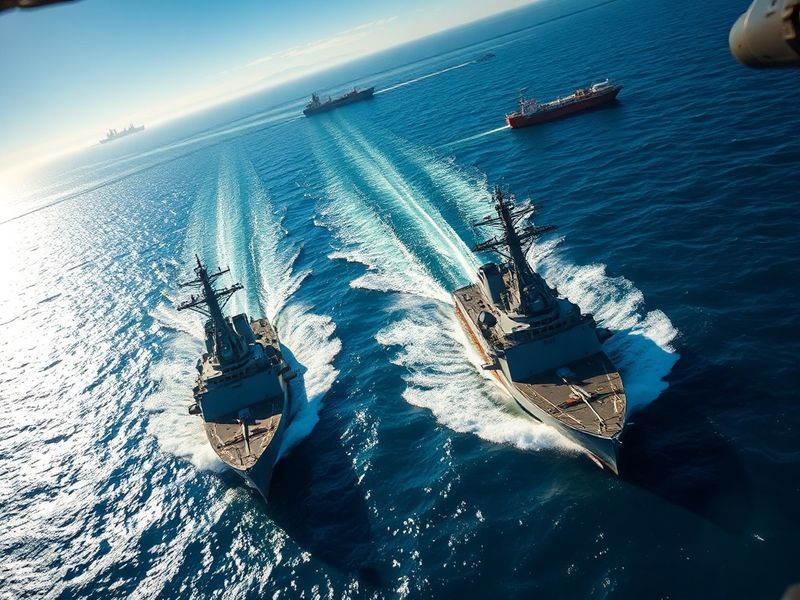
The Strait of Hormuz remains one of the world’s most critical maritime chokepoints, and recent movements by U.S. warships through the region have drawn international attention. These crossings are not merely routine patrols; they carry significant geopolitical weight, reflecting broader security concerns in the Middle East.
Why the Strait of Hormuz Matters
The Strait of Hormuz is a narrow waterway between Oman and Iran, through which approximately 20% of the world’s oil supply passes daily. Its importance cannot be overstated—disruptions here could send shockwaves through global energy markets. The U.S. has maintained a strong naval presence in the region for decades, but recent escalations with Iran have made these patrols a focal point of international scrutiny.
Tensions in the area have simmered for years, with incidents such as the 2019 attacks on oil tankers and the 2021 drone strike on a U.S. base in Iraq keeping nerves frayed. The U.S. Navy’s operations in the strait are framed as freedom of navigation exercises, but they also serve as a deterrent against Iranian aggression.
Key Factors Influencing Recent Crossings
Several factors contribute to the timing and significance of these U.S. warship movements:
- Regional Alliances: The U.S. has strengthened ties with Gulf states like Saudi Arabia and the UAE, which view Iran as a primary threat. These alliances often dictate naval deployments.
- Iran’s Nuclear Program: Negotiations over Iran’s nuclear ambitions have stalled, raising concerns about potential military escalation.
- Proxy Conflicts: The ongoing proxy wars in Yemen and Syria keep regional tensions high, with Iran-backed groups frequently clashing with U.S. allies.
- Global Energy Security: Any disruption in the Strait of Hormuz could destabilize oil markets, prompting the U.S. to assert its naval dominance.
The Broader Implications of U.S. Naval Presence
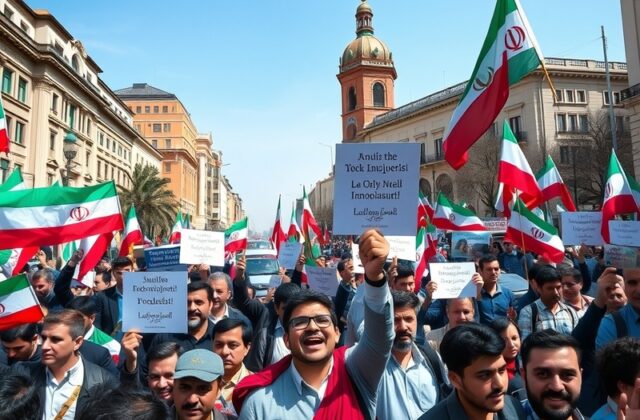
The U.S. Fifth Fleet, based in Bahrain, plays a central role in maintaining security in the Persian Gulf. Its operations are designed to ensure the free flow of commerce while countering Iranian maritime threats. However, these patrols are not without controversy. Iran has long viewed U.S. naval presence as an infringement on its sovereignty, often responding with aggressive maneuvers or rhetoric.
For the Biden administration, balancing deterrence with diplomacy remains a delicate task. While the U.S. seeks to prevent conflict, it must also reassure allies that it will not abandon the region. The recent warship crossings signal a commitment to stability, but they also risk provoking Iran at a time when diplomatic channels are fragile.
How Iran Responds to U.S. Naval Movements
Iran has a history of reacting strongly to U.S. military presence in the Gulf. In 2020, Iranian forces seized a British-flagged oil tanker in retaliation for the detention of an Iranian tanker in Gibraltar. Such incidents underscore the volatility of the region and the potential for miscalculation.
Iran’s naval forces, though smaller than the U.S. fleet, rely on asymmetric tactics—fast boats, mines, and missile systems—to counter superior U.S. firepower. This strategy keeps the U.S. on edge, as any confrontation could quickly spiral out of control.
What Comes Next?
The future of U.S. naval operations in the Strait of Hormuz will likely hinge on several key developments:
- Diplomatic Progress: If nuclear talks resume, the U.S. may adjust its military posture to ease tensions.
- Regional Stability: Efforts to de-escalate proxy conflicts in Yemen and Syria could reduce the need for large-scale U.S. naval deployments.
- Iran’s Calculus: Supreme Leader Khamenei’s willingness to engage in dialogue—or double down on defiance—will shape U.S. strategy.
- Global Oil Markets: If energy prices surge due to instability, the U.S. may feel compelled to reinforce its naval presence.
For now, the U.S. warships’ crossings serve as a reminder that the Strait of Hormuz remains a powder keg. While the patrols are framed as routine, their timing and context suggest a broader message: the U.S. is not backing down from its commitment to regional security.
A Look at Historical Context
The U.S. has patrolled the Persian Gulf since the 1980s, following the Tanker Wars during the Iran-Iraq conflict. These operations were further intensified after the 1991 Gulf War and the 2003 Iraq War. Each era brought new challenges, from piracy to nuclear proliferation, but the underlying goal remained the same: preventing Iran from dominating the region.
Today, the stakes feel higher than ever. With China and Russia expanding their influence in the Middle East, the U.S. faces competition for strategic dominance. The Strait of Hormuz is more than a chokepoint—it’s a battleground for global power.
As the U.S. continues its naval patrols, the world watches closely. Will these movements deter aggression, or will they provoke a crisis? The answer may define the next chapter of Middle Eastern geopolitics.
Conclusion: Stability Hangs in the Balance
The recent U.S. warship crossings through the Strait of Hormuz are a calculated display of military strength, but they also highlight the fragility of peace in the region. With global energy markets and diplomatic relations hanging in the balance, the stakes could not be higher.
For policymakers and analysts, the challenge is clear: how to balance deterrence with diplomacy in one of the world’s most volatile regions. The answer will shape not only the future of the Middle East but also the global energy landscape.
As tensions rise, the world must ask itself: Is the Strait of Hormuz on the brink of another crisis, or can diplomacy prevail? Only time will tell.
For more analysis on global military movements, visit our News and Analysis sections.