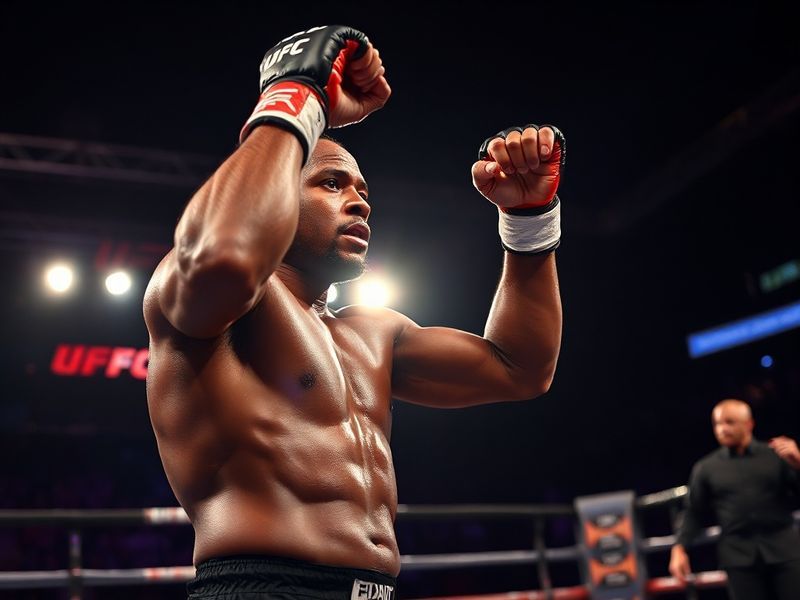
Few figures in mixed martial arts have left as indelible a mark both inside and outside the cage as Daniel Cormier. A two-time Olympic wrestler and former UFC champion, Cormier transitioned from elite competitor to one of the most respected voices in combat sports broadcasting. His journey reflects dedication, adaptability, and an unmistakable authenticity that resonates with fans worldwide.
Beyond his athletic achievements, Cormier has become a cultural touchstone in MMA, bridging the gap between fighter and analyst with rare credibility. His sharp insights, unfiltered commentary, and deep technical understanding have redefined how audiences experience the sport. In this profile, we explore the pillars of his legacy—his athletic career, broadcasting career, and lasting influence on MMA culture.
From Olympic Dreams to UFC Glory
Born in 1979 in Lafayette, Louisiana, Daniel Cormier’s path to greatness began on the wrestling mat. He became a three-time NCAA Division I All-American at Oklahoma State University, where he developed a reputation for relentless intensity and technical precision. His collegiate success earned him a spot on the 2004 and 2008 U.S. Olympic wrestling teams, cementing his status as one of the top American wrestlers of his generation.
After falling short in Olympic qualification for Beijing in 2008, Cormier pivoted to mixed martial arts—a move that surprised many but ultimately showcased his adaptability. He made his professional MMA debut in 2009 at the age of 30, a late start in a sport dominated by younger athletes. Yet, his wrestling pedigree and fight IQ allowed him to rise rapidly.
Cormier compiled a 15-2 record in regional promotions before signing with the UFC in 2013. His debut at UFC 173 saw him submit Roy Nelson in the first round, announcing his arrival on the biggest stage. Over the next five years, he became a two-division champion, holding titles in both the light heavyweight and heavyweight divisions—a feat matched by only a handful of fighters.
Championship Reign and Rivalries
Cormier’s first title shot came in 2015 against Anthony Johnson at UFC 187. Johnson, a massive knockout artist, was heavily favored. Yet Cormier dominated with his wrestling and top control, forcing a submission in the third round. This victory launched him into the UFC’s upper echelon and set the stage for one of the most storied rivalries in modern MMA: his trilogy with Jon Jones.
Though Cormier never defeated Jones in the cage—due in part to controversial decisions and a failed drug test that stripped a victory—his efforts kept the light heavyweight division electrified for years. Their fights were masterclasses in technique and strategy, drawing massive pay-per-view audiences and solidifying Cormier as a pay-per-view draw.
In 2019, at age 40, Cormier moved up to heavyweight and captured the UFC Heavyweight Championship with a first-round knockout of Stipe Miocic at UFC 241. The victory made him only the second fighter in UFC history to hold titles in two weight classes simultaneously. His heavyweight title reign, though brief, further cemented his place among the sport’s all-time greats.
Broadcasting Breakthrough and Cultural Impact
Cormier’s retirement in 2020 marked the beginning of a new chapter—not as a competitor, but as a commentator. His transition to broadcasting was met with skepticism by some purists who doubted a former fighter could translate their insights effectively. Yet, his debut on ESPN’s MMA Live and later UFC on ESPN broadcasts proved transformative.
What set Cormier apart was his authenticity. He spoke like a fighter, reacted like a fan, and analyzed like a scholar. His catchphrases—“kill the double leg,” “this is the power of the Cormier”—became cultural shorthand within the MMA community. More importantly, his commentary added depth to fights, breaking down grappling sequences and fight strategies in ways accessible to casual viewers.
A New Voice in Sports Media
Cormier’s broadcasting style bridged the gap between technical analysis and entertainment. He didn’t just describe what he saw—he explained why it happened, drawing on his years of experience. His chemistry with co-hosts like Max Kellerman and Brian Ortega humanized the broadcast, making complex fights feel immediate and personal.
This approach didn’t just resonate with fans—it redefined expectations for MMA commentary. Networks began prioritizing fighters-turned-analysts, recognizing the value of insider perspective. Cormier’s success helped pave the way for others like Israel Adesanya and Daniel Cormier’s longtime rival Jon Jones to enter the commentary booth.
Beyond commentary, Cormier has become a brand ambassador for the UFC and a vocal advocate for fighter rights. He has used his platform to address issues like pay disparities, medical coverage, and fighter safety—topics often overlooked in mainstream sports media.
Legacy and Future Influence
Daniel Cormier’s legacy is still being written, but his impact is undeniable. He remains one of the most recognizable figures in MMA, a testament to his charisma, skill, and authenticity. His transition from fighter to analyst has redefined how audiences consume the sport, proving that credibility and relatability matter just as much as credentials.
Looking ahead, Cormier’s influence is likely to grow. He has expressed interest in coaching, potentially mentoring the next generation of wrestlers-turned-MMA fighters. There’s also speculation about a return to broadcasting, possibly in a larger media role or even as a lead announcer for major events.
What’s certain is that Cormier has transcended the role of a mere commentator. He is now a cultural figure whose voice shapes the narrative of MMA. Whether breaking down a split decision or advocating for fighter welfare, Cormier brings a level of insight and passion that few can match.
Lessons from the Cormier Blueprint
For aspiring athletes and broadcasters alike, Cormier’s career offers several key lessons:
- Adaptability matters: Cormier’s shift from wrestling to MMA—and later from fighter to commentator—shows the value of reinvention.
- Authenticity builds trust: Fans connect with voices that feel genuine, not scripted.
- Technical knowledge elevates content: His wrestling background gave his analysis substance, not just style.
- Platforms can be used for change: Beyond entertainment, Cormier has leveraged his influence for advocacy.
As MMA continues to evolve, Daniel Cormier’s role as a bridge between eras ensures his relevance. He represents the best of what a fighter can become—a champion, a voice, and a leader.
In an era where athletes are increasingly expected to be more than just competitors, Cormier has shown how to turn influence into impact. His journey is far from over, and the sport is better for it.