Czechia’s Historic Roots and Modern Identity
For centuries, the territory now known as Czechia has been a crossroads of European history, culture, and innovation. The region’s story begins with the Celts in the 4th century BCE, followed by the arrival of Germanic tribes and later the Slavic people who would establish the foundations of Czech identity. The Duchy of Bohemia emerged in the 9th century, becoming a cornerstone of the Holy Roman Empire and later the Austro-Hungarian Empire.
After World War I, Czechoslovakia was born as an independent state, uniting Czechs and Slovaks under one banner. The name “Czechia” itself is derived from the ethnonym of the Czech people, rooted in the Slavic word for “people” or “tribe.” While the country officially adopted “Czech Republic” as its long-form name after the 1993 dissolution of Czechoslovakia, the shorter “Czechia” was reintroduced in 2016 to modernize its global identity. This subtle shift reflects both tradition and progress—a duality that defines Czech culture today.
The Cultural Mosaic of Czechia
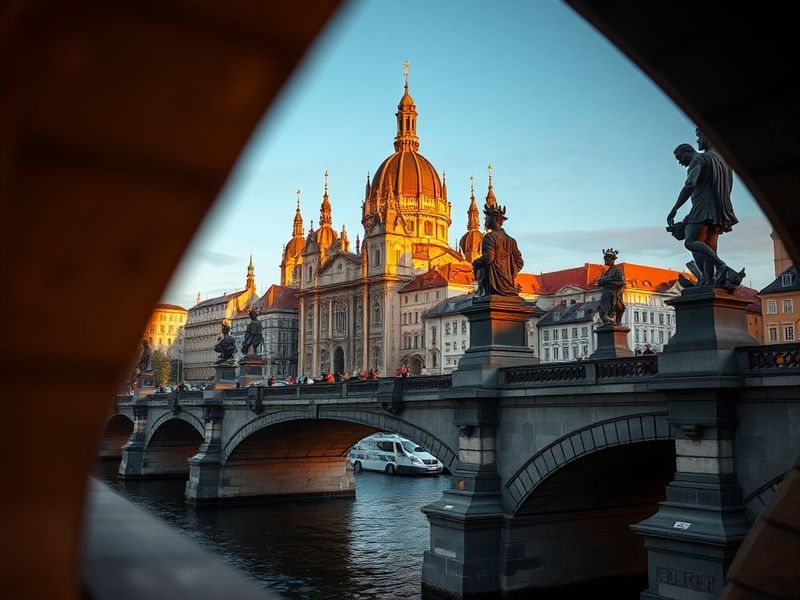
Czechia’s cultural footprint extends far beyond its borders, shaped by a history of religious tolerance, artistic brilliance, and intellectual curiosity. Prague, the capital, is often celebrated as one of Europe’s most stunning cities, with its Gothic spires, Baroque palaces, and Art Nouveau facades. The city’s Old Town Square and Charles Bridge are not merely tourist attractions but living testaments to the region’s architectural evolution.
Literature and music have long flourished in Czechia. Franz Kafka, though born in Prague when it was part of the Austro-Hungarian Empire, wrote in German yet remains one of the most influential writers in Czech literary history. His surreal and existential works continue to inspire global audiences. Meanwhile, composers like Antonín Dvořák and Bedřich Smetana elevated Czech classical music to international prominence, blending folk traditions with symphonic grandeur.
The country’s culinary traditions also tell a story of resilience and adaptation. Czech cuisine, often misunderstood as merely hearty and heavy, is a reflection of Central Europe’s agricultural roots. Dishes like svíčková (marinated beef in cream sauce) and guláš (goulash) are staples, but modern Czech chefs are reimagining these classics with contemporary techniques. The country’s beer culture is equally legendary, with Czechia boasting the highest beer consumption per capita in the world. Breweries like Pilsner Urquell in Plzeň revolutionized lager brewing in the 19th century, and today, craft beer scenes thrive in cities like Prague and Brno.
Czechia in the Global Economy
Beyond its cultural contributions, Czechia plays a significant role in the global economy, particularly in manufacturing, technology, and automotive industries. The country is home to major international companies, including Škoda Auto, which has been a subsidiary of Volkswagen Group since 1991. Škoda’s vehicles, designed and engineered in Czechia, are exported worldwide, symbolizing the country’s blend of precision engineering and affordability.
Czechia is also a hub for advanced manufacturing, particularly in aerospace and machinery. The city of Brno hosts the headquarters of companies like Zetor Tractors and TOS Kuřim, which supply agricultural and industrial equipment globally. The country’s strategic location in Central Europe makes it a key player in European supply chains, connecting Western and Eastern markets.
In recent years, Czechia has also become a growing destination for foreign investment, particularly in technology and IT services. Prague’s “Silicon Valley of Europe” moniker is no exaggeration, as multinational firms like Google, IBM, and Microsoft have established research and development centers in the city. This influx of tech talent has fostered a vibrant startup ecosystem, with Prague ranking among Europe’s top cities for innovation.
A Tourist’s Paradise with Underrated Appeal
While Prague often steals the spotlight, Czechia’s true charm lies in its diversity. The country boasts 12 UNESCO World Heritage Sites, ranging from the historic spa town of Karlovy Vary to the medieval village of Český Krumlov, a fairy-tale setting that feels frozen in time. The Bohemian Switzerland National Park offers breathtaking sandstone formations and hiking trails, while the Moravian wine region produces some of Central Europe’s finest vintages.
For travelers seeking authenticity, Czechia delivers. Unlike some European destinations overwhelmed by mass tourism, Czechia retains pockets of quiet elegance. The town of Český Krumlov, with its winding river and hilltop castle, is a UNESCO gem that feels worlds away from the crowds. Similarly, the spa towns of West Bohemia, such as Mariánské Lázně and Františkovy Lázně, offer a glimpse into the country’s 19th-century Belle Époque charm.
Czechia’s affordability also makes it an attractive destination. Compared to Western Europe, visitors can enjoy world-class dining, accommodations, and attractions at a fraction of the cost. This value proposition has contributed to a steady rise in tourism, particularly among millennials and digital nomads looking for a mix of culture, history, and affordability.
Challenges and Opportunities on the Horizon
Despite its many strengths, Czechia faces challenges that could shape its future. Demographically, the country grapples with an aging population and a shrinking workforce, a common issue among Central European nations. Efforts to attract foreign talent and streamline immigration policies are underway, but progress has been slow.
Environmental concerns also loom large. Like much of Europe, Czechia is working to transition to renewable energy sources and reduce its reliance on coal. The government has set ambitious targets for carbon neutrality by 2050, but balancing economic growth with sustainability remains a delicate task.
Politically, Czechia has experienced its share of turbulence. The country’s relationship with the European Union has been tested at times, particularly under the leadership of former Prime Minister Andrej Babiš. However, recent elections have signaled a shift toward pro-European policies, aligning Czechia more closely with its Western neighbors.
Yet, these challenges are met with resilience. Czechia’s history is one of adaptation and reinvention, from surviving the upheavals of the 20th century to reinventing itself as a modern, forward-thinking nation. The country’s ability to balance tradition with innovation will be key to its continued success on the global stage.
A Final Reflection on Czechia’s Global Footprint
Czechia may be small in size, but its influence is anything but. From the literary genius of Kafka to the engineering prowess of Škoda, from the medieval charm of Český Krumlov to the cutting-edge tech hubs of Prague, Czechia is a study in contradictions—traditional yet modern, rural yet urban, historic yet dynamic. It is a country that has repeatedly reinvented itself while staying true to its roots.
As the world becomes increasingly interconnected, Czechia’s role as a bridge between East and West, tradition and innovation, will only grow. Whether you’re drawn by its history, its culture, or its economic opportunities, Czechia offers a depth of experience that belies its modest size. It is, in every sense, a hidden gem worth exploring.
For those eager to dive deeper into Czechia’s cultural and historical landscape, Culture and Travel sections on Dave’s Locker provide curated insights and recommendations. Whether you’re planning a visit or simply curious about this fascinating country, there’s always more to discover in Czechia.