Monte Carlo Masters: The Ultimate Clay-Court Showdown
“`html
Monte Carlo Masters: Where Clay Meets Prestige in Tennis
The Monte Carlo Masters, officially known as the Rolex Monte-Carlo Masters, stands as one of tennis’s most storied tournaments. Held annually on the clay courts of the Monte Carlo Country Club in Roquebrune-Cap-Martin, France, the event blends athletic excellence with unparalleled glamour. It is the first of three ATP Masters 1000 events played on clay each year, serving as a crucial warm-up for the French Open.
The tournament’s rich history spans over a century, with roots dating back to 1897. It has grown from a local gathering of European elites into a global spectacle, attracting the world’s top players and millions of viewers. The event’s unique atmosphere—set against the backdrop of the French Riviera—offers a rare fusion of sport and sophistication.
For players, winning in Monte Carlo is more than just adding another title to their resume. It’s a statement of dominance on the red dirt, a surface that separates the masters from the contenders. The tournament’s slow, tactical rallies and strategic depth make it a proving ground for the sport’s finest clay-court specialists.
The Tournament’s Unique Legacy and Atmosphere
The Monte Carlo Masters occupies a singular place in professional tennis. Unlike other Masters 1000 events, it is the only one that does not mandate player participation, yet its prestige ensures nearly every top seed competes. This voluntary attendance underscores the event’s prestige and the respect it commands within the sport.
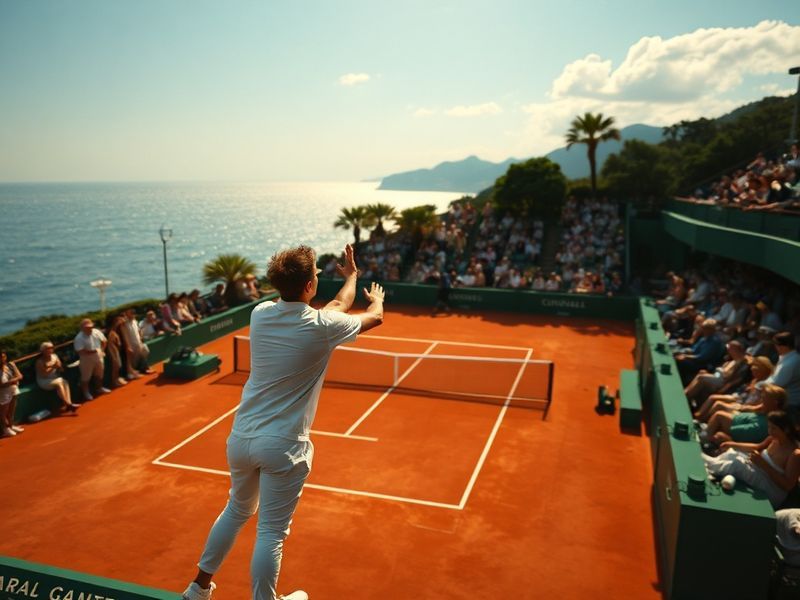
The tournament’s location adds to its allure. Nestled along the Mediterranean coastline, the Monte Carlo Country Club offers breathtaking views of the sea and the cliffs of Monaco. The setting elevates the event beyond mere sport, transforming it into a social and cultural experience. Attendees enjoy not only world-class tennis but also fine dining, luxury hospitality, and the vibrant nightlife of the French Riviera.
The tournament’s centerpiece is the court Philippe Chatrier, named after the legendary French tennis figure. With a capacity of over 10,000, it hosts the most anticipated matches, including quarterfinal and semifinal showdowns. The atmosphere here is electric, with fans packing the stands to witness history in the making.
Another defining feature is the tournament’s commitment to tradition. The Rolex Masters Monte-Carlo maintains rituals that honor its past, such as the opening ceremony and the presentation of the trophy to the champion. These moments reinforce the event’s legacy while celebrating its future.
Key Factors That Define Success in Monte Carlo
Winning at Monte Carlo requires more than raw power or athleticism. The clay surface demands patience, precision, and tactical acumen. Players must adapt their game to the slower conditions, relying on heavy topspin, deep groundstrokes, and impeccable footwork. Here are the key factors that separate champions from the field:
- Topspin Mastery: The clay in Monte Carlo rewards players who can generate heavy topspin, particularly off the forehand side. This spin pushes opponents deep behind the baseline, opening up the court for winners.
- Serve Placement: While not the fastest surface, Monte Carlo rewards well-placed serves, especially wide serves that pull opponents off the court. Aces are rare, but service winners are common.
- Defensive Prowess: Long rallies are inevitable on clay. Players must excel in retrieving balls, extending points, and converting break chances. Defensive specialists often thrive here.
- Mental Fortitude: The slow pace of points tests players’ patience and focus. Those who can stay composed during marathon rallies and capitalize on key moments tend to prevail.
- Adaptability: Conditions can shift throughout the tournament. Players must adjust their game plan based on the weather, humidity, and the playing style of their opponents.
Historically, players with a strong all-court game have thrived in Monte Carlo. Legends like Rafael Nadal, Björn Borg, and Juan Carlos Ferrero have dominated the event, showcasing the importance of versatility. Even modern stars like Novak Djokovic and Stefanos Tsitsipas have adapted their styles to conquer the red dirt.
The Broader Impact of Monte Carlo on the ATP Tour
The Monte Carlo Masters is more than just a warm-up for Roland Garros—it shapes the trajectory of the ATP Tour. Its outcomes often influence player confidence, rankings, and even Grand Slam preparation. A strong performance in Monte Carlo can propel a player into the French Open with momentum, while a disappointing result may force a late adjustment in strategy.
The tournament also serves as a barometer for the clay-court season. Players who excel in Monte Carlo typically carry that form into Barcelona, Madrid, and Rome, setting the stage for a successful clay swing. Conversely, those who struggle may face an uphill battle in the lead-up to Roland Garros.
Beyond the court, the Monte Carlo Masters plays a significant role in the global growth of tennis. Its international television coverage and star-studded guest lists attract sponsors and broadcasters, ensuring the sport reaches new audiences. The event’s association with luxury brands like Rolex also elevates tennis’ profile in the realms of fashion and lifestyle.
The tournament’s influence extends to grassroots tennis as well. The Monte Carlo Country Club Foundation supports youth tennis programs in the region, fostering the next generation of players. This commitment to development ensures the event’s legacy extends beyond its fortnight of competition.
What to Watch For in the Next Edition
As the 2024 Monte Carlo Masters approaches, anticipation is building. The field is stacked with talent, and the question on everyone’s mind is: Who will rise to the occasion? Defending champion Andrey Rublev will look to repeat his success, while rising stars like Carlos Alcaraz and Jannik Sinner aim to claim their first title in Monte Carlo.
One storyline to watch is the generational shift in men’s tennis. With Nadal’s dominance waning and a new wave of players emerging, the tournament could serve as a passing-of-the-torch moment. A breakthrough performance by a young player might signal the start of a new era on clay.
Another factor is the surface itself. Recent renovations to the courts have improved playability, offering a slightly faster surface than in past years. This change could benefit aggressive baseliners and serve-and-volley specialists, adding unpredictability to the draw.
For fans, the Monte Carlo Masters offers a rare blend of high-stakes tennis and off-court extravagance. Whether you’re watching from the stands or on television, the event delivers drama, beauty, and unforgettable moments.
As the sun sets over the French Riviera and the lights illuminate the court Philippe Chatrier, one thing is certain: the Monte Carlo Masters remains a jewel in tennis’s crown. It is where legends are made, traditions are honored, and the future of the sport is written in the red clay.
For more insights into the world of tennis and its biggest events, explore our Sports and Analysis categories on Dave’s Locker.