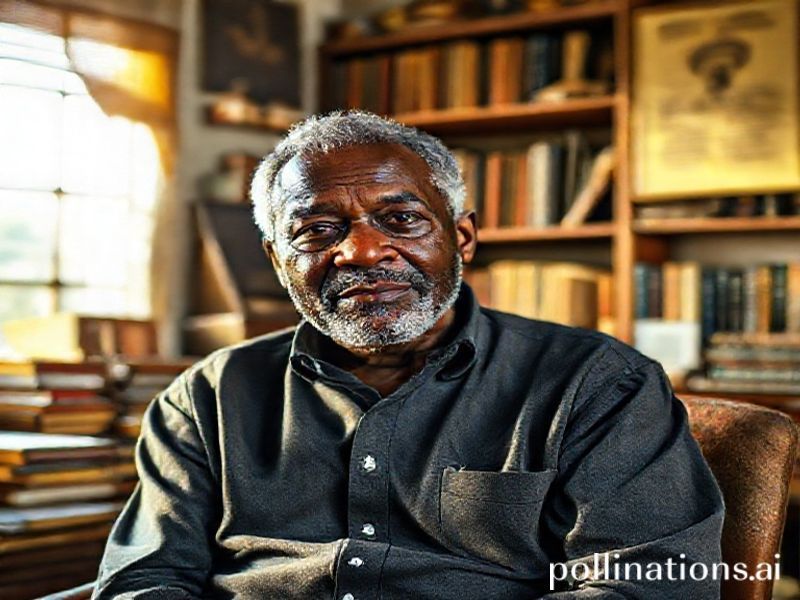
Dominic Smith is one of Australia’s most compelling contemporary artists, whose work bridges cultural divides while challenging traditional artistic conventions. Born in 1971 in Sydney, Smith has spent decades refining a visual language that blends abstraction, cultural symbolism, and a deep engagement with materiality. His paintings, sculptures, and installations have been exhibited in major galleries across Australia, Asia, Europe, and the United States, earning him international recognition as a thought leader in the global art scene.
What sets Smith apart is his ability to weave Indigenous Australian narratives into a contemporary visual lexicon without resorting to didactic storytelling. Instead, his work invites viewers into a sensory experience—one that resonates with emotional depth and intellectual curiosity. Over the years, Smith’s art has evolved from early experiments with form and texture to a more refined exploration of light, space, and cultural memory. Today, he stands as a pivotal figure in redefining how Australian art is perceived on the world stage.
The Early Years: From Sydney to the Global Stage
Dominic Smith’s artistic journey began in the culturally vibrant suburbs of Sydney during the 1980s and 1990s. This was a period marked by significant shifts in Australian art, as artists increasingly sought to challenge colonial narratives and assert Indigenous perspectives. Smith, who is of European and Indigenous Australian descent, grew up navigating these complex cultural intersections. His early exposure to both Western and Indigenous artistic traditions laid the foundation for his unique approach to contemporary art.
After completing his Bachelor of Fine Arts at the National Art School in Sydney, Smith began exhibiting in local galleries, quickly gaining attention for his bold use of color and unconventional materials. His early works often featured layered textures and abstract forms, drawing inspiration from both the Australian landscape and his personal experiences. By the late 1990s, his reputation had grown, and he was invited to participate in group exhibitions across Australia and New Zealand.
Smith’s breakthrough came in the early 2000s when he was selected for the prestigious Arts & Culture program at the Museum of Contemporary Art Australia. This exposure led to international opportunities, including residencies in Berlin and Tokyo, where he engaged with artists from diverse backgrounds. These experiences broadened his artistic vocabulary, infusing his work with global influences while maintaining a distinctly Australian sensibility.
Artistic Style and Cultural Significance
Dominic Smith’s artistic style is difficult to categorize, as it transcends traditional boundaries between abstraction and representation. His paintings often feature organic, fluid forms that evoke natural landscapes, while his sculptures incorporate found materials and industrial elements, creating a dialogue between nature and human intervention. This duality reflects Smith’s interest in the tension between tradition and modernity—a theme that resonates deeply within contemporary art.
One of Smith’s most notable techniques is his use of ochre, a natural pigment traditionally used by Indigenous Australians in ceremonial practices. By incorporating ochre into his paintings, Smith pays homage to his heritage while simultaneously exploring its aesthetic potential in a contemporary context. This approach has not only elevated his work but has also sparked conversations about the role of Indigenous materials in global art.
Smith’s work is also distinguished by its emotional resonance. Whether through the warm, earthy tones of his paintings or the tactile quality of his sculptures, his art invites viewers to engage with their senses. This sensory experience is intentional, as Smith believes that art should not merely be observed but felt. His ability to evoke such a response has made his work highly sought after in both private collections and public institutions.
Key Themes in Smith’s Work
Smith’s art is deeply rooted in exploration of several recurring themes:
- Cultural Memory: Smith often revisits the idea of cultural memory, particularly the ways in which Indigenous Australian histories are preserved and reinterpreted. His work challenges viewers to consider how the past informs the present.
- Nature and Landscape: The Australian landscape is a recurring motif in Smith’s art, though he approaches it with a contemporary lens, often abstracting natural forms to evoke a sense of both familiarity and alienation.
- Materiality and Process: Smith’s use of unconventional materials—such as ochre, rusted metal, and resin—highlights the importance of process in art-making. His works often bear the marks of their creation, inviting viewers to consider the labor and intention behind each piece.
- Global Dialogues: Through his international residencies and exhibitions, Smith engages in a global dialogue, bridging cultural divides and fostering cross-cultural understanding through art.
Exhibitions and International Recognition
Dominic Smith’s work has been showcased in some of the world’s most prestigious galleries and museums. His first major international exhibition was held at the Art Gallery of New South Wales in 2005, where his paintings received critical acclaim for their boldness and emotional depth. Since then, Smith has exhibited in cities such as London, Paris, Berlin, and Tokyo, solidifying his reputation as a global artist.
In 2018, Smith was commissioned to create a large-scale installation for the Sydney International Art Fair, which drew thousands of visitors and further cemented his status as a leading figure in contemporary art. His work has also been featured in prominent art fairs, including Art Basel Miami and Arts Sydney, where collectors and critics alike have praised his innovative approach.
Beyond exhibitions, Smith has been the recipient of numerous awards, including the Australia Council for the Arts Fellowship and the Blake Prize for Religious Art. These accolades reflect not only the quality of his work but also its cultural significance. Smith’s art is celebrated not just for its aesthetic appeal but for its ability to provoke thought and inspire dialogue about identity, history, and belonging.
The Future of Dominic Smith’s Art
As Dominic Smith continues to evolve as an artist, his work shows no signs of slowing down. He is currently working on a new series of paintings that explore the intersection of digital technology and traditional art-making. This project, which involves the use of augmented reality, aims to create an immersive experience for viewers, blending physical and digital realms.
Smith is also increasingly focused on mentoring the next generation of artists, particularly those from Indigenous backgrounds. Through workshops and collaborations, he seeks to foster a more inclusive art world, one that values diverse perspectives and encourages experimentation. His commitment to education and community engagement underscores his belief in art as a tool for social change.
Looking ahead, Smith’s work will likely continue to challenge and inspire. As contemporary art becomes increasingly globalized, artists like Smith play a crucial role in shaping its future. His ability to navigate cultural complexities while maintaining a strong artistic voice positions him as a key figure in the ongoing evolution of contemporary art.
Conclusion: A Lasting Legacy
Dominic Smith’s contributions to contemporary art are both profound and multifaceted. Through his innovative use of materials, his exploration of cultural identity, and his commitment to fostering global dialogues, he has carved out a unique space in the art world. Smith’s work transcends geographical and cultural boundaries, offering viewers a chance to engage with art on a deeply personal level.
As Australia’s global presence in the art world continues to grow, artists like Dominic Smith will undoubtedly play a pivotal role in defining its future. His ability to balance tradition with innovation ensures that his work will remain relevant for generations to come. For those interested in contemporary art, Smith’s oeuvre is not just worth exploring—it’s essential.