How Miu Miu Quietly Became Fashion’s Most Influential Brand
“`html
Miu Miu: The Quiet Powerhouse Redefining Contemporary Fashion
Miu Miu has quietly ascended to become one of the most influential forces in contemporary fashion. While Prada often commands headlines, its sister label—founded in 1993 by Miuccia Prada—operates with a distinct voice, blending youthful rebellion with timeless sophistication. It’s a brand that doesn’t shout, but rather whispers in ways that reverberate across runways, street style, and pop culture.
The label’s ascent reflects broader shifts in how luxury fashion engages with new generations. Miu Miu has mastered the art of cultural translation: it borrows from high fashion, filters it through a playful, subversive lens, and delivers it to a demographic eager for self-expression. This approach has made it a favorite among Gen Z and millennial consumers, who see it not just as clothing, but as a form of identity.
The Origins and Evolution of Miu Miu
Miu Miu was born out of Miuccia Prada’s desire to explore a more personal, experimental side of fashion. Named after her childhood nickname, the brand began as an offshoot of Prada, offering a younger, edgier alternative to the house’s minimalist aesthetic. Early collections featured exaggerated proportions, bold prints, and a playful mix of fabrics—elements that would become hallmarks of the label’s identity.
In the decades since its launch, Miu Miu has evolved from a niche secondary line into a stand-alone powerhouse. Its evolution mirrors the transformation of luxury fashion itself—shifting from exclusivity to accessibility, from tradition to innovation. The brand’s ability to balance heritage with disruption has kept it relevant in an industry often criticized for stagnation.
Key moments in Miu Miu’s history include:
- 2000s: The rise of the “Miu Miu girl”—a figure characterized by her effortless cool, vintage-inspired silhouettes, and mix of high and low fashion.
- 2010s: The introduction of the brand’s iconic ballet flats, which became a global phenomenon and a staple in wardrobes worldwide.
- 2020s: A strategic pivot toward digital-first storytelling, leveraging social media and influencer collaborations to connect with younger audiences.
Why Miu Miu Resonates With a New Generation
Miu Miu’s appeal lies in its refusal to take itself too seriously. While other luxury brands chase solemnity and exclusivity, Miu Miu embraces irony, nostalgia, and a healthy dose of irreverence. Its collections often reference past decades—’70s bohemianism, ’90s minimalism, Y2K maximalism—reinterpreting them for a contemporary audience.
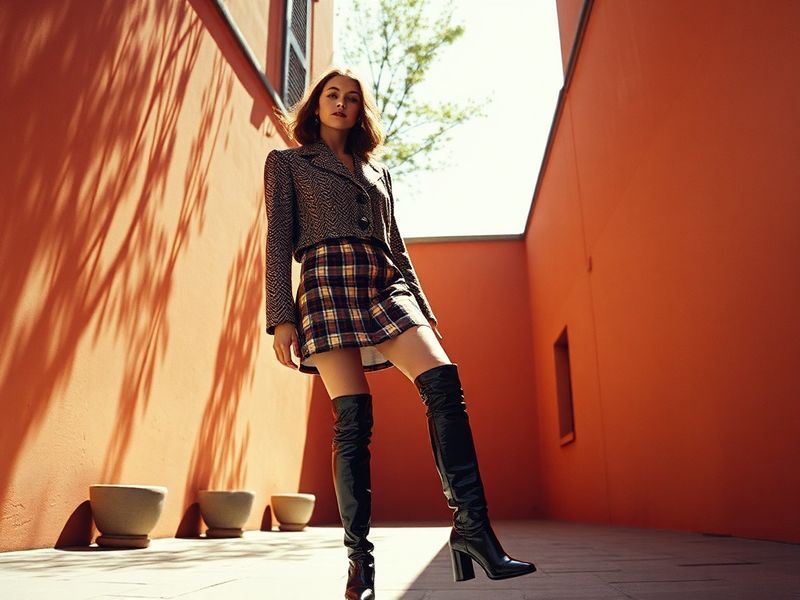
This nostalgic yet fresh approach aligns perfectly with Gen Z’s relationship with fashion. Unlike millennials, who grew up with fast fashion as the default, Gen Z views clothing as a form of self-expression and digital curation. Miu Miu’s pieces—whether a ruffled miniskirt or a deconstructed blazer—are designed to be photographed, shared, and remixed across platforms. It’s a brand built for the algorithm.
The brand’s collaboration strategy further cements its cultural relevance. Past partnerships with brands like New Balance and even fast-fashion giant H&M have blurred traditional luxury boundaries, making Miu Miu feel both aspirational and attainable. These moves reflect a broader industry trend: luxury is no longer about unattainable exclusivity, but about creating accessible moments of desire.
The Broader Implications for the Fashion Industry
Miu Miu’s success offers a case study in how legacy fashion houses can adapt without losing their soul. In an era where consumers demand authenticity, sustainability, and relevance, Miu Miu has managed to tick all three boxes—at least partially. Its use of deadstock fabrics and focus on timeless designs over fleeting trends aligns with growing consumer demand for responsible fashion.
Yet, the brand’s influence extends beyond its collections. Miu Miu has redefined what it means to be a “luxury” label in the 21st century. It proves that heritage doesn’t have to mean stagnation, and that playfulness can coexist with prestige. This shift is critical as the industry grapples with declining engagement among younger consumers. Brands that cling to rigid traditions risk irrelevance, while those that embrace evolution—like Miu Miu—thrive.
Moreover, Miu Miu’s digital-first strategy highlights the changing power dynamics in fashion marketing. Social media isn’t just a tool for promotion; it’s a space for co-creation. The brand’s TikTok and Instagram presence doesn’t just showcase products—it invites participation, encouraging users to reinterpret Miu Miu’s designs in their own ways. This participatory model is the future of fashion communication.
Looking Ahead: What’s Next for Miu Miu?
As Miu Miu continues to expand, its next frontier may lie in sustainability. The brand has already taken steps toward responsible fashion, but the industry’s scrutiny of greenwashing means it will need to be more transparent about its efforts. Consumers are increasingly demanding proof, not just promises.
Another area to watch is Miu Miu’s approach to gender. While the brand has traditionally catered to women, its unisex tailoring and gender-neutral campaigns suggest a potential shift toward a more inclusive model. This could position Miu Miu as a leader in the ongoing conversation about fashion’s role in breaking down traditional gender norms.
Finally, Miu Miu’s relationship with Prada will be pivotal. As the parent company navigates its own evolution—particularly under the leadership of co-CEO Raf Simons—Miu Miu’s autonomy may become a strength. A delicate balance between collaboration and independence could allow both brands to thrive without cannibalizing each other’s identities.
One thing is certain: Miu Miu’s story is far from over. In a fashion landscape dominated by noise and spectacle, it’s the quiet innovators who often leave the most lasting mark. Miu Miu isn’t just following trends—it’s setting them, one ruffled skirt and deconstructed blazer at a time.
For those interested in exploring more about contemporary fashion trends and industry shifts, visit Trending and Fashion on Dave’s Locker.