Europe’s Third-Largest Reservoir: A Man-Made Marvel
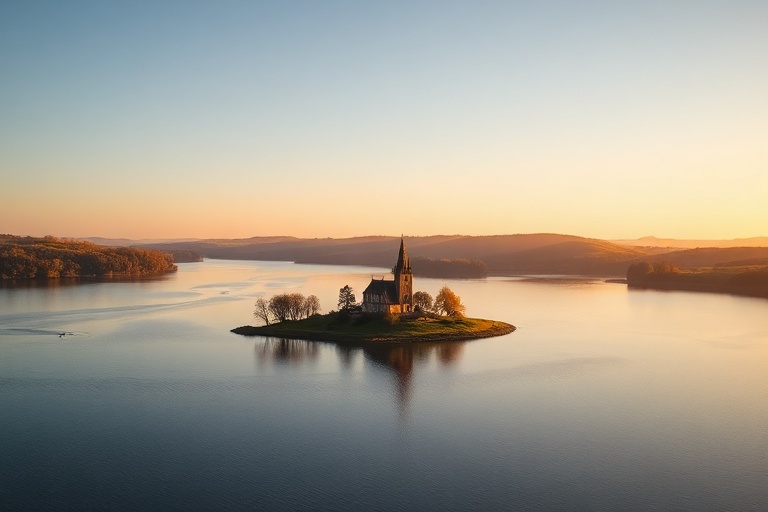
Nestled in the heart of England’s East Midlands, Rutland Water stands as Europe’s third-largest reservoir, a testament to human ingenuity and environmental stewardship. Completed in 1976, this vast body of water was created primarily to serve as a water supply for the region, but its influence extends far beyond utility. Spanning over 10.5 square kilometers, Rutland Water is now celebrated as a sanctuary for wildlife, a haven for outdoor enthusiasts, and a cultural touchstone for the local community.
The reservoir’s construction transformed the landscape, submerging three villages—Nether Hambleton, Middle Hambleton, and Egleton—beneath its tranquil surface. Yet, what emerged was not just a functional water source but a thriving ecosystem that attracts over 25,000 birds annually, including rare species like the ospreys that have made a triumphant return to the region. This dual role—as both a vital resource and a biodiversity hotspot—sets Rutland Water apart from other reservoirs across the continent.
The Osprey Comeback: A Symbol of Conservation Success
Perhaps the most compelling story tied to Rutland Water is the successful reintroduction of the osprey, a bird of prey that had vanished from England for over 150 years. In 1996, a pioneering translocation project, led by the Rutland Osprey Project, brought young ospreys from Scotland to Rutland Water, where they were released and encouraged to establish a breeding population.
The effort paid off spectacularly. By 2001, the first osprey chicks were born in Rutland, marking the species’ triumphant return to the English countryside. Today, the project boasts over 100 osprey chicks fledged since the program began, with many returning each spring to nest at Rutland Water. This success story has not only bolstered local conservation efforts but has also drawn international attention, inspiring similar projects across Europe and beyond.
The ospreys themselves have become cultural icons, featured in documentaries, local festivals, and even inspiring art installations. Their annual migration—from West Africa to Rutland Water—has become a symbol of resilience and the power of collective conservation action. Visitors to the reservoir can witness these majestic birds in action, particularly at the Rutland Water Nature Reserve, where viewing platforms and guided tours offer unparalleled opportunities to observe their fishing dives and nest-building rituals.
Beyond Birdwatching: Adventure and Leisure on the Water
Rutland Water is more than just a birdwatcher’s paradise; it is a playground for adventure seekers and leisure enthusiasts alike. The reservoir’s 25-mile shoreline provides the perfect setting for a wide range of outdoor activities, from cycling and hiking to sailing and fishing. The Rutland Water Cycling Route, a 23-mile loop around the reservoir, is a favorite among cyclists, offering stunning views of the water and surrounding countryside. The route is part of the National Cycle Network and caters to all skill levels, making it accessible to families and seasoned riders alike.
For those who prefer to stay on dry land, the Rutland Water Nature Reserve offers miles of scenic walking trails, including the popular Hambleton Peninsula, which juts out into the reservoir and provides panoramic views of the water. The reserve is also home to the Egleton Nature Reserve, a 320-acre site managed by the Leicestershire and Rutland Wildlife Trust. Here, visitors can explore wetlands, woodlands, and meadows teeming with wildflowers, butterflies, and other wildlife.
- Sailing and Watersports: The Rutland Sailing Club offers lessons and rentals for those looking to take to the water. The reservoir’s sheltered bays and steady winds make it an ideal spot for both beginners and experienced sailors.
- Fishing: Rutland Water is renowned for its trout fishing, with the reservoir stocked annually to support a thriving angling community. Permits are required, and the tranquil surroundings make it a perfect escape for fishing enthusiasts.
- Kayaking and Paddleboarding: Several outfitters provide rentals and guided tours, allowing visitors to explore the reservoir’s hidden coves and tranquil inlets at their own pace.
- Golf: The nearby Rutland Water Golf Club offers a challenging 18-hole course with sweeping views of the reservoir, blending sport with natural beauty.
A Cultural Hub: Festivals, Art, and Community Spirit
Rutland Water has also carved out a niche as a cultural hub, hosting a variety of events that draw visitors from across the UK and beyond. One of the most anticipated annual events is the Rutland Water Bird Fair, a celebration of birdwatching, conservation, and the natural world. Held every August, the fair features guided walks, talks by renowned ornithologists, and a marketplace brimming with wildlife-themed crafts and books. The event has grown significantly since its inception, reflecting the reservoir’s status as a global hotspot for bird enthusiasts.
Art and music also thrive in the shadow of Rutland Water. The Rutland Open Art Exhibition, held annually at the Oakham Enterprise Park, showcases the work of local and national artists, with many pieces inspired by the reservoir’s landscapes and wildlife. Meanwhile, the Rutland Water Music Festival brings together classical, jazz, and folk musicians for a series of open-air concerts set against the backdrop of the reservoir. These events not only enrich the local cultural scene but also foster a sense of community pride and connection to the land.
The reservoir’s influence extends into the culinary world as well. Local restaurants and cafes often feature dishes made with ingredients sourced from the surrounding farmland, including Rutland’s famous Stilton cheese and locally reared meats. The annual Rutland Food and Drink Festival celebrates the region’s gastronomic heritage, offering visitors a chance to sample everything from artisan cheeses to craft ales, all while enjoying the scenic beauty of the reservoir.
A Global Perspective: Lessons in Sustainable Development
From an international standpoint, Rutland Water serves as a model for how human-made reservoirs can coexist harmoniously with nature. Unlike many large-scale water projects that prioritize utility over ecology, Rutland Water demonstrates that reservoirs can be designed and managed to support biodiversity, recreation, and local economies simultaneously. This approach has drawn interest from environmentalists and policymakers worldwide, particularly in regions facing water scarcity and biodiversity loss.
For example, the reservoir’s management practices—such as controlled water levels, habitat restoration, and community engagement—have been studied by experts from countries like Australia, South Africa, and the United States, where similar projects are underway. The success of the osprey reintroduction program has also sparked conversations about rewilding and species reintroduction, proving that conservation efforts can yield tangible, long-term benefits.
Moreover, Rutland Water highlights the importance of balancing development with environmental stewardship. The reservoir’s creation displaced communities, a reminder of the trade-offs inherent in large-scale infrastructure projects. Yet, the subsequent transformation of the area into a thriving ecological and recreational space underscores the potential for redemption and renewal when sustainability is prioritized.
Preserving the Legacy: Challenges and Future Prospects
Despite its many successes, Rutland Water faces ongoing challenges. Climate change poses a significant threat, with rising temperatures and shifting weather patterns affecting water levels and wildlife habitats. Invasive species, such as the American signal crayfish, have also disrupted local ecosystems, outcompeting native species and altering the reservoir’s delicate balance.
Conservationists and local authorities are actively addressing these issues through monitoring programs, habitat restoration, and public awareness campaigns. The Rutland Osprey Project, for instance, continues to expand its efforts, with plans to introduce new nesting platforms and expand educational outreach to schools across the UK. Meanwhile, the Rutland Water Nature Reserve is implementing measures to control invasive species and restore native plant life, ensuring the reservoir remains a haven for biodiversity.
Looking ahead, Rutland Water’s legacy will depend on its ability to adapt to these challenges while maintaining its role as a model for sustainable development. For the local community, the reservoir is a source of pride and identity, a place where nature and human activity intersect in harmony. For visitors, it offers a glimpse into the power of conservation and the enduring allure of the natural world.
As Rutland Water celebrates its 50th anniversary in 2026, it stands as a testament to what can be achieved when vision, effort, and respect for the environment converge. Whether you’re drawn by the call of a migrating osprey, the thrill of watersports, or the quiet beauty of a lakeside walk, Rutland Water invites you to explore, discover, and connect—with nature, with community, and with the world around you.