How the Premier League Became the World’s Most-Watched Football League
“`html
The Premier League’s Rise to Global Prominence
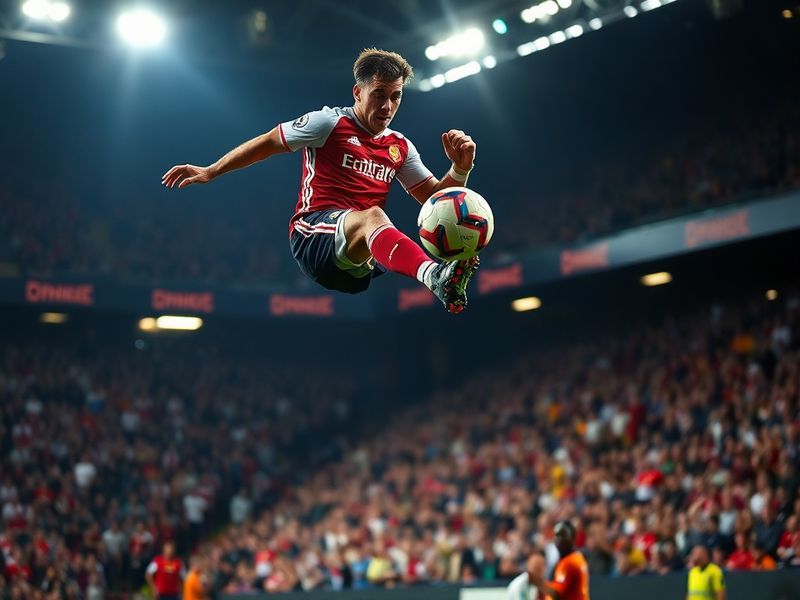
The Premier League stands as the most-watched football league in the world, a title it has held for decades. Since its inception in 1992, the league has transformed from a domestic competition into a global spectacle, captivating audiences across continents. The breakaway from the Football League was driven by financial ambition, and it succeeded beyond expectations. Broadcasters invested heavily, stadiums modernized, and the product on the pitch evolved into a relentless, high-energy spectacle.
This transformation wasn’t accidental. The Premier League’s appeal grew because it embraced entertainment alongside competition. Clubs like Manchester United, Liverpool, and Arsenal became household names far beyond England’s borders. Their success on the pitch translated into commercial power, with merchandise, video games, and media rights turning football into a year-round global industry. The league’s 38-game format, broadcast in over 200 territories, ensures almost every weekend features a match accessible to millions.
Cultural Impact: More Than Just a Sport
Football is woven into the cultural fabric of many nations, but the Premier League’s influence extends deeper than most. In Asia, for example, Premier League matches are among the most-watched sporting events annually. The league’s accessibility through streaming platforms has made it a daily ritual for fans in countries like India, Thailand, and China. Local leagues pale in comparison to the star power and narrative depth of the Premier League, where every club has a story—whether it’s Leicester City’s 2015-16 title win or the underdog struggles of promoted sides.
This cultural penetration isn’t limited to viewership. Fashion, language, and even lifestyle choices are influenced by the league. The famous “Welcome to London” mural outside Stamford Bridge reflects the club’s global identity, while phrases like “park the bus” (coined by José Mourinho) have entered everyday sports vocabulary. Even music and film have borrowed from the Premier League’s lexicon, embedding its phrases into pop culture beyond the pitch.
Grassroots Influence and Youth Development
Premier League clubs have become global youth academies, investing millions in academies to develop talent from a young age. The Elite Player Performance Plan (EPPP), introduced in 2012, formalized this approach, ensuring a structured pathway from academy to first team. Clubs like Manchester City and Chelsea have expanded their academies overseas, scouting talent in Africa and South America. This global scouting network has not only improved the quality of English football but also provided opportunities for players who might otherwise have been overlooked.
The impact is visible in the diversity of squads. Over 100 nationalities have been represented in the Premier League since its inception. Players like Mohamed Salah, Son Heung-min, and Erling Haaland bring their own cultural narratives, enriching the league’s identity. Their stories resonate with fans who see reflections of their own communities on the pitch.
Economic Powerhouse: The Business Behind the Beautiful Game
The Premier League is not just a sporting entity—it’s an economic powerhouse. In the 2022-23 season, the league generated over £5 billion in revenue. Broadcasting rights alone brought in £3.2 billion, with domestic deals alone worth £1.6 billion annually. This financial muscle allows clubs to spend record sums on transfers, wages, and infrastructure. Stadiums have been redeveloped, fan experiences enhanced, and community initiatives funded, all underpinned by the league’s economic model.
The league’s revenue-sharing model ensures financial competitiveness. Unlike some European leagues where wealth is concentrated among a few clubs, the Premier League distributes income more evenly. This has allowed mid-table clubs to compete financially with the traditional giants, at least in the short term. The result is a league where any team can beat any other on a given day, adding unpredictability that keeps fans engaged.
Investment and Ownership: A Global Affair
Ownership of Premier League clubs reflects the league’s global reach. American, Middle Eastern, and Asian investors have poured billions into English football. The Glazer family’s takeover of Manchester United in 2005, Sheikh Mansour’s investment in Manchester City, and the Saudi-led ownership of Newcastle United have all reshaped the financial landscape. These investments have brought modern facilities, global branding, and high-profile signings, but they have also sparked debates about commercialization and fan ownership.
The influx of foreign capital has raised questions about the league’s soul. Critics argue that the commercialization of football has eroded local identity, turning clubs into global brands at the expense of community ties. Others point to the increased competitiveness and financial stability these owners have brought. The tension between tradition and modernity remains a defining feature of the Premier League’s evolution.
Challenges and the Future: Sustainability and Competition
Despite its success, the Premier League faces challenges. Financial Fair Play (FFP) regulations have curbed excessive spending, but concerns persist about financial sustainability, especially as transfer fees and wages continue to rise. The introduction of the Premier League’s own spending rules has led to creative accounting practices, with some questioning whether the regulations are truly effective.
Competitiveness is another concern. With a few clubs consistently dominating the top four, the league risks becoming predictable. The gap between the “elite” and the rest has widened, despite revenue-sharing efforts. This has led to calls for stricter financial regulations or even a salary cap, though such measures remain contentious.
The future of the Premier League may also be shaped by technological and media changes. Streaming services like Amazon Prime and Netflix have entered the market, offering new ways to consume football. The league’s next broadcasting rights cycle will be crucial in determining whether it can maintain its global dominance in an increasingly fragmented media landscape.
Sustainability and Social Responsibility
The league has also faced scrutiny over its environmental impact and social responsibility. Clubs have committed to sustainability initiatives, such as reducing carbon footprints and promoting diversity. The Premier League’s “No Room For Racism” campaign and support for LGBTQ+ inclusion reflect a growing awareness of social issues. However, progress is uneven, and critics argue that more needs to be done to address these challenges meaningfully.
The next decade will be pivotal. The Premier League must balance its commercial success with social responsibility, ensuring that its global appeal does not come at the expense of its core values: competition, community, and integrity.
Conclusion: A League That Keeps Evolving
The Premier League’s journey from a domestic competition to a global phenomenon is a testament to its adaptability and appeal. It has transcended sport, becoming a cultural and economic force that shapes lives far beyond England’s shores. Its story is one of ambition, innovation, and relentless entertainment, but also of challenges and contradictions.
As the league evolves, it must navigate the complexities of modern football: financial sustainability, social responsibility, and maintaining competitiveness. For now, it remains a captivating spectacle, a weekly reminder of why football is more than just a game. Whether you’re a lifelong fan or a casual observer, the Premier League offers something for everyone—a drama that unfolds in real time, with stakes that matter to millions.
For those looking to dive deeper into the world of football, Sports and Analysis sections on Dave’s Locker offer further insights into the game’s global impact and behind-the-scenes stories.