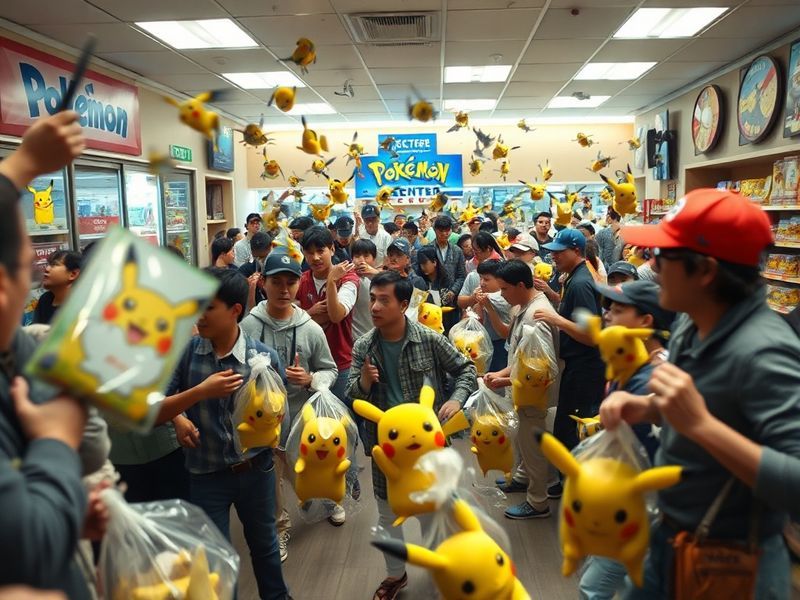
The familiar glow of Pikachu’s cheeks no longer signals just cuteness—it now marks the front lines of a retail revolution. Pokemon Centers across the United States are experiencing unprecedented crowds, long lines, and frustrated shoppers, a far cry from the orderly aisles of years past. What began as a niche fandom has exploded into mainstream retail chaos, leaving both customers and staff scrambling to adapt.
This isn’t just about a surge in demand for Pikachu plushies or rare trading cards. It’s a symptom of deeper shifts in consumer behavior, supply chain strain, and the unrelenting power of social media. As Pokemon Centers struggle to keep up, the situation reveals the fragile balance between nostalgia-driven commerce and modern retail realities.
The New Normal: Long Lines and Limited Stock
Walking into a Pokemon Center today is less like entering a nostalgic toy store and more like entering a pop-up concert venue. Stores that once operated smoothly now resemble crowded arcades, with customers waiting upwards of two hours just to enter. Staff members are stretched thin, scanning barcodes and restocking shelves at a frenetic pace.
The root of the problem lies in inventory mismanagement. Popular items like limited-edition plushies or new game releases sell out within minutes, leaving shelves barren while hordes of disappointed shoppers linger. Some locations have resorted to timed entry systems, while others have implemented strict one-item-per-customer policies—measures that feel more like emergency triage than retail strategy.
- Limited product allocation: Stores receive inconsistent shipments, often prioritizing online orders over in-store stock.
- Staffing shortages: High turnover and understaffing exacerbate the chaos, with employees struggling to manage crowds.
- Scalper interference: Bots and resellers exploit online drops, draining inventory before genuine fans can purchase anything.
The frustration is palpable. Longtime fans who remember the quiet aisles of the early 2000s now find themselves in a retail pressure cooker, battling scalpers and scarcity for a chance to buy merchandise they once took for granted.
The Role of Social Media: Fueling the Fire
Social media has transformed Pokemon Centers from quaint stops on a theme park tour into must-visit destinations. TikTok, Instagram, and YouTube have turned the act of visiting a Pokemon Center into a spectacle, with influencers documenting their haul and encouraging followers to do the same. What started as organic fan engagement has spiraled into a viral frenzy.
Platforms like TikTok thrive on scarcity and urgency. Videos titled “POKEMON CENTER HAUL” or “EVERYTHING I BOUGHT” generate millions of views, creating a feedback loop where demand outstrips supply. Stores that once relied on local foot traffic now cater to a global audience, many of whom travel specifically to visit a Pokemon Center and post about it online.
This digital amplification has unintended consequences. The more viral a location becomes, the more overcrowded it gets. Stores in high-traffic areas like New York, Los Angeles, and Orlando are particularly hard-hit, with some locations seeing visitor numbers double in the past year alone. The result? A retail ecosystem where popularity breeds chaos, and chaos fuels further popularity.
The Human Cost: Staff Burnout and Customer Frustration
Behind the scenes, the strain is taking a toll. Retail workers, many of whom are part-time or seasonal, are burning out under the pressure of managing unruly crowds. Complaints about rude customers, long shifts, and inadequate support have surged on employee forums and review sites like Glassdoor.
One employee at the Pokemon Center in Times Square described the environment as “a constant state of emergency.” She recounted incidents where shoppers became aggressive when denied entry due to capacity limits, and others who refused to follow store policies, insisting they “deserved” special treatment because they traveled long distances.
The emotional toll extends to customers as well. Parents with young children, who once enjoyed a leisurely shopping trip, now face meltdowns in crowded aisles. Collectors who spent years building their sets now find rare items locked behind glass or available only through convoluted online raffles. The magic of Pokemon is fading, replaced by the bitterness of unmet expectations.
What’s Next for Pokemon Centers?
Pokemon Center management has acknowledged the challenges, implementing a mix of reactive and proactive measures. Some stores have introduced virtual queues, allowing customers to wait in line from home before entering. Others have expanded their online retail operations, offering exclusive items through lottery systems to curb scalping.
Yet these solutions are band-aids on a larger wound. The root causes—uncontrolled social media hype, inconsistent inventory, and understaffing—require systemic changes. Pokemon Company International has not yet announced a comprehensive strategy, but industry analysts suggest several potential fixes:
- Inventory transparency: Real-time stock updates could help manage expectations and reduce last-minute rushes.
- Staffing investments: Hiring more employees and offering better training could ease the burden on current workers.
- Scalper deterrence: Stricter online purchase limits and partnerships with retailers could curb bulk buying.
- Experience-based retail: Shifting focus from merchandise to interactive experiences, like photo ops with characters or mini-games, could balance the chaos.
For now, the chaos continues. Fans are caught between their love for the franchise and the frustration of a retail system struggling to keep pace. Some have turned to alternatives, like local comic shops or secondary markets, to fulfill their Pokemon needs. Others have simply given up, leaving stores quieter on weekdays but still packed on weekends.
The Pokemon Center of the future may look nothing like the nostalgic retailscape of the past. But if companies can harness the energy of the fandom while addressing its pain points, they might just turn this chaos into something sustainable. Until then, the lines will keep forming, the shelves will stay empty, and the Pikachu plushies will remain out of reach for many.
For those willing to brave the madness, the experience is a mix of excitement and exhaustion. For others, it’s a sign that even the most beloved franchises must evolve—or risk losing the very fans who made them legendary.
Explore more about the business side of gaming trends at Dave’s Locker News.