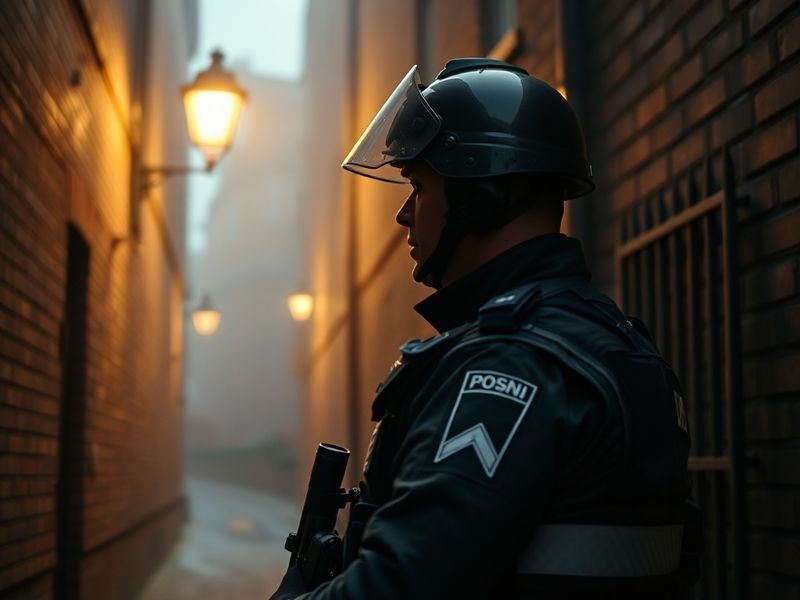
The Police Service of Northern Ireland (PSNI) stands as a critical institution in the United Kingdom’s law enforcement landscape. Born out of a turbulent period in Northern Ireland’s history, the PSNI replaced the Royal Ulster Constabulary (RUC) in 2001 as part of the peace process following the Good Friday Agreement. This transition marked a deliberate shift toward a more inclusive and community-focused policing model, designed to heal divisions and foster trust among all communities.
The PSNI’s role extends beyond traditional policing duties. It plays a vital part in maintaining public order, countering terrorism, and addressing the legacy of conflict. With a workforce of over 6,500 officers and 2,500 staff, the service operates across 29 district policing areas, ensuring a visible and responsive presence in neighborhoods. Its structure reflects a commitment to balancing operational efficiency with community engagement, a model that continues to evolve in response to new challenges.
The Evolution of Policing in Northern Ireland
The creation of the PSNI was not merely a rebranding exercise; it represented a fundamental reimagining of policing in a post-conflict society. The RUC, established in 1922, had long been associated with controversy due to its perceived alignment with unionist communities and its role during periods of intense civil unrest. The PSNI was designed to address these perceptions by emphasizing neutrality, accountability, and community partnership.
A key aspect of this evolution was the introduction of the 50:50 recruitment policy, which aimed to ensure a workforce reflective of Northern Ireland’s demographic makeup. This policy required that half of all new officers come from a Catholic background and half from a Protestant background, a measure intended to break down historical divisions within the police force. While the policy has faced criticism and legal challenges, it underscored the PSNI’s commitment to inclusivity.
Another significant development was the establishment of the Police Ombudsman for Northern Ireland, an independent body tasked with investigating complaints against the PSNI. This oversight mechanism was introduced to enhance public confidence and ensure transparency in policing operations. The Ombudsman’s role has been particularly important in addressing historical grievances and holding officers accountable for past misconduct.
Key Challenges Facing the PSNI Today
The PSNI operates in a complex and often volatile environment. One of its most pressing challenges is the ongoing threat of dissident republican and loyalist paramilitary groups. These groups, remnants of the conflict era, continue to pose a significant security risk, engaging in acts of violence and criminality. The PSNI’s response involves a combination of intelligence-led policing, targeted operations, and community engagement to disrupt these groups and protect the public.
Resource constraints present another hurdle. Like many police services across the UK, the PSNI faces budgetary pressures that impact its ability to recruit, train, and retain officers. The financial squeeze has led to debates about prioritizing frontline policing versus specialized units, as well as the potential for increased reliance on technology to fill gaps in manpower. These constraints are exacerbated by the unique demands of policing in a divided society, where trust and legitimacy are not guaranteed.
Community relations remain a delicate balancing act. While the PSNI has made strides in building trust, particularly in nationalist communities, skepticism persists. The legacy of past policing practices, including collusion with paramilitary groups, continues to cast a long shadow. Efforts to address this legacy, such as the Historical Enquiries Team and the Independent Commission for Information Retrieval, have provided some closure but have also highlighted the ongoing pain of victims and survivors.
- Dissident paramilitary threat: Ongoing violence from splinter groups requires constant vigilance and adaptive policing strategies.
- Resource limitations: Budget cuts and staffing shortages challenge the PSNI’s operational capacity and community outreach efforts.
- Legacy of conflict: Historical grievances and distrust among communities demand sustained efforts to rebuild legitimacy.
- Technological adaptation: The PSNI must integrate new tools for surveillance, data analysis, and communication to modernize its operations.
Broader Implications for Policing and Society
The PSNI’s experiences offer valuable lessons for policing in divided societies worldwide. Its emphasis on community policing and inclusivity has drawn international attention, particularly in regions grappling with ethnic or sectarian tensions. The service’s approach to balancing security imperatives with human rights considerations serves as a case study in post-conflict governance.
However, the PSNI’s journey is far from complete. The service continues to navigate the complexities of a society still healing from decades of conflict. Issues such as the prosecution of former police officers for historical actions, the management of contentious parades, and the integration of former paramilitaries into civic life remain flashpoints. These challenges underscore the delicate nature of policing in a society where identity and history are deeply intertwined.
The PSNI’s role in countering disinformation and cyber threats also reflects broader trends in modern policing. As criminal activity increasingly transcends borders, the PSNI has had to adapt by collaborating with international partners and investing in cybercrime units. This shift highlights the evolving nature of law enforcement, where traditional policing must coexist with digital-age challenges.
Looking Ahead: The Future of the PSNI
The future of the PSNI will be shaped by its ability to adapt to changing circumstances while remaining true to its founding principles. One area of focus is the recruitment and retention of officers from diverse backgrounds. While the 50:50 policy has made progress, achieving a truly representative police force requires ongoing effort and innovation. Initiatives such as outreach programs in schools and tailored recruitment campaigns aim to attract candidates from underrepresented communities.
Another priority is the modernization of policing techniques. The PSNI has been at the forefront of adopting predictive policing tools, which use data analytics to identify crime hotspots and allocate resources more effectively. However, the use of such technologies raises ethical questions about privacy and bias, necessitating robust oversight and transparency.
Ultimately, the PSNI’s success will depend on its ability to foster trust and cooperation among all communities. This requires not only effective policing but also political and societal commitment to reconciliation. The peace process has made significant strides, but the work of building a shared future is ongoing. The PSNI’s role in this process is both symbolic and practical, serving as a bridge between divided communities while upholding the rule of law.
For those interested in exploring related topics, the News and Analysis sections on Dave’s Locker offer further insights into the broader implications of policing and governance in post-conflict societies.
The Police Service of Northern Ireland stands as a testament to the possibility of transformation in even the most divided societies. Its journey reflects the challenges and opportunities of policing in a post-conflict era, offering lessons that extend far beyond Northern Ireland’s borders. As the service continues to evolve, its ability to balance security, justice, and community trust will remain a critical barometer of progress in the region’s ongoing quest for peace.