Nestled along the emerald waters of the Gulf of Mexico, Santa Rosa County in Florida’s Panhandle offers a quieter alternative to the state’s more commercialized destinations. Known for its pristine beaches, rich military history, and thriving arts scene, this region has quietly cultivated a reputation as a cultural and natural sanctuary. While cities like Miami and Orlando dominate headlines, Santa Rosa County’s blend of small-town charm and coastal beauty provides a compelling case study in sustainable tourism and community-driven heritage.
The county’s geographic position—bordering Alabama to the north and the Gulf to the south—has shaped its identity over centuries. From Indigenous settlements to Spanish explorers, Confederate strongholds, and modern military installations, Santa Rosa’s past is as layered as its landscapes. Today, it stands as a testament to how communities can preserve their history while embracing contemporary growth.
Natural Wonders: Beaches, Parks, and Wildlife
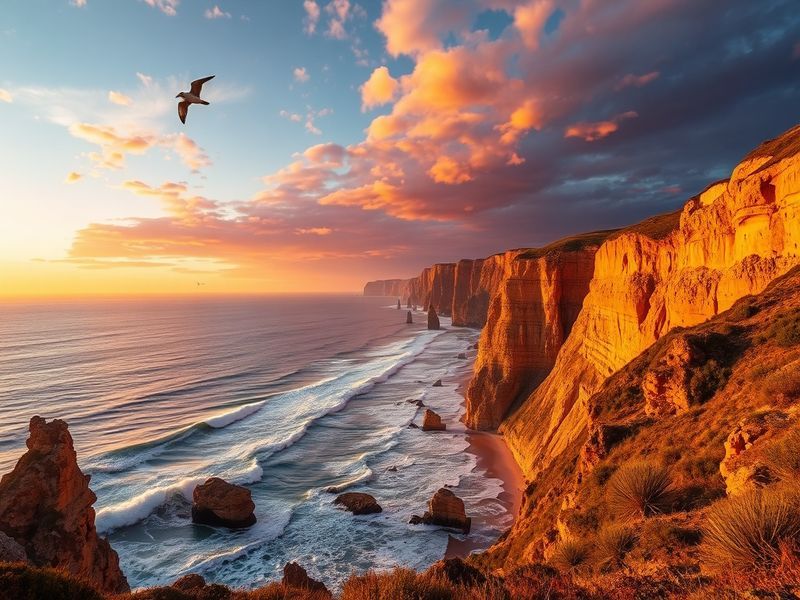
Santa Rosa County’s coastline stretches for 52 miles, featuring some of the most unspoiled beaches in the southeastern United States. Pensacola Beach, though popular, retains a sense of tranquility compared to its counterparts further east. The sugar-white sands and dunes here are part of the Gulf Islands National Seashore, a protected area that spans Mississippi to Florida and is managed by the National Park Service. Visitors can explore maritime forests, tidal pools, and rare species like the Perdido Key beach mouse.
Beyond the beaches, the county is a haven for outdoor enthusiasts. Big Lagoon State Park offers hiking trails, kayaking, and birdwatching, while Blackwater River State Forest provides one of the purest waterways in the region. The forest’s namesake river is designated as a Florida Outstanding Waterway, ideal for canoeing and fishing. These natural assets are not just recreational; they represent a broader ecological significance in a state often threatened by development.
Wildlife plays a critical role in the region’s appeal. The Santa Rosa Sound and its surrounding wetlands serve as a migratory corridor for birds, including the endangered red-cockaded woodpecker. Conservation efforts here have drawn comparisons to other globally recognized biodiversity hotspots, such as Costa Rica’s Osa Peninsula, where ecotourism has become a model for balancing human activity with environmental stewardship.
A Military Legacy Shaping the Community
Military presence has been a defining force in Santa Rosa County since the early 19th century. Naval Air Station Pensacola, established in 1914, is one of the most storied installations in the U.S. armed forces. Known as the “Cradle of Naval Aviation,” it has trained generations of pilots and remains a major economic driver. The base’s influence extends beyond its gates, shaping local culture, cuisine, and even architecture.
The county is also home to Eglin Air Force Base, the largest Air Force base in the world by land area. Its vast testing ranges and training facilities have made it a cornerstone of national defense. Yet, despite its strategic importance, Santa Rosa County has managed to maintain a low profile, avoiding the overdevelopment seen in other military-adjacent regions. This balance between security and livability offers lessons for communities worldwide grappling with the challenges of hosting large installations.
The military’s impact is perhaps most visible in the county’s annual events. The Pensacola Beach Air Show, held near NAS Pensacola, draws crowds with aerial demonstrations and historical exhibits. Meanwhile, the Eglin Air Force Base Open House provides rare public access to one of the most secretive installations in the country. These events underscore how military culture can coexist with civilian life, fostering a sense of pride and shared identity.
Arts, Culture, and the Creative Economy
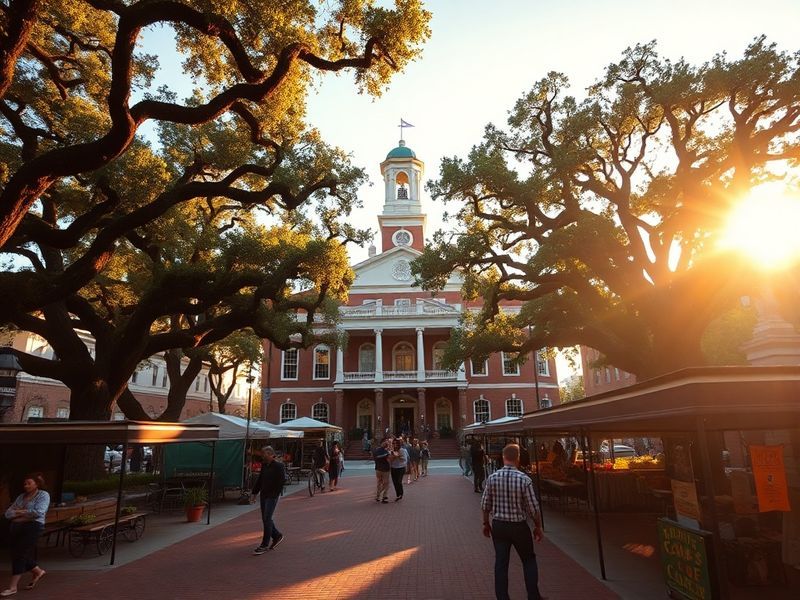
Santa Rosa County’s cultural scene is a reflection of its diverse influences. The region’s history as a crossroads for Spanish, French, and Native American cultures is evident in its festivals, cuisine, and art. Pensacola’s Seville Square, with its historic 19th-century buildings, hosts year-round events like the Foo Foo Marfoozle Festival, a whimsical celebration of local folklore and creativity. The event, which dates back to the 1970s, has become a cultural touchstone, drawing comparisons to Venice’s Carnevale or Brazil’s Festa Junina in its ability to unite communities through art and tradition.
The arts are not confined to Pensacola. In smaller towns like Milton and Jay, local artists and musicians have carved out spaces for expression. The Santa Rosa County Arts Council, established in the 1980s, has been instrumental in fostering this growth. Its initiatives include public art installations, workshops, and collaborations with schools to integrate arts education into the curriculum. This grassroots approach mirrors efforts in cities like Asheville, North Carolina, where a focus on local creativity has revitalized downtown areas without sacrificing authenticity.
Culinary culture in Santa Rosa County is equally distinctive. The region’s cuisine blends Southern comfort food with Gulf Coast seafood, creating dishes like fried oyster po’boys and shrimp and grits. Local seafood markets, such as the historic T&T Seafood in Bagdad, source their catch directly from the Gulf, supporting both the economy and sustainable fishing practices. This farm-to-table ethos is part of a global movement toward food sovereignty, where communities reclaim control over their culinary identities.
Economic Growth and the Challenges Ahead
Santa Rosa County’s economy has evolved significantly over the past decade. Once reliant on military spending and agriculture, the region has diversified into tourism, healthcare, and advanced manufacturing. The growth of the aerospace industry, supported by Eglin Air Force Base, has attracted tech companies and defense contractors. Meanwhile, the expansion of regional airports has made the area more accessible to visitors and businesses alike.
However, this growth has not come without challenges. Like many coastal communities, Santa Rosa County faces the dual threats of rising sea levels and hurricanes. The devastation wrought by Hurricane Ivan in 2004 and Hurricane Sally in 2020 serves as a reminder of the vulnerability of Gulf Coast regions. Local governments have responded with resilience plans that prioritize infrastructure upgrades and environmental conservation. These efforts are part of a broader global conversation about climate adaptation, where cities from Rotterdam to Singapore are experimenting with flood-resistant designs and green infrastructure.
Another challenge is balancing development with preservation. The county’s population has grown by nearly 20% since 2010, driven in part by remote workers and retirees seeking a lower cost of living than Florida’s larger metros. This influx has put pressure on housing and public services. Yet, unlike other Florida counties that have succumbed to sprawl, Santa Rosa has maintained zoning laws that protect green spaces and historic districts. The result is a rare example of managed growth in a state often criticized for unchecked development.
Why Santa Rosa County Matters in a Global Context
Santa Rosa County may not be a household name outside of Florida, but its story resonates with broader global themes. It exemplifies how smaller communities can leverage their unique assets—whether natural, cultural, or historical—to build sustainable economies. In an era where overtourism threatens destinations from Venice to Bali, Santa Rosa offers a model of responsible tourism that prioritizes authenticity over mass appeal.
The county’s approach to military-civilian integration also holds lessons for other regions. Around the world, communities near bases often struggle with noise pollution, environmental degradation, or economic dependence. Santa Rosa, however, has turned its military presence into an opportunity, creating jobs, cultural exchanges, and even tourism opportunities like the National Naval Aviation Museum.
Finally, Santa Rosa County’s commitment to arts and conservation reflects a growing global trend: the recognition of intangible heritage as a form of wealth. In a world where digital culture often overshadows traditional practices, the county’s investment in local festivals, crafts, and environmental stewardship underscores the value of preserving what makes a place unique.
As climate change and globalization continue to reshape communities, Santa Rosa County stands as a case study in resilience. It is not a place of extremes or superlatives, but rather a region that has found a measured, thoughtful path forward. For travelers, historians, and anyone interested in the future of small-town America, it offers a compelling narrative—one that proves sometimes the most interesting stories are found not in the spotlight, but just beyond it.
Whether exploring its beaches, delving into its military history, or simply enjoying a meal by the water, visitors to Santa Rosa County leave with a sense of having discovered something rare: a place that feels both timeless and thoroughly modern.