Few cities in the world can match the architectural splendor and historical depth of St. Petersburg, Russia. Founded in 1703 by Peter the Great, the city has long served as a bridge between East and West, embodying both European sophistication and Russian resilience. With its canals mirroring Venice, its palaces rivaling Versailles, and its artistic legacy rivaling Florence, St. Petersburg remains a living museum of imperial history and contemporary creativity.
The City of a Thousand Palaces
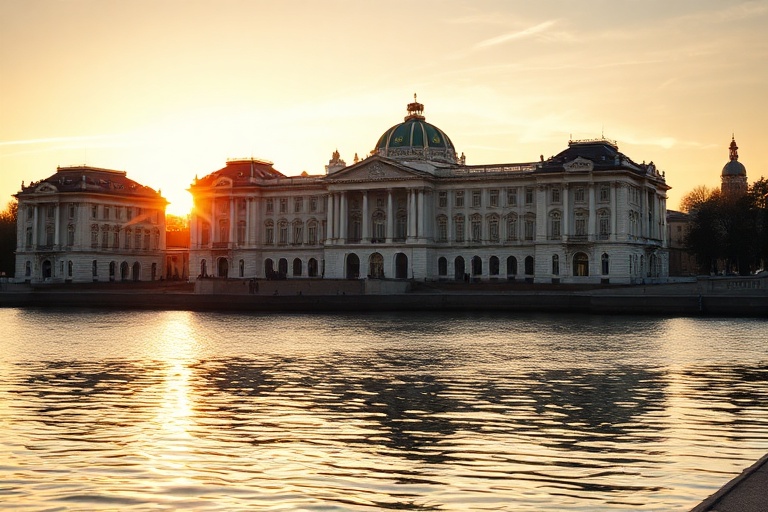
St. Petersburg’s skyline is dominated by the opulence of its imperial past. The Winter Palace, once home to Russian tsars, now houses the world-renowned Hermitage Museum, a sprawling complex of over 3 million artifacts. Nearby, the Peterhof Palace enchants visitors with its golden statues, cascading fountains, and meticulously designed gardens—earning it the nickname “Russian Versailles.” These landmarks are not merely relics; they are testaments to a time when art, power, and ambition converged.
Yet St. Petersburg’s architectural marvels extend beyond its palaces. The Church of the Savior on Spilled Blood, with its vibrant mosaics and onion domes, stands as a symbol of Russia’s spiritual heritage. The Mariinsky Theatre, an icon of Russian ballet and opera, continues to shape global performing arts. Even the city’s utilitarian structures, like the Stock Exchange Building on Vasilievsky Island, reflect a blend of functionality and grandeur.
Beyond the Tourist Trail: St. Petersburg’s Cultural Pulse
While its landmarks draw millions, St. Petersburg’s true character lies in its cultural ecosystem. The city has nurtured literary giants like Dostoevsky and Pushkin, whose works still resonate in the streets of their former neighborhoods. The Russian Museum, the largest collection of Russian fine arts, offers a journey through centuries of artistic evolution, from religious icons to avant-garde experiments.
The city’s creative energy extends to its underground scene. Neon clubs in basement venues pulse with electronic beats, while avant-garde art galleries in the Liteyny District challenge conventional aesthetics. St. Petersburg’s film industry, though overshadowed by Moscow, has produced directors like Alexander Sokurov, whose visually arresting works redefine cinematic storytelling.
A Day in the Life: Local Experiences
For those willing to venture beyond the guidebooks, St. Petersburg offers moments of raw authenticity. A stroll along the Fontanka River reveals street musicians playing classical pieces under ornate bridges. A visit to the Kuznechny Market provides a taste of local life, where vendors sell fresh caviar, smoked fish, and blini with sour cream. Even the city’s metro stations double as art galleries, adorned with marble, mosaics, and chandeliers that transform a commute into an aesthetic experience.
- Hidden Courtyards: Many buildings in the city center hide quiet courtyards with overgrown greenery and crumbling facades, offering a glimpse into St. Petersburg’s layered history.
- White Nights Festival: Every summer, the city celebrates the phenomenon of the midnight sun with open-air concerts, ballet performances, and art installations.
- Literary Cafés: Haunts like the Literary Café, where Dostoevsky once wrote, serve as hubs for writers and thinkers to this day.
St. Petersburg’s Global Influence and Challenges
St. Petersburg’s role on the world stage extends beyond its cultural exports. As Russia’s second-largest city, it serves as a critical economic and political hub. The port of St. Petersburg, frozen for part of the year, remains a vital artery for trade between Europe and Asia. The city’s universities attract international students, particularly in fields like engineering, medicine, and the arts, fostering cross-cultural exchange.
Yet St. Petersburg faces modern challenges. The city’s infrastructure, though impressive, struggles to keep pace with its growing population and tourism industry. Preservation efforts often clash with development projects, raising debates about the balance between progress and heritage. Environmental concerns, such as pollution in the Neva River and air quality issues, further complicate the city’s sustainability goals.
Navigating the City’s Paradoxes
St. Petersburg is a city of contradictions. Its imperial facades conceal Soviet-era apartment blocks, and its glamorous theaters sit beside crumbling industrial zones. This duality is part of its charm, but it also reflects broader tensions in Russian society—between tradition and innovation, isolation and openness, grandeur and hardship. Visitors and locals alike must navigate these layers to truly understand the city’s soul.
Why St. Petersburg Matters Today
In an era of globalization, St. Petersburg stands as a reminder of the power of cultural identity. Its ability to preserve its heritage while embracing modernity makes it a model for other historic cities. The city’s resilience—through wars, revolutions, and economic upheavals—demonstrates the enduring strength of its people and institutions.
For artists, historians, and travelers, St. Petersburg offers more than just a destination; it provides a lens through which to view the complexities of human civilization. Whether exploring its museums, wandering its canals, or engaging with its vibrant communities, one leaves with a deeper appreciation for the intersections of art, history, and life.
As Russia continues to shape global politics and culture, St. Petersburg remains its beating heart—a city where the past is always present, and the future is constantly being written.
For those interested in exploring more about Russia’s cultural and historical landscapes, be sure to visit Dave’s Locker Travel and Dave’s Locker Culture sections for curated guides and insights.