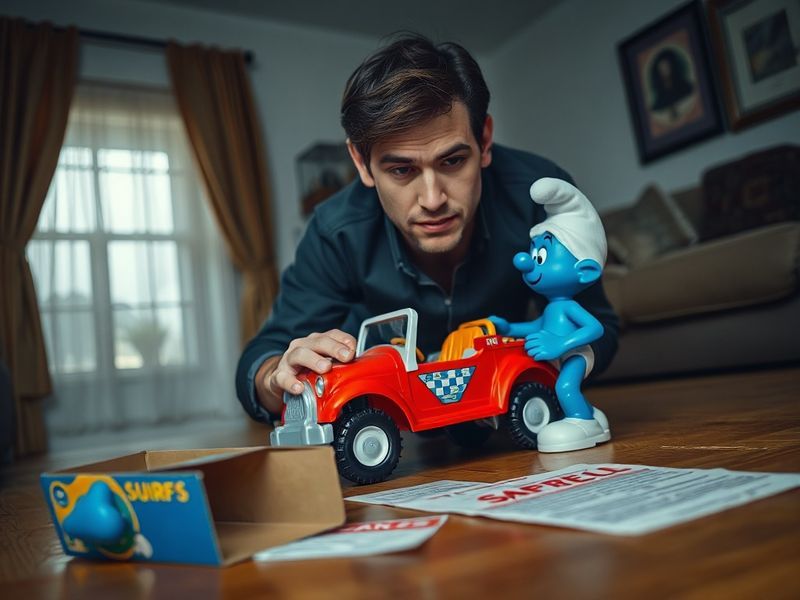
Smyths Toys, a major European toy retailer, recently initiated a voluntary recall of several children’s products after tests confirmed the presence of asbestos fibers. The discovery has sent ripples through the toy industry and raised urgent questions about product safety standards, supply chain transparency, and regulatory oversight.
Asbestos, a known carcinogen, poses severe health risks when its fibers become airborne and are inhaled. While its use has been banned in many products, the Smyths recall suggests that hazardous materials continue to infiltrate even regulated supply chains. This incident follows similar cases in recent years where asbestos was detected in consumer goods, highlighting systemic vulnerabilities in manufacturing and quality control processes.
How the Recall Unfolded
The recall originated from routine testing conducted by a third-party laboratory. Independent researchers sampled a batch of Smyths-branded toys, including playsets and figurines, and found trace amounts of asbestos in plastic components. The findings were confirmed through follow-up tests, prompting Smyths to issue an immediate recall notice on its website and through consumer protection agencies.
In a statement, Smyths emphasized its commitment to safety while acknowledging the potential risk to children. The company stated that affected products were manufactured externally and that it was cooperating with suppliers to identify the source of contamination. The recall affects a limited number of items, all of which were distributed within the past 12 months.
Timeline of the Recall
- June 10, 2024: Third-party lab detects asbestos in Smyths toy samples.
- June 14, 2024: Smyths initiates internal review and confirms contamination.
- June 18, 2024: Company issues public recall notice and removes affected products from shelves.
- June 20, 2024: Consumer safety agencies issue advisories and recall alerts.
Broader Implications for the Toy Industry
This recall is not an isolated incident. Over the past five years, asbestos has been detected in various consumer products, from crayons to talcum powder. The Smyths case, however, raises unique concerns due to the targeted demographic—children, who are more vulnerable to long-term health effects from asbestos exposure.
Industry analysts suggest that the recall reflects deeper issues within global supply chains. Many toy manufacturers rely on overseas suppliers for raw materials, making it difficult to trace contaminants back to their source. Additionally, the use of recycled plastics in some toys may inadvertently reintroduce banned substances into new products.
Regulatory bodies, including the European Chemicals Agency (ECHA) and the U.S. Consumer Product Safety Commission (CPSC), have strengthened guidelines in recent years. However, enforcement remains inconsistent, particularly in countries where manufacturing is concentrated. The Smyths recall underscores the need for stricter oversight and more rigorous testing protocols.
What Parents and Consumers Should Do
For families who may have purchased affected toys, experts recommend taking immediate action. The first step is to check the recall list on Smyths’ website or contact their customer service for a full list of recalled products. Parents should discontinue use of any recalled items and dispose of them safely.
Health professionals advise monitoring children for symptoms such as persistent coughing, shortness of breath, or unusual fatigue, which could indicate asbestos-related issues. While the risk of exposure from these toys is considered low, long-term health monitoring is recommended for peace of mind.
Steps for Consumers
- Check the recall list: Visit Smyths’ official website or call their helpline to verify if any purchased items are affected.
- Stop using the product: Discontinue play immediately to eliminate any potential risk.
- Contact Smyths for a refund or replacement: The company has pledged to cover all costs related to the return of recalled items.
- Monitor for symptoms: Watch for signs of respiratory issues and consult a healthcare provider if concerns arise.
Lessons for the Future
The Smyths recall serves as a cautionary tale for both retailers and consumers. For businesses, it highlights the importance of comprehensive supply chain audits and proactive testing. Relying solely on supplier certifications is no longer sufficient in an era where contaminants can enter products at multiple stages of production.
Consumers, too, must become more vigilant. While regulators and retailers bear primary responsibility for safety, parents can take steps to minimize risks by purchasing from trusted brands and staying informed about product recalls. The rise of online marketplaces has also complicated the landscape, as counterfeit or unregulated products can easily slip through the cracks.
Looking ahead, industry experts predict that recalls like this will become more frequent as testing methods improve. Advances in technology, such as portable spectroscopy devices, could enable faster and more affordable detection of hazardous materials in consumer goods. However, the onus remains on companies to prioritize safety over cost-cutting measures.
The Smyths recall is a reminder that complacency in product safety is not an option. As supply chains grow increasingly complex, so too must the measures to ensure that the products we bring into our homes are truly safe for those who use them most.
For more insights into consumer safety and industry trends, visit our News and Health sections.