<!DOCTYPE html>
<html lang="en">
<head>
    <meta charset="UTF-8">
    <meta name="viewport" content="width=device-width, initial-scale=1.0">
    <title>Australia's Petrol Shortage: A Supply Chain Wake-Up Call</title>
</head>
<body>
    <article>
        <h2>Australia’s Petrol Shortage and Its Global Echoes</h2>
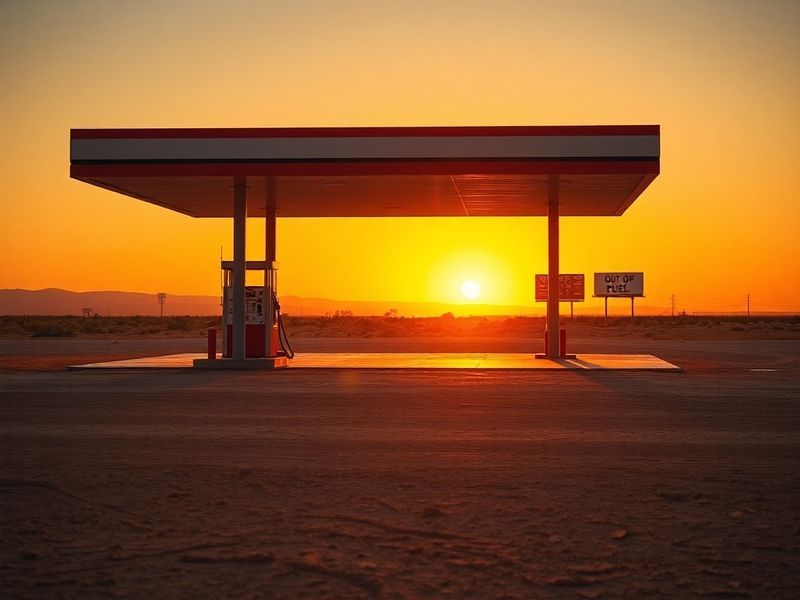
        <p>Across Australia, drivers have faced a stark reality in recent months: petrol stations operating at reduced capacity or closing entirely for days at a time. The shortage isn’t confined to remote areas; it has disrupted urban centers and regional hubs alike. While the situation has eased in some places, the episode serves as a reminder of how fragile supply chains can become when global pressures converge with local vulnerabilities.</p>

        <p>This isn’t just a story about fuel. It’s about the interconnectedness of modern economies, the ripple effects of geopolitical decisions, and the delicate balance between demand and distribution. Australia’s experience reflects broader trends seen in other nations, where energy security has become a pressing concern in an era marked by climate policy shifts, trade tensions, and pandemic-era disruptions.</p>

        <h3>The Spark Behind the Shortage</h3>
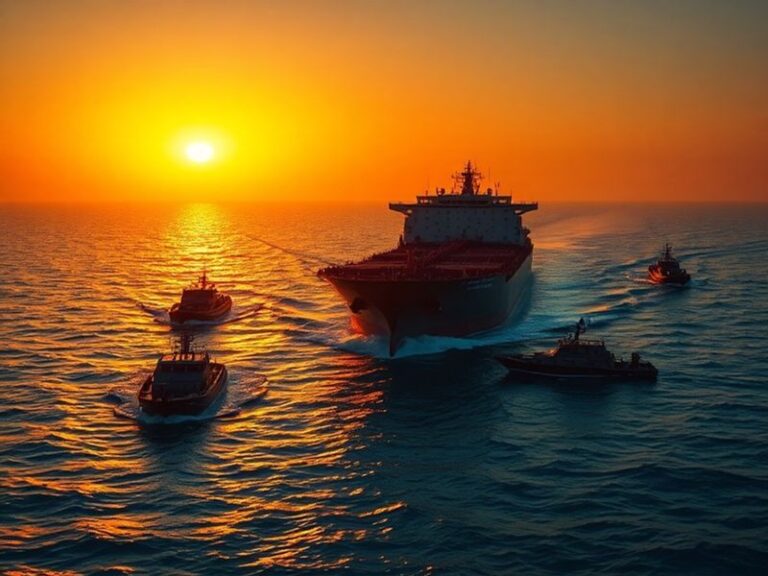
        <p>The immediate cause of Australia’s petrol scarcity traces back to a combination of factors. A key driver was the temporary shutdown of one of the country’s major fuel refineries in 2023, which reduced domestic production capacity. At the same time, global oil prices surged due to geopolitical tensions, making imports more expensive and less reliable. Shipping delays and port congestion further complicated the distribution of refined fuel across the continent.</p>

        <p>These challenges were exacerbated by Australia’s heavy reliance on imported fuel. Despite being a major producer of crude oil, the country has limited refining capacity. Over the past decade, several refineries have closed as global markets shifted toward cheaper imports. This left Australia vulnerable to supply chain shocks when international conditions deteriorated.</p>

        <p>Local factors also played a role. Panic buying in response to early shortages created artificial demand spikes, while labor shortages in transport and logistics slowed the movement of fuel from ports to service stations. The result was a perfect storm: reduced supply meeting inflated demand, all within a system that hadn’t planned for such disruptions.</p>

        <h3>A Global Perspective on Energy Vulnerabilities</h3>
        <p>Australia’s experience is not unique. Countries around the world have faced similar strains on their fuel supplies in recent years, highlighting the fragility of energy systems that have long been taken for granted. In the United Kingdom, fuel shortages in 2021 led to long lines at petrol stations and even sparked public debates about energy independence. Meanwhile, in the United States, Colonial Pipeline’s ransomware attack in 2021 caused widespread panic and price spikes, exposing how cyber threats can disrupt critical infrastructure.</p>

        <p>These incidents underscore a broader truth: energy security is no longer just about having enough oil or gas. It’s about having resilient systems capable of withstanding a range of disruptions, from geopolitical conflicts to cyberattacks to extreme weather events. As nations transition toward renewable energy, the challenges of managing both traditional and emerging energy sources will only intensify.</p>

        <p>For Australia, the petrol shortage has reignited conversations about rebuilding domestic refining capacity. Some policymakers argue that a strategic reserve of refined fuel could act as a buffer during future crises. Others point to the need for greater investment in alternative fuels and electric vehicle infrastructure, which could reduce reliance on petrol in the long term.</p>

        <h3>Lessons for Consumers and Policymakers</h3>
        <p>The petrol shortage has left many Australians reconsidering their relationship with fuel. For decades, cheap and abundant petrol was a given. Today, that assumption no longer holds. Drivers are now more aware of the supply chains behind their fuel, the environmental costs of burning fossil fuels, and the importance of energy conservation.</p>

        <p>For policymakers, the episode has highlighted the need for proactive planning. A <a href="/category/automotive/">recent report</a> by the Australian Energy Market Operator warned that without significant investment in energy infrastructure, similar shortages could recur. The report recommended diversifying fuel sources, expanding storage facilities, and accelerating the transition to electric vehicles.</p>

        <p>Consumers, too, are adapting. Ride-sharing, public transport, and active transport options have seen increased uptake in urban areas. Some households are exploring hybrid or electric vehicles, while others are simply driving less to conserve fuel. These behavioral shifts may prove to be lasting, reshaping transportation habits in ways that were unimaginable just a few years ago.</p>

        <h3>What’s Next for Australia’s Fuel Supply?</h3>
        <p>The immediate crisis may have passed, but the underlying issues remain unresolved. Australia’s fuel supply chain is still heavily dependent on imports, and global energy markets remain volatile. The country’s energy transition will require careful navigation, balancing short-term needs with long-term sustainability goals.</p>

        <p>In the meantime, drivers are learning to live with uncertainty. Service stations are installing digital signage to show real-time fuel availability, while apps are emerging to help motorists locate open stations. Some regions are even exploring community-led solutions, such as local fuel cooperatives, to ensure access during future shortages.</p>

        <p>One thing is clear: Australia’s petrol shortage was more than a temporary inconvenience. It was a wake-up call. As the world grapples with climate change, geopolitical tensions, and supply chain disruptions, the lessons from this episode will resonate far beyond the country’s borders.</p>

        <h2>Key Takeaways for Drivers and Policymakers</h2>
        <ul>
            <li><strong>Diversify supply sources:</strong> Reducing reliance on imported fuel can mitigate future shortages.</li>
            <li><strong>Invest in storage and infrastructure:</strong> Strategic reserves and expanded storage facilities can act as buffers during crises.</li>
            <li><strong>Accelerate energy transition:</strong> Transitioning to electric vehicles and alternative fuels can reduce dependence on petrol.</li>
            <li><strong>Encourage conservation:</strong> Behavioral changes, such as carpooling and reduced driving, can alleviate pressure on supply chains.</li>
            <li><strong>Improve communication:</strong> Real-time updates on fuel availability can help consumers plan and reduce panic buying.</li>
        </ul>
    </article>

    <!-- Metadata Section -->