Earth Day: Celebrating Progress and Protecting Our Planet
“`html
Earth Day: Celebrating Progress and Protecting Our Planet
Every April 22, millions around the globe unite for Earth Day—a day dedicated to environmental awareness, advocacy, and action. Since its inception in 1970, Earth Day has evolved from a grassroots protest into a global movement, shaping policies, shifting corporate practices, and inspiring individuals to rethink their relationship with the planet. It’s more than a single day of activity; it’s a reminder of both how far we’ve come and how much work remains.
The original 1970 Earth Day mobilized 20 million Americans—nearly 10% of the U.S. population at the time—to demand cleaner air, water, and land. That collective voice led to landmark legislation like the Clean Air Act, Clean Water Act, and the creation of the Environmental Protection Agency (EPA). Today, Earth Day is observed in over 190 countries, with events ranging from tree plantings and cleanups to policy forums and educational workshops. The movement has grown, but so have the challenges—climate change, biodiversity loss, and pollution remain urgent threats.
The Environmental Milestones Born from Earth Day
Earth Day’s legacy is written into environmental law and corporate responsibility. In the years following the first observance, the U.S. government passed sweeping protections that still form the backbone of environmental regulation. The Clean Air Act, for instance, has prevented over 230,000 early deaths annually by reducing fine particle pollution. Similarly, the Endangered Species Act has helped stabilize populations of iconic animals like the bald eagle and gray wolf.
Beyond legislation, Earth Day has catalyzed corporate action. Many companies now publish sustainability reports, reduce single-use plastics, and invest in renewable energy—partly in response to consumer demand amplified by Earth Day campaigns. The movement also sparked international cooperation, leading to agreements like the Montreal Protocol (1987), which phased out ozone-depleting chemicals, and the Paris Agreement (2015), which united nearly 200 nations in climate commitments.
Yet progress hasn’t been uniform. While some nations have drastically cut emissions, others lag behind due to economic constraints or political resistance. The gap between policy and practice remains a stark reality, with many environmental protections under threat from deregulation efforts and short-term economic priorities.
How Earth Day Drives Global Participation
Earth Day’s strength lies in its inclusivity. It’s not just for scientists or policymakers—it’s a platform for everyone. Schools integrate environmental education into curricula, businesses host sustainability fairs, and communities organize cleanups of local parks, beaches, and waterways. In 2023, over 75,000 partners across 192 countries participated in Earth Day events, according to the Earth Day Network.
One standout initiative is the Earth Day Plastic Reduction Campaign, which has mobilized over 5,000 organizations to reduce plastic waste. Another is the Canopy Project, which has planted tens of millions of trees in degraded forests and urban areas. These efforts highlight a key shift: from awareness to measurable impact. Earth Day is increasingly about actionable change—not just talking about the environment, but actively restoring it.
Digital platforms have also amplified the movement. Social media campaigns like #EarthDayAtHome and #RestoreOurEarth encouraged virtual participation during the pandemic, proving that activism can thrive beyond physical gatherings. Today, online toolkits and virtual summits allow people worldwide to engage, regardless of location.
The Science Behind Earth Day: Measuring Our Impact
Earth Day’s urgency is backed by science. The Intergovernmental Panel on Climate Change (IPCC) warns that global temperatures could rise by 1.5°C as early as 2030, triggering irreversible damage to ecosystems and human communities. Biodiversity loss is accelerating, with over a million species at risk of extinction, according to the UN. Pollution, from microplastics in the ocean to nitrogen runoff in rivers, continues to degrade air and water quality worldwide.
But science also offers solutions. Renewable energy costs have plummeted—solar power is now cheaper than coal in most of the world. Innovations in carbon capture, sustainable agriculture, and circular economies are gaining traction. Earth Day serves as a bridge between scientific findings and public action, translating complex data into calls for policy change and personal responsibility.
Still, misinformation and greenwashing often obscure the truth. Some corporations tout minor sustainability efforts as major victories, while lobbying against stricter regulations. Earth Day’s role includes holding both governments and businesses accountable, demanding transparency and real progress.
How to Participate Meaningfully in Earth Day
Participation doesn’t require grand gestures—small, consistent actions can collectively make a difference. Here’s how to get involved:
- Reduce, Reuse, Recycle: Cut single-use plastics by using reusable bags, bottles, and containers. Support brands with sustainable packaging.
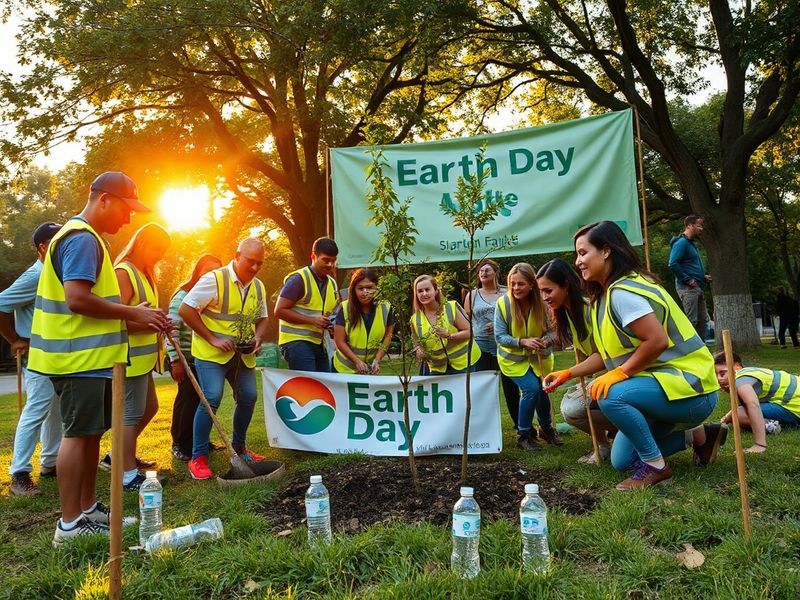
- Support Local Conservation: Volunteer with local environmental groups, join tree-planting events, or participate in community cleanups.
- Advocate for Policy Change: Contact representatives to support climate legislation, attend town halls, or join advocacy campaigns like those led by the Earth Day Network.
- Educate and Inspire: Share reliable resources about environmental issues. Host discussions, screen documentaries, or mentor younger generations in sustainability.
- Make Sustainable Choices: Transition to renewable energy if possible, choose public transit or carpool, and reduce energy consumption at home.
For those looking to go further, consider carbon offset programs, investing in green technologies, or even pursuing careers in environmental science or policy. Every action, no matter how small, contributes to a larger shift in mindset and behavior.
Looking Ahead: The Future of Earth Day and Environmental Action
As Earth Day approaches its 60th anniversary in 2030, the movement faces both opportunity and challenge. The next decade is critical for climate action. The UN’s Sustainable Development Goals (SDGs), particularly SDG 13 (Climate Action) and SDG 15 (Life on Land), provide a roadmap—but achieving them requires unprecedented cooperation.
Earth Day 2024’s theme, “Planet vs. Plastics,” underscores a growing focus on reducing plastic pollution by 60% by 2040. This goal aligns with global efforts to curb microplastic contamination in oceans and food chains. Meanwhile, youth movements like Fridays for Future continue to pressure governments for bolder climate policies, proving that the next generation is ready to lead.
Technology will play a pivotal role. Advances in AI, satellite monitoring, and renewable energy storage are accelerating solutions. But technology alone won’t solve the crisis—it must be paired with political will and public engagement. Earth Day remains a vital catalyst for this synergy, reminding us that environmental protection is not a partisan issue, but a human one.
A Call to Sustain the Momentum
Earth Day’s greatest power is its ability to inspire year-round action. While the April observance provides a focal point, the real work happens in the months that follow. It’s about integrating sustainability into daily life—not as a trend, but as a responsibility.
Communities that sustain Earth Day initiatives often see lasting benefits. Cities with active environmental groups report cleaner air and higher civic engagement. Schools with eco-clubs see students more invested in science and civic duty. Businesses that prioritize sustainability often enjoy stronger reputations and customer loyalty.
As we reflect on Earth Day’s history, we must also look to its future. The challenges ahead are daunting, but the tools and knowledge to address them are within reach. The question is no longer whether we can change, but whether we will act in time.
Earth Day reminds us that the planet doesn’t belong to us—we belong to it. Every choice, from the products we buy to the policies we support, shapes the world we leave for future generations. This Earth Day, let’s celebrate progress, but also recommit to the work that lies ahead.