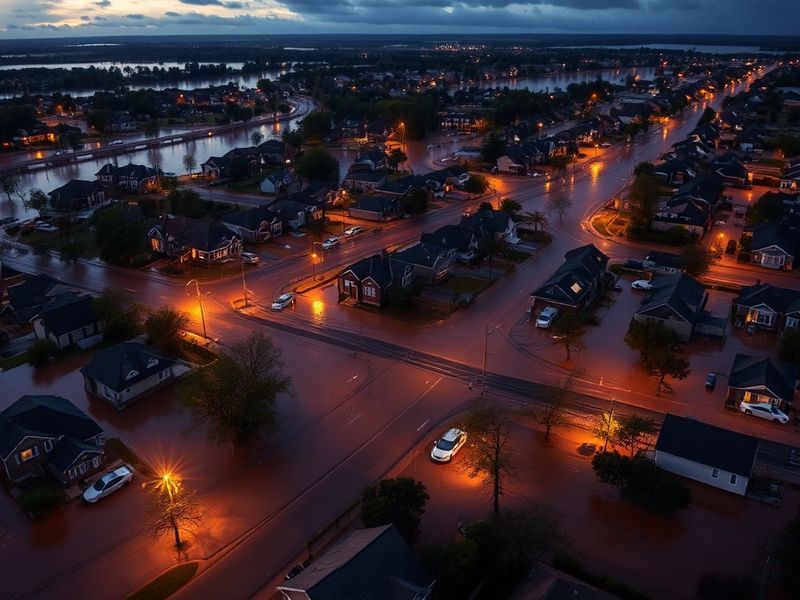
Flood Watch: What It Means and How to Stay Safe
“`html
Flood Watch: Understanding the Alerts and Staying Safe
Flood watches are issued when conditions are favorable for flooding, though no flooding is currently occurring. These alerts serve as early warnings to help communities prepare before disaster strikes. The National Weather Service (NWS) uses precise criteria to determine when a flood watch should be posted, ensuring residents have enough time to take protective measures.
Unlike flood warnings—which indicate imminent or ongoing flooding—a watch means flooding is possible within the next 12 to 48 hours. This distinction is critical for residents, emergency responders, and local authorities. The difference between a watch and a warning often determines whether people evacuate, move valuables, or take other precautions.
How Flood Watches Are Issued
Flood watches are not arbitrary alerts. They are based on a combination of meteorological data, soil saturation levels, and river flow rates. The NWS monitors rainfall forecasts, snowmelt patterns, and dam conditions to assess flood risk. When multiple factors align—such as prolonged heavy rain combined with already saturated ground—a watch is issued.
Local National Weather Service offices collaborate with hydrologists and emergency management teams to refine these alerts. Rural areas with poor drainage or flash flood zones often receive watches more frequently. Urban regions, meanwhile, face heightened risks due to impervious surfaces like concrete, which accelerate runoff.
The NWS uses a tiered system for flood alerts:
- Flood Watch: Conditions are favorable for flooding; stay alert.
- Flood Warning: Flooding is imminent or occurring; take action.
- Flash Flood Watch/Warning: Rapid-onset flooding is possible or occurring.
Common Triggers for Flood Watches
Several weather patterns can lead to flood watches, each with its own set of risks. Tropical systems, such as hurricanes, often prompt watches due to prolonged rainfall. Even remnants of these storms can dump inches of rain in a short period, overwhelming drainage systems.
Another frequent trigger is a stalled weather front, where a boundary between warm and cold air lingers over a region. These systems can produce relentless rain, saturating the ground until water begins to rise. In mountainous areas, orographic lift—where moist air is forced upward by terrain—can intensify rainfall, increasing flood risks.
Seasonal factors also play a role. Snowmelt in spring, combined with rain, can lead to river flooding. Ice jams on rivers, often overlooked, can cause sudden water rises when they break apart. Urban heat islands, where cities retain heat and alter weather patterns, may also contribute to localized flooding.
Preparing for a Flood Watch
When a flood watch is issued, preparation is key to minimizing damage and ensuring safety. Start by reviewing your property’s flood risk using tools like the Federal Emergency Management Agency’s (FEMA) Flood Map Service Center. Know your evacuation routes and establish a meeting point for family members.
Move valuables to higher ground or upper floors of your home. Secure important documents in waterproof containers and consider digitizing them. If you live in a basement apartment, plan to relocate temporarily, as these units are particularly vulnerable to flooding.
Assemble an emergency kit with at least three days’ worth of water, non-perishable food, medications, and a flashlight. Include a portable charger for phones and a battery-powered radio to receive updates if power is lost. Don’t forget to include items for pets, such as food, leashes, and carriers.
For those in flood-prone areas, consider flood insurance. Standard homeowners’ policies typically do not cover flood damage, and federal assistance after a disaster may not cover all losses. The National Flood Insurance Program (NFIP) offers policies that can provide financial protection.
What to Do When a Flood Watch Becomes a Warning
If a flood watch escalates to a warning, act quickly. Never wait to see if water rises—time is critical. Follow evacuation orders immediately, and avoid driving through flooded roads. Just six inches of moving water can knock a person off their feet, while a foot of water can sweep away a car.
If you’re trapped in a building, move to the highest floor or roof. Signal for help using bright cloth or a flashlight. Avoid basements and lower levels, as these areas flood first. If you’re outdoors, climb to higher ground and avoid crossing streams or rivers, where water levels can rise rapidly.
After the flood, avoid returning home until authorities declare it safe. Floodwaters may be contaminated with sewage, chemicals, or debris. Wear protective gear when cleaning up, and document damage for insurance claims. Take photos and videos of affected areas before making repairs.
Long-Term Strategies for Flood-Prone Communities
Flood watches are becoming more frequent in some regions due to climate change. Warmer temperatures increase moisture in the atmosphere, leading to heavier rainfall events. Communities must adapt by improving infrastructure and implementing flood mitigation strategies.
Green infrastructure, such as rain gardens, permeable pavements, and retention basins, can help absorb excess water. Upgrading stormwater systems in cities reduces urban flooding. In rural areas, restoring wetlands provides natural buffers against rising waters.
Local governments can also play a role by enforcing stricter building codes in flood zones. Elevating homes, installing sump pumps, and using flood-resistant materials can reduce damage. Public education campaigns about flood risks and preparedness are equally important.
For more information on flood preparedness, visit Dave’s Locker News for updates on weather alerts and safety tips.
Final Thoughts
Flood watches are a vital tool for protecting lives and property, but they require swift action from residents. Understanding the difference between a watch and a warning can mean the difference between safety and danger. By preparing in advance and staying informed, communities can reduce the impact of flooding.
As climate patterns shift, the frequency of flood watches may increase. Proactive measures—both at the individual and community levels—will be essential in adapting to these changes. Whether you live near a river, in a city, or in a coastal area, flood awareness is a responsibility that cannot be ignored.