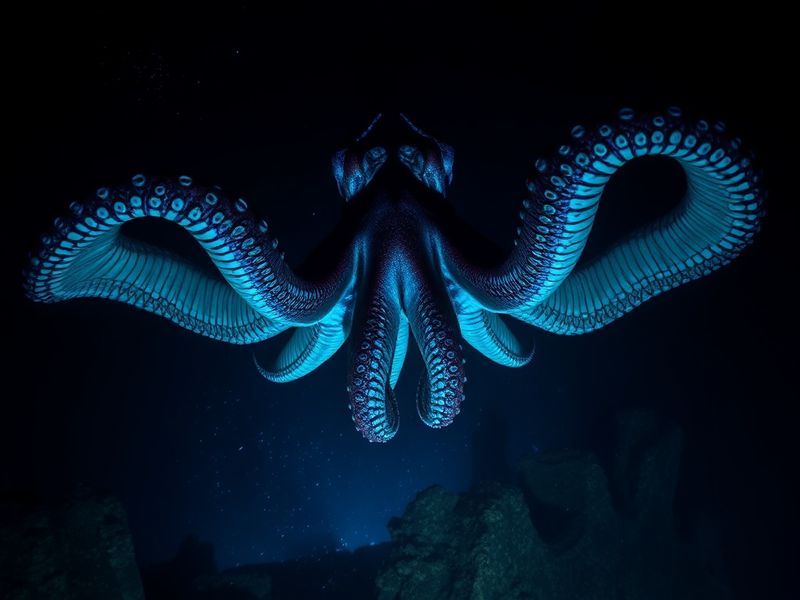
Giant Octopus: Myths, Science, and Global Fascination Explored
“`html
Giant Octopus: Myths, Science, and Global Fascination
The giant octopus has long captured human imagination, weaving itself into the fabric of global folklore, scientific inquiry, and even modern pop culture. These enigmatic cephalopods, with their intelligence and otherworldly appearance, exist at the intersection of myth and reality. From ancient maritime legends to cutting-edge marine biology, the giant octopus continues to fascinate and mystify.
While the term “giant octopus” is often used loosely, it typically refers to octopuses that reach extraordinary sizes. The most famous species, the Giant Pacific Octopus (Enteroctopus dofleini), can weigh up to 110 pounds (50 kg) and span more than 14 feet (4.3 meters) from tentacle tip to tentacle tip. These creatures are found along the coasts of the North Pacific Ocean, from California to Alaska and across to Japan and Korea.
The Legends Behind the Tentacles: Octopus in Global Mythology
Before science sought to explain these creatures, cultures around the world wove tales of giant octopuses and their supernatural abilities. In Hawaiian mythology, the octopus appears as a shape-shifting trickster named Heʻe, a figure of both mischief and reverence. Legends describe Heʻe as capable of transforming into human form and outwitting gods and mortals alike.
Similarly, in Japanese folklore, the giant octopus—or “tako”—was both feared and respected. The tako no tsume (octopus’s dream), a creature said to haunt fishermen, was believed to lure sailors to their doom. One of the most enduring tales comes from the 1814 woodblock print The Dream of the Fisherman’s Wife by Hokusai, which depicts a woman engaged in a passionate embrace with a pair of octopuses. This artwork reflects a complex relationship with the sea and its creatures, blending eroticism with the unknown.
Norwegian sailors told stories of the Kraken, a colossal sea monster capable of dragging entire ships underwater. Descriptions of the Kraken closely resemble giant squid or octopuses, with multiple arms and an insatiable appetite for destruction. These myths were not mere fantasy; they served as early attempts to explain the unexplainable—the sudden disappearances of ships and the mysterious depths of the ocean.
Science Meets the Deep: What We Know About Giant Octopuses
Modern science has dispelled many of the myths surrounding giant octopuses, but it has also uncovered truths that are no less astonishing. The Giant Pacific Octopus is the largest octopus species by weight and is known for its intelligence, problem-solving skills, and even the ability to recognize individual humans.
These creatures are masters of camouflage, capable of changing the color and texture of their skin in milliseconds to blend into their surroundings. Their complex nervous system, with two-thirds of their neurons located in their arms, allows for remarkable dexterity and independent decision-making by each tentacle. This decentralized intelligence makes them one of the most unique animals on Earth.
Giant octopuses are solitary hunters, feeding on crabs, clams, and fish. They use their powerful beak to crush shells and their venomous saliva to subdue prey. Unlike many marine animals, they have a relatively short lifespan, typically living 3 to 5 years. However, their reproductive cycle is one of the most dramatic in the animal kingdom: males perform a courtship dance, and females guard their eggs without eating until they hatch, after which they die.
Scientists continue to study these creatures to unlock secrets about intelligence, longevity, and adaptability. Research has shown that giant octopuses can solve puzzles, navigate mazes, and even use tools—behaviors once thought to be exclusive to higher mammals. Their study has implications for fields as diverse as robotics and neuroscience.
Threats and Conservation: The Plight of the Giant Octopus
Despite their resilience, giant octopuses face growing threats from human activity. Overfishing, habitat destruction, and climate change are altering the ecosystems they depend on. In some regions, they are caught as bycatch or targeted for their meat, which is considered a delicacy in parts of Asia.
Conservation efforts are underway to protect these remarkable animals. Marine protected areas, sustainable fishing practices, and public awareness campaigns are critical to ensuring their survival. Organizations like the World Wildlife Fund and local marine conservation groups are working to study and safeguard giant octopus populations.
Their role in the ecosystem is vital. As apex predators, they help maintain the balance of marine life. Their decline could have cascading effects on ocean health.
From Sea to Screen: Giant Octopuses in Popular Culture
The giant octopus has transcended mythology to become a staple of modern entertainment. From classic films to video games, these creatures continue to inspire awe and terror.
One of the earliest and most influential portrayals was in the 1954 film 20,000 Leagues Under the Sea, where a giant octopus attacks the submarine Nautilus. The scene, with its practical effects and dramatic tension, set the template for future depictions. More recently, films like Pacific Rim and The Meg have featured colossal, city-threatening octopus-like creatures, blending science fiction with the enduring myth of the sea monster.
Video games have also embraced the giant octopus. Titles like Octopath Traveler and Subnautica feature these creatures as both allies and adversaries. In Subnautica, players encounter a biomechanical giant octopus known as the Sea Dragon, a creature that embodies the mystery and danger of the deep.
The giant octopus has also made its mark in literature and art. Haruki Murakami’s novel 1Q84 features an octopus as a symbol of the surreal and the unknown. Contemporary artists continue to draw inspiration from their alien-like forms and behaviors.
A Cultural Symbol Across Continents
The giant octopus is more than just a biological wonder; it is a cultural symbol that reflects humanity’s relationship with the ocean. In many coastal communities, octopuses are seen as both a resource and a spiritual entity. Fishermen in Portugal and Spain perform rituals to appease the spirits of the octopus, while in Hawaii, the octopus is a reminder of the ocean’s generosity and danger.
Their representation in art and storytelling highlights a duality: the octopus is both a source of food and a creature of legend. This duality mirrors humanity’s broader relationship with the natural world—one of dependence, fear, and fascination.
What’s Next for Giant Octopus Research?
The future of giant octopus research is as vast and uncharted as the ocean itself. Scientists are exploring new technologies, such as deep-sea drones and genetic sequencing, to uncover more about these creatures. One area of focus is their longevity and regenerative abilities. Unlike most animals, octopuses can regenerate limbs, and some species can even regrow their entire nervous system.
Another exciting frontier is the study of their intelligence. Researchers are investigating how octopuses process information, solve problems, and interact with their environment. This research could lead to breakthroughs in artificial intelligence and robotics, where decentralized systems mimic the octopus’s distributed intelligence.
Public interest in giant octopuses shows no signs of waning. Documentaries, aquarium exhibits, and citizen science projects are bringing these creatures into the spotlight. As awareness grows, so does the urgency to protect them.
For now, the giant octopus remains one of nature’s most compelling mysteries—a creature that embodies both the beauty and the unpredictability of the deep sea.
How You Can Help
Interested in supporting giant octopus conservation? Here are a few ways to get involved:
- Support marine protected areas: Advocate for policies that safeguard critical habitats where giant octopuses live.
- Reduce plastic use: Plastic pollution harms ocean ecosystems, including those of giant octopuses.
- Educate others: Share information about these creatures and the threats they face.
- Visit aquariums responsibly: Choose aquariums that prioritize conservation and ethical treatment of marine life.
The giant octopus has survived for millions of years. With collective effort, it can continue to thrive for millions more.