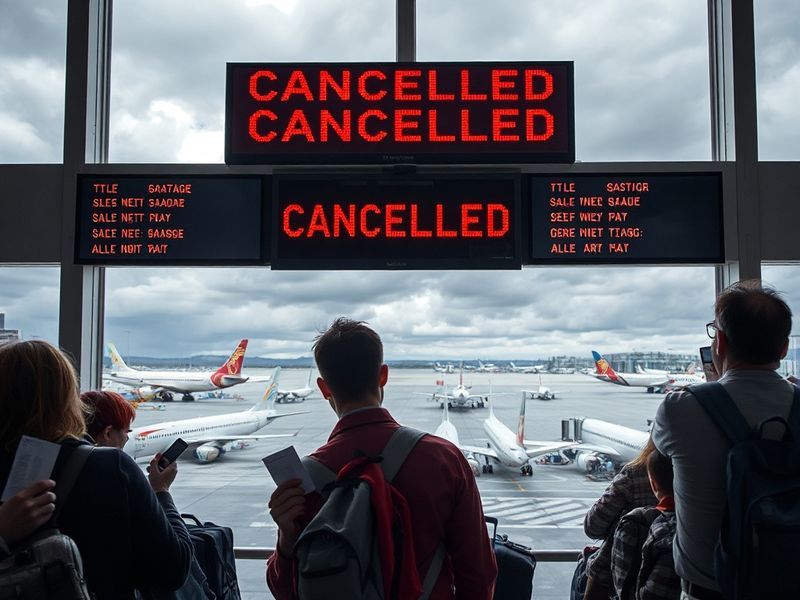
Fuel expenses represent one of the largest operational costs for airlines, often accounting for 20-30% of total expenses. When fuel prices spike—whether due to geopolitical tensions, supply chain disruptions, or refining bottlenecks—airlines face an immediate financial squeeze. The result? Widespread flight cancellations and reduced schedules designed to cut costs and preserve cash flow.
In recent months, major carriers have announced sweeping cuts to their flight networks. United Airlines, for example, reduced its summer schedule by up to 10,000 flights, citing “persistent fuel price volatility.” Delta Air Lines followed suit, trimming routes and warning of potential cancellations during peak travel periods. These decisions aren’t just about profit margins—they reflect a growing tension between consumer demand and economic reality in the aviation sector.
Why Fuel Costs Are Sending Airlines Back to the Drawing Board
The link between fuel prices and flight cancellations is both direct and unavoidable. Jet fuel, refined from crude oil, is a global commodity subject to the same market forces that affect gasoline and diesel. When oil prices surge—reaching over $100 per barrel in early 2024—the cost of operating a single flight can increase by tens of thousands of dollars.
Airlines have limited tools to mitigate this risk. Fuel hedging provides some protection, but not all carriers hedge effectively, and even those that do can be overwhelmed by sudden price spikes. Most airlines pass a portion of increased fuel costs to passengers through higher ticket prices, but there’s a ceiling to how much travelers are willing to pay—especially after years of post-pandemic price surges.
As a result, carriers are making tough choices. They’re grounding older, less fuel-efficient aircraft. They’re cutting low-demand routes, often in smaller cities where ticket prices can’t cover rising fuel expenses. And in some cases, they’re temporarily reducing flight frequency on popular routes to spread costs over fewer departures.
Who Bears the Brunt of Flight Cancellations?
While airlines manage the headlines, the ripple effects touch passengers most directly. Travelers—especially those with tight connections, business itineraries, or non-refundable plans—are often left scrambling. Families planning vacations face upheaval. Students returning from study abroad scramble to rebook. Commuters who rely on regional flights find their options vanishing overnight.
The hardest-hit passengers are typically those traveling during peak seasons, when demand is high but so are fuel prices. Airlines prioritize fuller flights, which means routes with lower load factors are first on the chopping block. Smaller regional carriers, which often operate under capacity purchase agreements with major airlines, are particularly vulnerable. When their contracts become unprofitable, they may suspend service entirely.
Compensation policies vary widely. Under U.S. Department of Transportation rules, airlines are required to provide refunds if cancellations are within their control—but only if the disruption is significant. Many passengers report long hold times with customer service lines and inconsistent responses from airline staff. The emotional and financial toll on travelers is real, and frustration is growing.
Industry Responses: Hedging, Slowdowns, and Strategic Pivots
Airlines aren’t standing idle. Some are accelerating fleet modernization, retiring gas-guzzling planes like the Boeing 767 and Airbus A330 in favor of more efficient models such as the Boeing 737 MAX and Airbus A320neo. These newer aircraft burn up to 20% less fuel per seat, offering long-term relief—but they come with hefty capital costs.
Others are doubling down on fuel hedging strategies. Delta, for instance, has a long-standing hedging program that locks in fuel prices months in advance. While this shields the airline from short-term volatility, it also means missing out on potential price drops—a gamble that can backfire when oil prices fall.
Several carriers are also exploring alternative revenue streams. Cargo operations, once a minor side business, are now central to profitability for airlines like American and United. Freight demand remains strong, and belly cargo space offers a buffer when passenger demand softens due to high fares or cancellations.
Still, the structural challenges remain. The global refining capacity for jet fuel is limited, and geopolitical instability—from conflicts in the Middle East to sanctions on Russia—can disrupt supply overnight. Climate policies, including carbon pricing and sustainable aviation fuel (SAF) mandates, add another layer of cost without immediate operational benefits.
What’s Next for Travelers and Airlines?
The short-term outlook suggests more cancellations and higher fares. Consumers should expect limited availability on popular routes, especially during holidays and summer breaks. Booking early, choosing flexible tickets, and monitoring airline notifications are now essential strategies.
Longer term, the industry faces a reckoning. Airlines that fail to adapt—whether through fuel efficiency, route optimization, or financial hedging—risk falling behind. Those that succeed may emerge leaner, more agile, and better prepared for the next energy shock.
One thing is clear: fuel prices are no longer just a line item on an airline’s balance sheet. They’re a strategic disruptor, reshaping how we travel, where we go, and how much we pay to get there.
Key Takeaways for Travelers and Industry Watchers
- Fuel costs drive cancellations: Airlines cut flights when jet fuel prices rise sharply, especially on less profitable routes.
- Passengers feel the pinch: Higher fares and reduced schedules disproportionately affect families, commuters, and travelers with tight itineraries.
- New aircraft offer relief: Fuel-efficient planes like the Boeing 737 MAX and Airbus A320neo help reduce long-term costs but require major investment.
- Hedging is a double-edged sword: While it protects against price spikes, poor hedging or delayed reactions can increase losses during market downturns.
- Diversification matters: Airlines are relying more on cargo, premium cabins, and ancillary fees to offset fuel-related losses.
For now, travelers should plan with flexibility in mind. Check your airline’s schedule regularly, consider travel insurance, and have backup options ready. The days of cheap, plentiful flights may be on pause—at least until the fuel markets stabilize.
One thing is certain: the airline industry’s relationship with fuel is far from over. It’s evolving, and so will the way we fly.
See Also
- Travel News & Tips – Get the latest on airline policies, route changes, and travel advisories.
- Business & Finance – Explore how rising fuel costs are affecting global markets and corporate travel budgets.