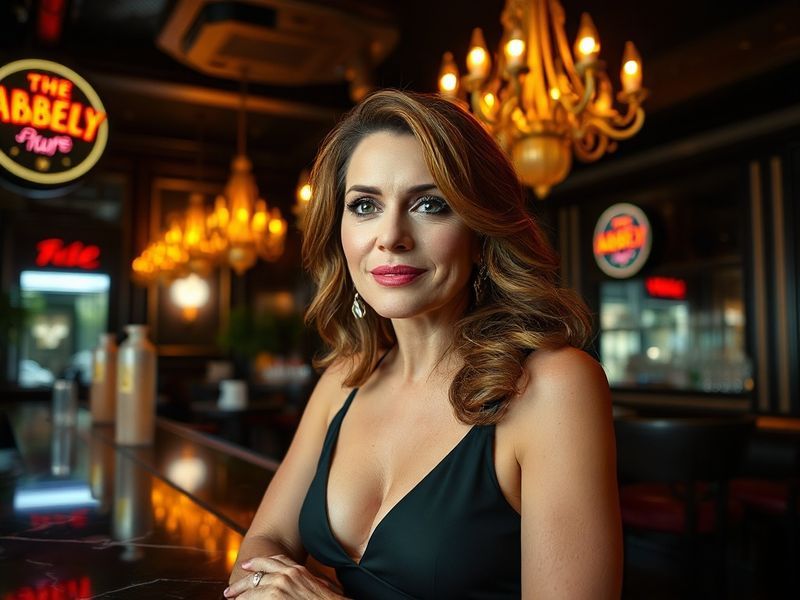
Lisa Vanderpump’s career defies easy categorization. She is neither a traditional Hollywood starlet nor a Silicon Valley disruptor, yet her influence spans restaurants, television, and philanthropy with uncommon consistency. Over four decades, she has transformed a modest inheritance into a global brand while maintaining a reputation for warmth and authenticity—a rare combination in the entertainment industry.
The British restaurateur-turned-reality-TV-icon didn’t set out to become a cultural touchstone. Instead, her path emerged from a combination of opportunity, adaptability, and an instinct for hospitality that felt both timeless and ahead of its time. From London’s West End to Beverly Hills, her ventures have reflected a singular vision: that success isn’t just about profit, but about creating spaces where people feel welcome.
From London to Beverly Hills: The Making of a Lifestyle Mogul
Vanderpump began her journey not on camera, but behind the bar. In 1978, she opened the doors to Lavender Club in London’s West End, a nightclub that quickly became a hangout for artists and musicians. It was there that she met her future husband, Vanderpump Rules co-star Ken Todd, and began to cultivate a reputation as someone who understood how to curate experiences—not just serve drinks.
By the 1990s, she had shifted focus to restaurants, launching Vanderpump’s Restaurant in London before expanding to Los Angeles with SUR (Sexy Unique Restaurant) in 1998. The West Hollywood hotspot became a magnet for Hollywood’s elite, blending European charm with West Coast glamour. It wasn’t long before the restaurant’s success led to television offers, most notably Vanderpump Rules, which premiered in 2013 and turned her bar staff into unlikely stars.
What set her apart was her hands-on leadership. Unlike many celebrities who license their names, Vanderpump remained deeply involved in operations. She insisted on sourcing ingredients herself, training staff in hospitality as a craft, and maintaining a level of personal engagement that felt almost anachronistic in the age of corporate branding. This approach didn’t just build businesses—it built loyalty.
Key Achievements in Hospitality and Entertainment
- Lavender Club (1978) – One of London’s first celebrity nightclubs, frequented by artists like David Bowie and The Rolling Stones.
- SUR (1998) – A West Hollywood institution that became a cornerstone of the Sunset Strip’s dining scene.
- TomTom (2018) – A modern West Hollywood restaurant and bar that reimagined the Vanderpump aesthetic with a sleeker, more contemporary look.
- Vanderpump Rules (2013–present) – A reality series that turned her employees into pop culture figures, proving the power of authentic storytelling.
- Vanderpump Dogs (2011) – A no-kill animal sanctuary in Los Angeles, reflecting her lifelong commitment to animal welfare.
Television and the Reinvention of Celebrity
Vanderpump’s rise on television was not a calculated career pivot, but a natural extension of her public persona. As the owner of a high-profile restaurant, she was already a public figure in Los Angeles, known for her sharp wit, British charm, and unapologetic opinions. When The Real Housewives of Beverly Hills premiered in 2009, she joined the cast as a supporting player—until her sharp tongue and undeniable charisma made her a standout.
Her chemistry with co-stars like Kyle Richards and Camille Grammer fueled the show’s success. But it was Vanderpump Rules, a spin-off focusing on her bar staff, that truly cemented her legacy. Unlike traditional reality TV, which often thrives on manufactured drama, Vanderpump’s world felt authentic. The conflicts arose organically from workplace dynamics, and the stakes—keeping a job, managing relationships, building a career—were relatable.
This approach had broader implications. In an era dominated by influencer culture and carefully curated personas, Vanderpump offered something different: a reality show that felt like a workplace drama more than a stunt. Her presence reminded audiences that celebrity didn’t have to mean artificiality. It could mean competence, hard work, and a refusal to play by the usual rules.
The Vanderpump Brand: Authenticity as a Business Model
What makes Vanderpump’s career so instructive is how she built a brand without compromising her values. In an industry where reinvention often means shedding one’s past, she has consistently leaned into her roots—British hospitality, animal activism, and a commitment to treating people well. Her ventures reflect a philosophy that success and kindness are not mutually exclusive.
This ethos has resonated beyond the restaurant and television industries. It speaks to a growing consumer demand for businesses that prioritize ethics, sustainability, and human connection. Vanderpump’s ability to monetize her values—through partnerships with brands like Vanderpump Rosé, her vegan wine label—shows how authenticity can be a competitive advantage in the modern marketplace.
Yet, her journey hasn’t been without challenges. The COVID-19 pandemic forced the temporary closure of SUR and TomTom, testing her resilience. But rather than retreat, she adapted, launching a virtual event series and expanding her online presence. It was a reminder that adaptability, not just consistency, is key to longevity.
The Legacy: More Than Just a Restaurant Owner
Lisa Vanderpump’s career offers lessons that extend far beyond the hospitality and entertainment sectors. She demonstrates how a leader can build a global brand without sacrificing integrity. She shows that authenticity isn’t a marketing gimmick—it’s a strategy. And she proves that celebrity doesn’t have to mean emptiness; it can mean substance.
As social media continues to blur the lines between personal and professional, Vanderpump’s career stands as a counterpoint to the curated influencer economy. She didn’t build her brand by posting curated selfies or chasing viral moments. She built it by creating spaces—both physical and emotional—where people wanted to be.
In an era where trust in institutions is eroding, her success suggests that the future may belong to those who prioritize human connection over algorithms. Whether through a meal, a television show, or a rescue dog, Vanderpump has consistently delivered one thing: the sense that she’s on your side.
That might be her most enduring legacy of all.
To explore more about the intersection of media and celebrity culture, visit our Entertainment and Culture sections for deeper analysis and trends.