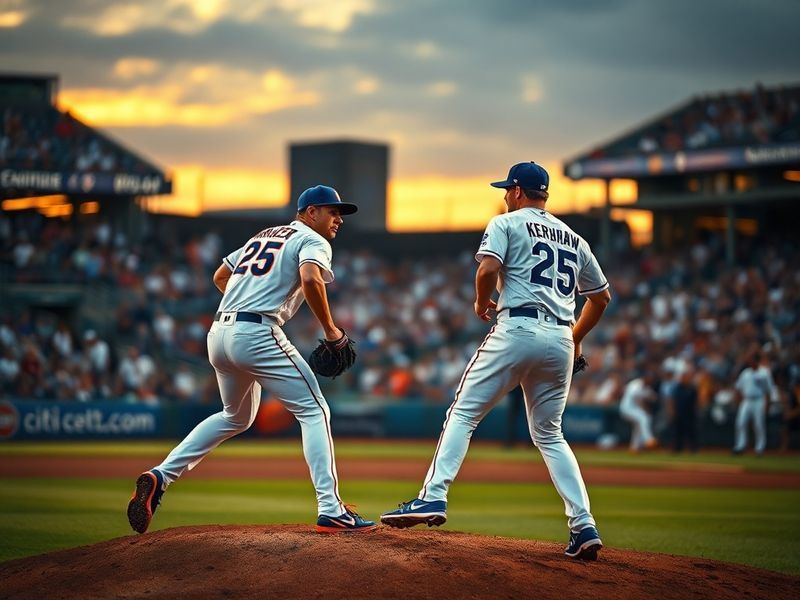
The New York Mets and the Los Angeles Dodgers share one of baseball’s most storied rivalries, a clash that transcends the diamond and echoes through decades of sports history. While their on-field battles have captivated fans for generations, the cultural and geographical divide between New York and Los Angeles adds layers to this competition that go far beyond wins and losses.
This rivalry is more than a contest between two teams; it’s a reflection of two American cities with distinct identities, ambitions, and fanbases. The Mets-Dodgers matchup isn’t just a game—it’s a narrative of blue-collar grit versus West Coast glamour, of underdog stories versus established dynasties. To understand its significance, we must look beyond the box scores and examine the broader context of what these teams represent.
The Origins of a Cross-Country Clash
The rivalry between the Mets and Dodgers dates back to 1962, when the Mets were an expansion team and the Dodgers had already established themselves as a powerhouse in Los Angeles. The Dodgers, originally from Brooklyn, had moved west in 1958, leaving behind a deeply loyal fanbase that felt abandoned. The Mets, born in New York’s National League void, became the spiritual successors to the Dodgers’ Brooklyn legacy, inheriting a fanbase hungry for success.
In their early years, the Mets struggled, becoming synonymous with losing. Yet, their underdog status resonated with New Yorkers who saw themselves in the team’s resilience. The Dodgers, meanwhile, thrived in Los Angeles, blending West Coast optimism with the grit of their Brooklyn roots. This contrast set the stage for a rivalry that was as much about identity as it was about baseball.
Over the years, the teams have met in high-stakes moments, from the 1988 NLCS—where the Dodgers’ Kirk Gibson’s legendary home run silenced the Mets—to the 2015 World Series, where the Mets’ young pitching staff challenged the Dodgers’ powerhouse lineup. These moments have cemented the rivalry’s place in baseball lore, but they also reflect deeper cultural shifts in American sports.
The Cultural Divide: New York vs. Los Angeles
The Mets and Dodgers embody the contrasting personalities of their cities. New York, with its frenetic energy, blue-collar roots, and relentless pace, is the perfect backdrop for a team like the Mets. The franchise’s early struggles mirrored the city’s own challenges in the 1960s, when New York was grappling with urban decay and economic uncertainty. The Mets’ eventual triumphs, including their 1969 and 1986 World Series wins, became symbols of resilience for a city that refused to stay down.
Los Angeles, on the other hand, represents the optimism of the American West—a city of dreams, where glamour and ambition collide. The Dodgers’ move to LA in 1958 was a statement: baseball was no longer confined to the East Coast. The team’s success in California, with multiple World Series titles and a star-studded lineup, reflected the city’s own transformation into a global powerhouse. The Dodgers became the team of Hollywood, celebrity, and sunshine, while the Mets remained tied to New York’s unglamorous, hardworking ethos.
This cultural divide is evident in how fans view their teams. Mets supporters are often seen as loyal to a fault, weathering decades of disappointment with unwavering passion. Dodgers fans, meanwhile, enjoy a blend of success and star power, with a fanbase that spans from die-hard locals to celebrities and international audiences. The rivalry, then, is not just about baseball—it’s about what each team represents in the broader American landscape.
Fan Culture and Global Influence
The Mets and Dodgers have also become global brands, attracting fans from around the world. The Dodgers, with their Spanish-language broadcasts and historic ties to the Latino community, have a particularly strong international presence. Their games are watched in Latin America, Asia, and beyond, making them one of MLB’s most globally recognized teams.
The Mets, while smaller in global reach, have a dedicated following in places like Japan and the Caribbean, where their players have left a lasting impact. The rivalry’s global appeal speaks to baseball’s ability to transcend borders, bringing together diverse cultures under the banner of sport.
Key Moments That Defined the Rivalry
The Mets-Dodgers rivalry has produced some of baseball’s most unforgettable moments. These games weren’t just about wins and losses—they were about pride, legacy, and the sheer will to outlast the other. Below are some of the most iconic clashes in the history of this rivalry:
- 1988 NLCS: The Dodgers’ Kirk Gibson’s walk-off home run in Game 1 remains one of the most dramatic moments in playoff history, silencing the raucous Mets crowd at Shea Stadium.
- 2006 Subway Series: Though not a playoff matchup, the interleague series between the Mets and Yankees (the city’s other team) highlighted the intensity of New York baseball, with the Dodgers looming as the NL counterpart.
- 2015 World Series: The Mets’ young pitching staff, led by Noah Syndergaard and Jacob deGrom, pushed the Dodgers to the brink in a hard-fought series that showcased the NL East vs. NL West divide.
- 2019 NLDS: The Dodgers swept the Mets in a series that signaled their dominance in the NL, while the Mets’ struggles highlighted the gap between the two franchises at the time.
These moments aren’t just highlights—they’re chapters in a larger story of competition, pride, and the ever-shifting balance of power in baseball.
Why This Rivalry Still Matters Today
In an era where baseball is struggling to retain younger audiences, the Mets-Dodgers rivalry remains a bright spot. It’s a reminder of what makes the sport special: tradition, passion, and the stories that unfold over decades. For fans, this rivalry isn’t just about who wins—it’s about being part of something bigger than themselves.
The Mets and Dodgers also represent the evolution of baseball itself. The Mets’ recent resurgence under young stars like Pete Alonso and Francisco Lindor has renewed interest in the rivalry, while the Dodgers’ continued excellence ensures that every matchup is must-watch baseball. Whether in New York’s electric atmosphere or Los Angeles’ star-studded stadium, these games are a celebration of what makes baseball unique.
Beyond the field, the rivalry also reflects broader trends in sports and culture. The rise of social media has intensified fan interactions, with debates and trash talk playing out in real time across platforms. The Mets and Dodgers’ global followings mean that this rivalry isn’t confined to the U.S.—it’s a worldwide phenomenon, with fans from Tokyo to Toronto weighing in on every pitch and play.
As baseball looks to the future, rivalries like Mets vs. Dodgers will be crucial in keeping the sport relevant. They provide the drama, history, and cultural significance that casual fans and die-hards alike can rally behind. In a league often criticized for its lack of compelling rivalries, this cross-country clash stands out as a testament to the power of sport to unite and divide, inspire and frustrate, all at once.
For fans of both teams, the Mets-Dodgers rivalry is more than a contest—it’s a tradition, a legacy, and a reminder of why baseball has endured for over a century. Whether you’re cheering from the stands of Citi Field or Dodger Stadium, one thing is certain: this rivalry is far from over.
For more sports coverage, visit our Sports section.