Miu Miu’s Rise: How a Prada Side Project Became a Fashion Powerhouse
“`html
Miu Miu: The Quiet Powerhouse Reshaping Modern Fashion
Miu Miu, the lesser-known sibling of Prada, has quietly evolved into one of the most influential forces in contemporary fashion. While Prada sets trends with its intellectual, architectural designs, Miu Miu thrives in the realm of the unexpected—delivering whimsical, often subversive creations that challenge conventional beauty standards. Its rise isn’t just a corporate success story; it reflects broader shifts in how luxury brands engage with youth culture, sustainability, and digital-native consumers.
Founded in 1993 as a diffusion line for Prada, Miu Miu was initially positioned as a more accessible alternative. Over the years, however, it has carved out its own identity, blending vintage-inspired aesthetics with avant-garde twists. The brand’s ability to oscillate between nostalgia and innovation has made it a favorite among fashion purists and streetwear enthusiasts alike. This dual appeal is no accident—it’s the result of deliberate strategy and cultural curation.
The Cultural Impact of Miu Miu’s Aesthetic
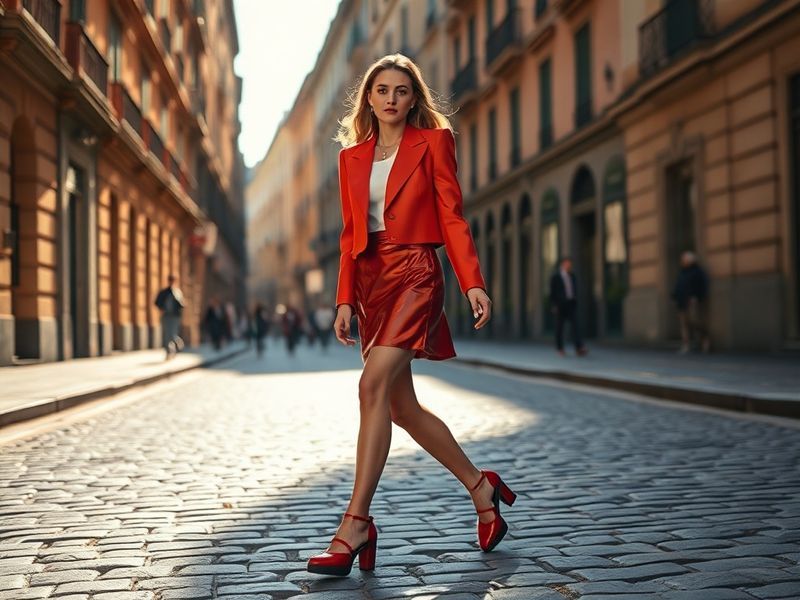
Miu Miu’s aesthetic is a study in contrasts. On one hand, it embraces vintage silhouettes—think high-waisted trousers, puff-sleeve blouses, and intricate lace details—rooted in early 20th-century fashion. On the other, it infuses these classic elements with modern irreverence, often through bold color choices, exaggerated proportions, or unexpected fabric pairings. This juxtaposition has made Miu Miu a go-to for celebrities and influencers seeking to stand out without sacrificing sophistication.
The brand’s runway shows are particularly notable for their theatricality. Recent collections have featured surrealist themes, with models walking in exaggerated headpieces, mismatched patterns, and even full-body prosthetics. These choices aren’t merely for shock value; they reflect Miu Miu’s commitment to storytelling in fashion. Each collection feels like a carefully crafted narrative, often drawing from art, literature, or film.
Miu Miu’s collaboration with artists and designers further amplifies its cultural footprint. Past partnerships have included figures like artist Collier Schorr and designer Simone Rocha, each bringing a unique perspective to the brand’s vision. These collaborations aren’t just about product drops—they’re about creating cultural moments that resonate far beyond the fashion world.
Why Miu Miu Appeals to a New Generation of Consumers
One of Miu Miu’s most significant achievements is its ability to resonate with Gen Z and millennial consumers. Unlike traditional luxury brands that rely on heritage and exclusivity, Miu Miu thrives on relatability and self-expression. Its marketing strategy is a masterclass in modern brand-building, leveraging social media, influencer partnerships, and user-generated content to create a sense of community.
The brand’s Instagram presence, in particular, is a study in curated chaos. Feeds are filled with a mix of high-fashion photography, candid behind-the-scenes shots, and meme-worthy moments. This approach makes Miu Miu feel less like a distant luxury brand and more like a friend who just happens to have an impeccable sense of style. It’s a strategy that aligns perfectly with the values of younger consumers, who prioritize authenticity and individuality over rigid brand hierarchies.
Miu Miu’s pricing strategy also plays a role in its appeal. While not as accessible as fast-fashion brands, its prices are significantly lower than those of its parent company, Prada. This makes it easier for emerging fashion enthusiasts to invest in key pieces without breaking the bank. The result is a brand that feels both aspirational and attainable—a rare balance in the luxury market.
Key Factors Behind Miu Miu’s Success
- Cultural Relevance: Miu Miu consistently taps into contemporary cultural movements, from surrealism to vintage revivalism, ensuring its designs feel fresh and timely.
- Strategic Collaborations: By partnering with artists and designers, Miu Miu elevates its collections beyond mere clothing into the realm of art and cultural commentary.
- Digital-First Approach: The brand’s social media strategy is a masterclass in blending high fashion with internet culture, making it highly shareable and engaging.
- Balanced Pricing: Miu Miu’s pricing strikes a balance between luxury and accessibility, appealing to both seasoned collectors and new buyers.
Broader Implications: How Miu Miu Reflects Shifting Fashion Norms
Miu Miu’s success isn’t just a win for the brand—it’s a sign of broader shifts in the fashion industry. As consumers increasingly seek out brands that align with their values, Miu Miu’s ability to blend nostalgia, innovation, and cultural relevance positions it as a leader in this new landscape. The brand’s emphasis on storytelling and artistic collaboration sets a precedent for how luxury labels can engage with modern audiences without losing their core identity.
Moreover, Miu Miu’s approach to sustainability reflects a growing trend in the industry. While it’s not yet a fully sustainable brand, its use of deadstock fabrics and vintage-inspired designs aligns with consumer demand for more ethical practices. This is a step in the right direction, even if there’s still room for improvement.
Another notable trend is the blurring of lines between high fashion and streetwear. Miu Miu’s designs, with their playful yet polished aesthetic, fit seamlessly into this hybrid space. This crossover appeal is reshaping how luxury brands think about their audiences, forcing them to reconsider traditional boundaries and embrace a more inclusive approach.
The Future of Miu Miu and What It Means for Fashion
Looking ahead, Miu Miu appears poised to continue its upward trajectory. The brand’s leadership under Miuccia Prada—a visionary who has consistently pushed boundaries—ensures that innovation remains at its core. Upcoming collections are likely to further explore themes of surrealism, sustainability, and digital culture, keeping the brand at the forefront of fashion conversations.
For other brands, Miu Miu’s success offers valuable lessons. In an era where consumers crave authenticity and creativity, the ability to tell a compelling story and foster a sense of community is more important than ever. Miu Miu’s journey from a side project to a cultural force underscores the power of staying true to a unique vision while adapting to the ever-changing landscape of fashion.
As the brand continues to evolve, one thing is clear: Miu Miu isn’t just a fashion label. It’s a cultural movement—one that celebrates individuality, challenges norms, and redefines what luxury can be.
For those interested in exploring more about the intersection of fashion and culture, check out our Fashion and Culture categories on Dave’s Locker.