The Munich Open: A Tennis Tradition Blending Sport, Culture, and Global Appeal
The Munich Open, known officially as the BMW Open, is one of Europe’s most storied tennis tournaments—a competition that has evolved from a local Bavarian event into an internationally recognized stop on the ATP Tour. Held annually at the MTTC Iphitos venue in Munich, Germany, the tournament carries a legacy that stretches back to 1900, making it one of the oldest tennis events in the world. Over the decades, it has grown from a grassroots competition into a premier clay-court event, offering players a vital warm-up for the French Open while serving as a cultural bridge between sport and society in Bavaria and beyond.
This year’s edition continued that tradition, drawing top international talent and a diverse global audience. As tennis expands its footprint across continents, the Munich Open remains a key fixture—one that reflects broader trends in the sport: the rise of European clay-court specialists, the influence of German tennis icons, and the growing importance of regional tournaments in an era dominated by global tours and digital streaming.
The Tournament’s Enduring Legacy and Place in Tennis History
Founded as the Münchner Tennis- und Turnierclub Iphitos, the Munich Open began as part of a broader European tennis circuit that included events in Monte Carlo, Rome, and Hamburg. These tournaments formed the backbone of the pre-French Open season, allowing players to adapt to clay surfaces and build momentum heading into Roland Garros. The Munich Open has been a consistent presence in this cycle, even surviving two world wars and adapting to changes in the sport’s professional structure.
One of the tournament’s most celebrated moments came in 1989, when Michael Stich claimed his first ATP title in Munich before going on to win Wimbledon later that year. Stich’s victory underscored the tournament’s role as a launchpad for German talent. In more recent years, Alexander Zverev—one of Germany’s brightest stars—has made multiple appearances at the Munich Open, reinforcing the country’s strong tennis culture.
The event has also hosted legends like Roger Federer, Novak Djokovic, and Rafael Nadal, though its clay surface often favors baseliners and serve-and-volley specialists over the hard-court power hitters who dominate elsewhere. This has given the Munich Open a distinct identity: a tactical, endurance-driven competition where patience and precision matter more than sheer athleticism.
From Local Tradition to Global Stage: The Tournament’s Cultural Role
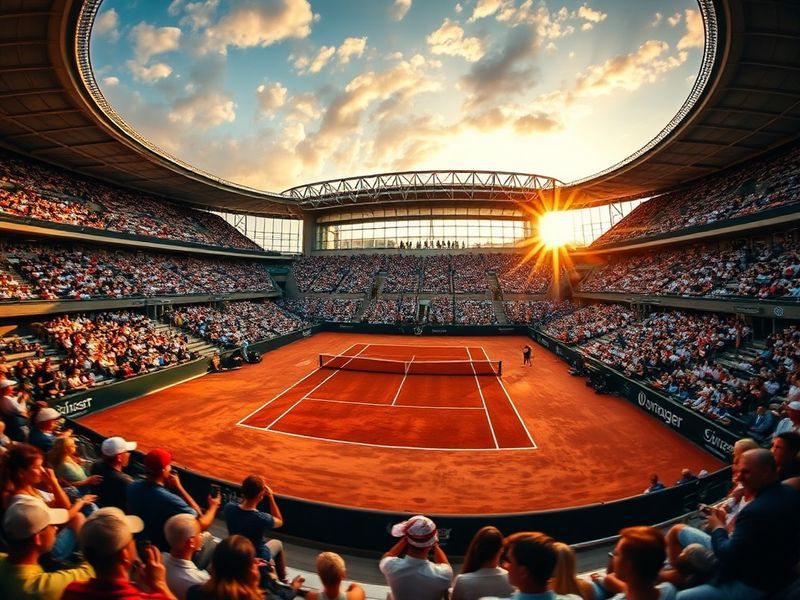
While the Munich Open is undeniably a sporting event, its significance extends into Bavaria’s social and cultural fabric. The tournament takes place in late April or early May, coinciding with the arrival of spring in southern Germany. The setting—lush green courts surrounded by mature trees at the MTTC Iphitos—creates a serene yet vibrant atmosphere, blending athletic competition with the region’s love for outdoor leisure and hospitality.
For Bavarians, the event is more than tennis. It’s a celebration of local pride, a weekend destination for families, and an opportunity for cultural exchange. The tournament’s organizers have capitalized on this by integrating music, food, and art into the experience. Live performances by German and international artists, pop-up beer gardens serving traditional Bavarian brews, and open-air dining areas make the Munich Open a social festival as much as a sporting one.
This fusion of sport and culture reflects a broader trend in European tennis. Unlike the more commercialized Grand Slams, many ATP 250 and 500 events—like the Munich Open—retain a regional charm that appeals to both die-hard fans and casual spectators. It’s a model that contrasts with the high-octane, media-saturated events in North America and Asia, offering a more intimate and community-oriented experience.
Modern Challenges and the Future of the Munich Open
Despite its rich history, the Munich Open faces challenges common to many traditional tournaments in an increasingly globalized sport. One of the biggest hurdles is maintaining relevance in an era where fans consume tennis primarily through streaming platforms and social media. While the tournament draws strong crowds in person—averaging over 20,000 spectators annually—its global viewership remains modest compared to marquee events like the US Open or Wimbledon.
To address this, the ATP and local organizers have invested in digital innovation. The 2023 edition introduced enhanced live-streaming options, interactive fan engagement tools, and behind-the-scenes content featuring players. These efforts aim to attract younger audiences who expect real-time interaction and personalized experiences. Additionally, the tournament has expanded its sustainability initiatives, aligning with Germany’s strong environmental policies by reducing single-use plastics and promoting eco-friendly transportation options for attendees.
Another challenge is competition from larger European events. The Monte-Carlo Masters and Madrid Open offer bigger prize money and higher-ranked fields, making it difficult for smaller tournaments like Munich to attract top seeds consistently. To counter this, the Munich Open has leaned into its unique identity: a smaller, more accessible event where fans can get close to the action and players can enjoy a less pressured environment.
Why the Munich Open Matters Beyond the Court
The Munich Open’s enduring appeal lies in its ability to balance tradition with modernity. It’s a tournament where history is honored—through the legends who have played there, the architecture of the venue, and the rituals of the event—but where innovation is also embraced through technology, sustainability, and fan experience. In an era where sports are increasingly homogenized, the Munich Open stands out as a distinctly European event: rooted in local culture yet connected to a global audience.
For tennis purists, it offers a glimpse into the sport’s past, a reminder of an era when tournaments were as much about community as they were about competition. For younger fans, it provides an accessible entry point into professional tennis, where they can see future stars in the making. And for Bavarians, it remains a point of pride—a weekend where sport, culture, and regional identity come together under the spring sun.
As tennis continues to evolve, the Munich Open’s role may shift, but its essence is unlikely to change. It will remain a place where champions are made, where traditions are upheld, and where the spirit of tennis is celebrated in all its forms.
A Final Look at What Makes the Tournament Unique
The Munich Open stands apart for several reasons:
- Historic Venue: Played at MTTC Iphitos, one of Germany’s oldest tennis clubs, with a clubhouse that exudes old-world charm.
- Clay-Court Tradition: One of the few ATP events played on red clay outside the traditional “Golden Swing” in South America.
- Cultural Integration: Blends tennis with Bavarian music, food, and hospitality, creating a festival-like atmosphere.
- German Tennis Pipeline: A proving ground for rising German talent, from Michael Stich to Alexander Zverev.
- Fan Accessibility: Known for its relaxed, intimate setting where spectators can interact with players easily.
Whether you’re a tennis aficionado, a culture enthusiast, or simply someone who appreciates a well-run sporting event, the Munich Open offers something for everyone. In a sport often dominated by superstars and spectacle, it’s a refreshing reminder of tennis’s grassroots beauty.
As we look ahead to future editions, one thing is certain: the Munich Open will continue to serve as a vital link between tennis’s past, present, and future—one match at a time.