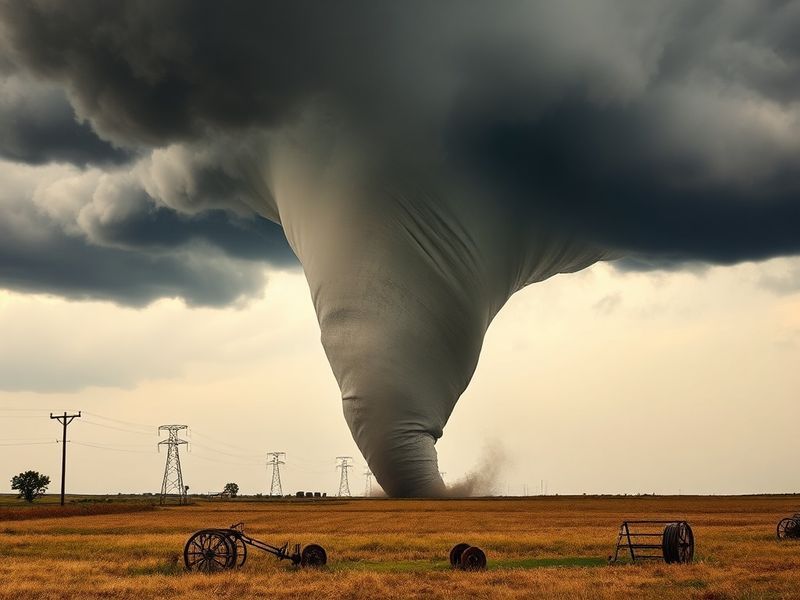
Tornado Warning Alerts: How to Stay Safe When Storms Strike
“`html
Weather Tornado Warning: Understanding the Alerts and Staying Safe
Every year, tornadoes carve paths of destruction across the United States, leaving communities to grapple with the aftermath. When the sky darkens and the wind howls, a weather tornado warning is issued by meteorologists to alert residents of imminent danger. Understanding these alerts—and knowing how to respond—can mean the difference between safety and tragedy.
Tornado warnings are not issued lightly. They represent the culmination of real-time data from radar, storm spotters, and atmospheric models, all pointing to a confirmed tornado. Unlike watches, which indicate conditions are favorable for tornadoes, warnings signify that a tornado has been spotted or is imminent. This distinction is critical for residents in affected areas, as it demands immediate action.
How Tornado Warnings Are Issued
The process begins with the National Weather Service (NWS), which operates a network of 122 local forecast offices across the country. When a tornado is detected—either through Doppler radar signatures like debris balls or rotation, or by trained spotters on the ground—the NWS issues a tornado warning for the affected counties. These warnings typically last for 30 to 45 minutes but can be extended if the threat persists.
Modern technology has improved the accuracy and lead time of these warnings. Dual-polarization radar, for example, can detect the shape and size of particles in the air, helping meteorologists distinguish between rain, hail, and debris lofted by a tornado. Additionally, the NWS’s Weather Forecast Offices now use advanced algorithms to issue warnings faster, often providing 10 to 15 minutes of advance notice.
The warnings are disseminated through multiple channels: NOAA Weather Radio, emergency alert systems on smartphones, local news broadcasts, and even social media platforms. The goal is to reach as many people as possible before the tornado strikes. However, challenges remain, particularly in rural areas where sirens may not be heard indoors or where power outages disrupt electronic alerts.
What to Do When a Tornado Warning Is Issued
Receiving a tornado warning can be terrifying, but having a plan in place reduces panic and saves lives. The first step is to seek shelter immediately. The safest locations are basements, storm shelters, or interior rooms on the lowest floor of a sturdy building, away from windows. Mobile homes and vehicles are extremely dangerous during tornadoes, so residents should identify a nearby sturdy building or designated storm shelter in advance.
If you’re outdoors with no access to shelter, experts advise lying flat in a low-lying area, such as a ditch, and covering your head with your hands to protect against flying debris. This position minimizes exposure to the tornado’s most destructive winds. Never try to outrun a tornado in a car; instead, seek shelter indoors or in a ditch if escape isn’t possible.
After securing shelter, stay informed by monitoring updates from the NWS or local authorities. Avoid using elevators, as power outages could trap you. Once the warning expires, be cautious when emerging from shelter, as downed power lines and structural damage pose additional hazards.
For those who live in tornado-prone regions, preparedness is key. The following checklist outlines essential steps to take before, during, and after a tornado:
- Before the Storm: Identify your safest shelter location, whether it’s a basement, storm cellar, or interior room. Keep emergency supplies—water, non-perishable food, flashlights, a first-aid kit, and a portable weather radio—readily accessible. Practice tornado drills with your household so everyone knows where to go and what to do.
- During the Warning: Act immediately. If you’re at home, go to your designated shelter. If you’re at work or school, follow the tornado drill protocol. Wear sturdy shoes and a helmet if available to protect against head injuries from flying debris.
- After the Storm: Check for injuries and administer first aid if needed. Avoid downed power lines, as they may still be live. Inspect your property for damage, but be cautious of gas leaks, broken glass, and unstable structures. Use battery-powered lights instead of candles to reduce fire risk.
The Broader Impact of Tornado Warnings
While tornado warnings save countless lives, they also come with economic and psychological costs. The disruption to daily life—school closures, business shutdowns, and transportation delays—can strain communities, particularly in regions where tornadoes are frequent. For example, the 2011 tornado outbreak in Alabama resulted in over $2 billion in damages and left thousands displaced. The psychological toll on survivors can be profound, with many experiencing anxiety or PTSD long after the storm has passed.
Economically, tornado warnings contribute to higher insurance premiums in high-risk areas. Property owners often face increased costs for reinforced structures, storm shutters, and backup power systems. However, these measures can mitigate damage when a tornado does strike. Communities that invest in early warning systems and public education programs tend to recover more quickly from disasters.
Climate change may also be altering the frequency and intensity of tornadoes. While the total number of tornadoes in the U.S. has remained relatively stable, research suggests that tornadoes are becoming more concentrated in fewer days per year. This clustering means that some areas experience extreme tornado outbreaks while others see prolonged periods without storms. Such patterns complicate long-term planning for emergency responders and residents alike.
How Technology Is Improving Tornado Detection
The evolution of tornado detection technology has significantly enhanced warning times. The NWS’s dual-pol radar, implemented nationwide in 2013, allows meteorologists to distinguish between different types of precipitation and debris, improving the accuracy of tornado warnings. Additionally, machine learning models are being developed to analyze radar data in real time, potentially providing even earlier detection of tornado formation.
Drones equipped with sensors are also being tested to gather data from the heart of severe storms, offering insights that were previously impossible to obtain. These advancements could lead to warnings that provide 30 minutes or more of lead time, giving residents even more time to prepare. However, technology alone cannot prevent all tornado-related injuries or deaths. Public awareness and preparedness remain the cornerstone of tornado safety.
For those interested in learning more about severe weather preparedness, Dave’s Locker offers resources on Trending topics and emergency planning. Staying informed and proactive is the best defense against nature’s most unpredictable forces.
Final Thoughts
A tornado warning is a critical alert that demands swift and decisive action. While the science behind these warnings continues to advance, the responsibility ultimately lies with individuals and communities to heed the alerts and take shelter. By understanding how warnings are issued, preparing in advance, and staying informed, we can reduce the toll of these devastating storms.
The next time dark clouds gather on the horizon, remember: a warning is not just a notification—it’s a call to action. Take cover, stay safe, and prioritize the well-being of yourself and those around you. In the face of nature’s fury, preparation is power.