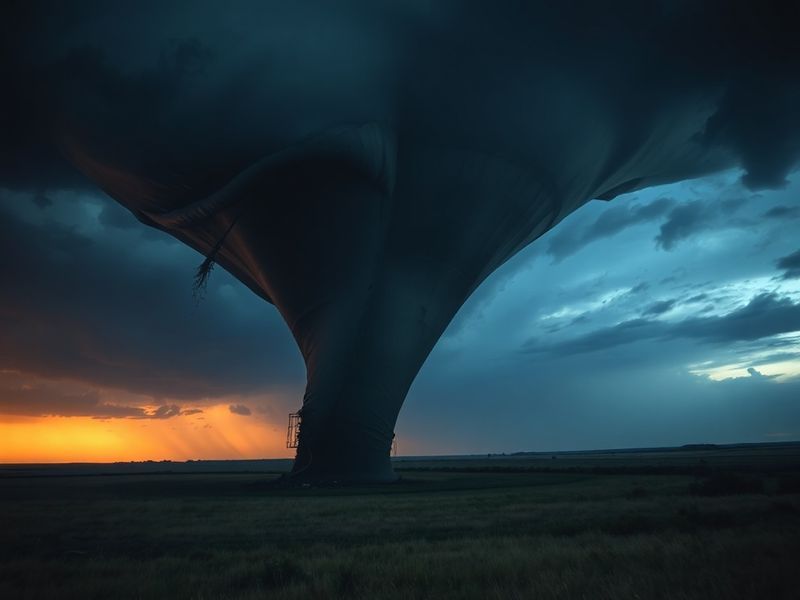
Why Kansas Tornadoes Are Among the Most Destructive in the U.S.
“`html
Tornadoes in Kansas: A State Where the Sky Demands Respect
Kansas sits in the heart of Tornado Alley, a region stretching from Texas to South Dakota where warm, moist air from the Gulf of Mexico collides with cold fronts from the Rockies. This volatile mix fuels some of the most intense and frequent tornadoes on Earth. The state averages nearly 100 tornadoes per year, with the peak season running from April through June. While tornadoes can occur at any time, these months present the highest risk due to the alignment of atmospheric conditions.
The National Oceanic and Atmospheric Administration (NOAA) classifies Kansas as one of the most tornado-prone states in the U.S., with a history of devastating storms. The infamous 2007 Greensburg tornado, an EF5 with winds exceeding 200 mph, leveled 95% of the town and killed 11 people. Such events underscore the raw power of these storms and the importance of understanding their behavior. Tornadoes in Kansas are not just weather events; they are forces that reshape communities and test the resilience of those who call the Great Plains home.
The Science Behind Kansas Tornadoes: Why the Plains Are So Vulnerable
Kansas’s geography and climate create a perfect storm for tornado formation. The state’s flat terrain allows cold, dry air from Canada to flow unobstructed southward, while warm, moist air from the Gulf of Mexico moves northward. When these air masses collide, they generate instability in the atmosphere, fueling the development of supercell thunderstorms—the parent storms of most violent tornadoes.
These supercells are characterized by rotating updrafts, known as mesocyclones, which can persist for hours. Within these storms, tornadoes form when wind shear—changes in wind speed and direction with altitude—causes the rotating updraft to tighten and intensify. Kansas’s central location means it often sits directly in the path of these storms, making it a hotspot for tornado activity.
Meteorologists use advanced tools like Doppler radar and storm chasers to track these storms. The Doppler effect allows forecasters to detect rotation within thunderstorms, providing early warnings that save lives. However, despite technological advancements, predicting the exact path and intensity of a tornado remains a challenge. The unpredictability of these storms is part of what makes them so dangerous.
Key Factors Contributing to Kansas Tornadoes
- Geographic Location: Kansas’s central position in the U.S. places it at the intersection of conflicting air masses.
- Flat Terrain: The lack of significant elevation allows storms to travel long distances without disruption.
- Climate Patterns: The contrast between cold, dry air from the north and warm, moist air from the south creates ideal conditions for supercells.
- Jet Stream Influence: The jet stream’s position over the Great Plains during spring and early summer enhances wind shear, increasing tornado potential.
The Human Impact: Communities Caught in the Storm’s Path
Tornadoes in Kansas have left indelible marks on the state’s communities. The 2007 Greensburg tornado was one of the most destructive in modern history, but it was far from an isolated incident. In 2016, multiple tornadoes touched down in Kansas within a single week, including an EF4 that struck Chapman, killing two people and causing millions in damage. These events highlight the recurring nature of tornadoes in the state and the need for ongoing preparedness.
The human toll of these storms extends beyond physical damage. Survivors often grapple with long-term psychological effects, including post-traumatic stress disorder (PTSD) and anxiety. Communities band together in the aftermath, but the emotional scars can linger for years. Schools, hospitals, and infrastructure are frequently targeted, disrupting daily life and forcing residents to rebuild from scratch.
Local governments and organizations have responded by implementing stricter building codes and emergency response plans. For example, Wichita, one of the state’s largest cities, has invested in tornado sirens and public education campaigns to ensure residents know how to react when warnings are issued. Yet, despite these efforts, the threat remains ever-present, a reminder of nature’s unpredictability.
Preparedness and Safety: How Kansas Residents Can Stay Ahead of the Storm
Living in tornado country requires vigilance and preparation. The first line of defense is awareness. Residents should familiarize themselves with the difference between a tornado watch and a tornado warning. A watch means conditions are favorable for tornadoes, while a warning indicates a tornado has been spotted or detected by radar. When a warning is issued, immediate action is critical.
Safe rooms and storm shelters are among the most effective ways to protect against tornadoes. The Federal Emergency Management Agency (FEMA) recommends shelters that meet specific criteria, such as being underground or in a small, windowless interior room. These structures can withstand winds up to 250 mph, providing a lifeline during the storm’s peak intensity.
Emergency kits are another essential component of tornado preparedness. These kits should include non-perishable food, water, flashlights, batteries, a first-aid kit, and important documents. Families should also establish a communication plan, designating a meeting point in case they are separated during the storm. Regular drills can ensure everyone knows what to do when seconds count.
Tornado Safety Checklist for Kansas Residents
- Identify Your Safe Spot: Choose a basement, storm shelter, or interior room on the lowest level of your home, away from windows.
- Stay Informed: Use a weather radio or smartphone alerts to receive real-time updates from the National Weather Service.
- Practice Drills: Conduct tornado drills with your family at least twice a year to ensure everyone knows the plan.
- Prepare an Emergency Kit: Include water, food, medications, and a portable charger for your phone.
- Secure Your Property: Install storm shutters or reinforce garage doors to minimize wind damage.
Looking Ahead: The Future of Tornadoes in Kansas
Climate change is altering the landscape of tornado activity in Kansas and beyond. While the overall number of tornadoes may not be increasing, research suggests that the intensity and duration of storms could rise. Warmer temperatures may also extend the tornado season, pushing it earlier into spring and later into fall. These shifts pose new challenges for meteorologists and emergency responders, who must adapt their strategies to an evolving threat.
Technological advancements are playing a crucial role in improving tornado detection and response. Innovations like dual-polarization radar and machine learning algorithms are enhancing forecasters’ ability to predict storm behavior. Additionally, community-based initiatives, such as storm spotter networks, provide real-time observations that complement data from satellites and radar systems.
For Kansas, the future will likely involve a combination of adaptation and resilience. Investments in resilient infrastructure, public education, and early warning systems will be essential in mitigating the impact of future storms. At the same time, residents must remain proactive, staying informed and prepared for whatever the sky may bring.
The Broader Implications of Tornado Activity in Kansas
The tornadoes that strike Kansas are not just local events; they have broader implications for the region and the nation. The destruction caused by these storms often requires significant federal and state resources for recovery. This places a financial burden on taxpayers and highlights the need for comprehensive disaster preparedness plans.
Tornadoes also serve as a reminder of the importance of climate science and environmental stewardship. While individual tornadoes cannot be directly attributed to climate change, the increasing volatility of weather patterns underscores the need for sustainable practices. Reducing greenhouse gas emissions and investing in renewable energy could help mitigate some of the long-term effects of climate change, potentially reducing the severity of future storms.
Finally, the resilience of Kansas communities offers a model for other tornado-prone regions. By sharing best practices in preparedness, response, and recovery, states across the country can learn from Kansas’s experiences. Tornadoes will always be a part of life in the Great Plains, but with the right tools and mindset, residents can face the future with confidence.
As Kansas continues to navigate the challenges posed by tornadoes, one thing is clear: the state’s relationship with the sky is one of respect, adaptation, and unyielding resilience. Whether through technological innovation, community preparedness, or environmental stewardship, the people of Kansas are determined to weather whatever storms may come.
For more insights into severe weather patterns and their broader impacts, explore our Analysis and Science categories on Dave’s Locker.