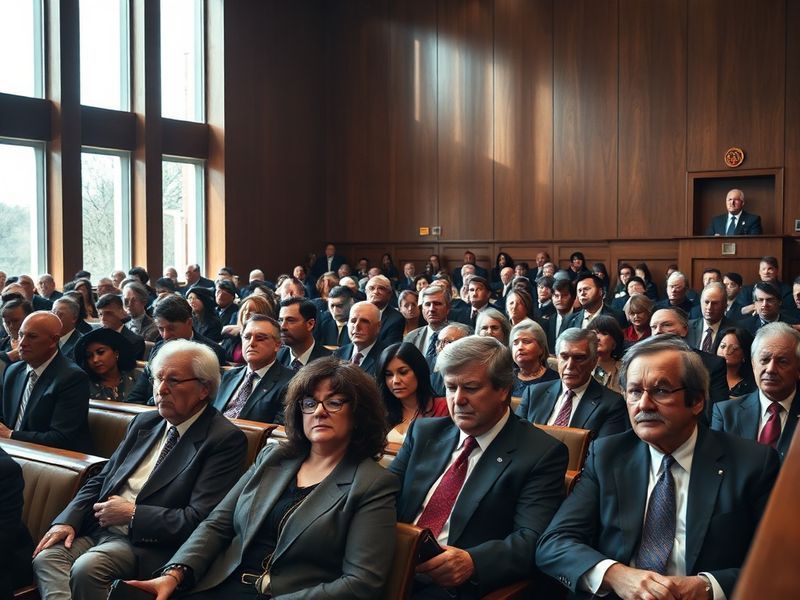
Class Action Lawsuits Explained: Global Impact and Legal Trends
“`html
What Is a Class Action Lawsuit?
Class action lawsuits are legal cases that allow a group of people with similar grievances to sue a single defendant or entity collectively. Instead of each person filing their own lawsuit, individuals join together to form a “class.” This approach streamlines justice, reduces court congestion, and gives plaintiffs more leverage against powerful corporations or institutions. The concept has roots in English common law but has evolved into a global tool for consumer protection, civil rights enforcement, and corporate accountability.
In many jurisdictions, including the United States and Canada, class actions are governed by specific procedural rules. For example, in the U.S., Rule 23 of the Federal Rules of Civil Procedure sets the criteria for certification: numerosity (a large enough group), commonality (shared legal or factual issues), typicality (the claims are typical of the class), and adequacy (the class representatives fairly and adequately protect the class interests). These rules ensure fairness while preventing frivolous or unmanageable claims.
A Global Perspective: Where Class Actions Are Rising
While the United States is often seen as the epicenter of class action litigation—thanks in part to its contingency fee system and punitive damages—other countries are increasingly adopting similar mechanisms. In Europe, collective redress has gained traction as a way to protect consumers from corporate misconduct. The European Union passed a directive in 2020 requiring member states to allow representative actions for violations of EU consumer laws, signaling a shift toward broader access to justice.
In Australia, class actions have flourished since the 1990s, particularly in cases involving shareholder misconduct and product liability. The country’s “open class” system allows new members to join even after a case is filed, which has led to some of the largest settlements in its legal history. Meanwhile, in Latin America, countries like Brazil and Mexico are still developing their frameworks, with courts often debating the balance between access to justice and the risk of abusive litigation.
In Asia, class actions are less common but growing. Japan introduced a quasi-class action system in 2016 allowing consumer groups to sue on behalf of others, though participation remains limited. South Korea has seen a rise in collective suits, especially in cases involving data breaches and environmental damage. These trends reflect a global movement toward collective legal action as societies demand greater corporate accountability.
Why Class Actions Matter: Power, Justice, and Culture
The cultural significance of class actions extends beyond the courtroom. They serve as a check on corporate power, particularly in industries like pharmaceuticals, finance, and technology. Landmark cases—such as the 1998 tobacco settlement in the U.S., which resulted in a $246 billion payout over 25 years—have reshaped industries and public health policies. Such cases often become part of national conversations, influencing legislation and corporate behavior long after the lawsuit ends.
Class actions also reflect societal values about justice and fairness. In some cultures, the idea of suing a corporation or government is met with skepticism, seen as disruptive or unpatriotic. Yet in others, collective legal action is celebrated as a democratic tool. For example, in India, public interest litigation has been used to address issues like air pollution and labor rights, blending traditional legal processes with modern activism. These cases demonstrate how class actions can evolve beyond individual claims to address systemic problems.
Moreover, the rise of digital platforms has introduced new challenges and opportunities for class actions. Data breaches, such as the 2017 Equifax hack that exposed the personal information of 147 million Americans, have led to massive consolidated lawsuits. Social media has also amplified awareness, enabling affected individuals to organize and amplify their voices. This digital mobilization has pressured regulators and companies to respond more swiftly to consumer complaints.
Challenges and Criticisms: The Controversial Side of Collective Suits
Despite their benefits, class actions are not without controversy. Critics argue that they often benefit lawyers more than plaintiffs, with large fees consuming much of the settlement. In some cases, class members receive little compensation while attorneys reap millions. The U.S. legal system has seen reforms, such as the Class Action Fairness Act of 2005, aimed at curbing abuses and ensuring more equitable outcomes.
Another criticism is the potential for frivolous or opportunistic lawsuits. Some plaintiffs’ attorneys seek out minor disputes hoping to pressure defendants into settlements, regardless of merit. This has led to calls for stricter certification standards and greater judicial oversight. In Europe, concerns about “American-style litigation” have prompted debates over whether to limit damages or cap attorney fees to prevent exploitation.
Cultural differences also play a role in how class actions are perceived. In some countries, the stigma around litigation discourages participation, even when collective action could lead to meaningful change. For instance, in Japan, the legal system traditionally favors out-of-court resolutions, making class actions a less attractive option. Meanwhile, in countries with weaker legal protections, class actions may face resistance from entrenched political or corporate interests.
What’s Next for Class Actions? Trends and Predictions
The future of class actions will likely be shaped by technological advancements and shifting global priorities. One emerging trend is the use of blockchain and smart contracts to automate claims processes, reducing administrative burdens and increasing transparency. Another is the growing focus on environmental, social, and governance (ESG) issues, with class actions targeting companies over greenwashing or labor violations.
Legislative changes will also play a critical role. As more countries adopt collective redress mechanisms, harmonization efforts may emerge, particularly within regional blocs like the EU. However, cultural and legal differences will continue to shape how these systems develop. For example, while the U.S. emphasizes punitive damages, other jurisdictions may prioritize injunctive relief—court orders requiring companies to change their practices.
For consumers, staying informed about class action opportunities is key. Many settlements go unclaimed because affected individuals are unaware they qualify. Platforms like Legal Resources provide updates on active cases, deadlines, and eligibility. As class actions evolve, they will likely remain a vital tool for justice—one that adapts to the needs and values of societies worldwide.
Class actions are more than legal tools; they are reflections of societal trust in institutions, the balance of power between individuals and corporations, and the evolving nature of justice. Whether through a landmark tobacco settlement or a digital-era data breach lawsuit, these cases remind us that collective action can drive meaningful change—when wielded responsibly.