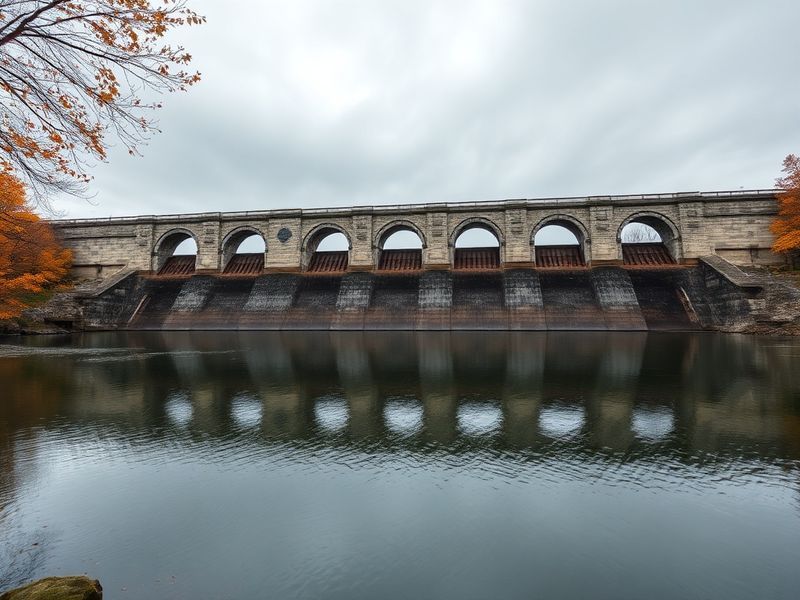
The Cheboygan Dam stands as a vital piece of infrastructure in northern Michigan, blending industrial function with historical significance. Located in the city of Cheboygan, the dam spans the Cheboygan River, serving multiple purposes that have shaped the region’s development. From its early days as a log drive obstacle to its modern role in hydroelectric power, the dam’s story reflects broader themes of industrial progress and environmental adaptation.
Built in 1877, the Cheboygan Dam was originally constructed to facilitate the logging industry, which dominated Michigan’s economy at the time. The dam created a reservoir that allowed logs to be floated downstream to sawmills, a critical process during the late 19th century. Over time, its purpose expanded beyond logging as the community grew and energy demands increased. Today, the dam is operated by local authorities and continues to play a role in flood control, recreation, and renewable energy production.
The Dam’s Engineering and Operational Evolution
The original structure was a modest timber dam, typical of the era’s engineering. However, as technology advanced, so did the dam’s design. In the early 20th century, it was rebuilt with concrete and steel, transforming it into a more durable and functional piece of infrastructure. The current iteration includes a series of gates and spillways that regulate water flow, balancing the needs of power generation with flood prevention.
One of the dam’s most notable features is its hydroelectric power station. Installed in the mid-20th century, the station generates enough electricity to power thousands of homes annually. While not a massive producer compared to larger dams, its contribution to the local grid is significant. The facility operates efficiently, with minimal environmental impact, thanks to modern turbines and automated control systems.
The dam’s operational challenges are typical of aging infrastructure. Engineers must regularly inspect the structure for wear and tear, particularly in the concrete and spillway components. Sediment buildup behind the dam is another concern, as it can reduce the reservoir’s capacity and affect water quality. Maintenance crews use specialized equipment to dredge the riverbed and ensure the dam remains functional.
Maintenance and Environmental Considerations
Environmental groups have occasionally raised concerns about the dam’s impact on fish migration. The Cheboygan River is home to several species, including salmon and trout, which rely on free-flowing water to complete their life cycles. To address this, the dam includes a fish ladder, allowing some species to bypass the structure during spawning seasons. However, critics argue that the ladder is not always effective, and ongoing debates persist about the need for fish passage improvements.
The dam also plays a role in local flood management. During periods of heavy rainfall or snowmelt, the reservoir can absorb excess water, reducing the risk of downstream flooding. This function is particularly valuable in Cheboygan, where seasonal variations in water levels can be extreme. The dam’s operators work closely with emergency management agencies to monitor conditions and release water as needed.
Recreational and Economic Benefits
Beyond its industrial uses, the Cheboygan Dam enhances the quality of life for residents and visitors. The reservoir behind the dam, known as Cheboygan Lake, is a popular spot for boating, fishing, and kayaking. Anglers frequent the area for walleye, perch, and smallmouth bass, while boaters enjoy the calm waters and scenic shoreline. The dam’s presence has helped turn the region into a recreational destination, supporting local businesses such as marinas, bait shops, and restaurants.
The dam’s economic impact extends beyond recreation. The hydroelectric station contributes to the local energy grid, reducing reliance on fossil fuels and lowering utility costs for residents. Additionally, the dam’s historical significance attracts tourists interested in Michigan’s industrial heritage. Guided tours of the facility and nearby museums provide insight into the region’s logging and manufacturing past.
Local festivals and events often incorporate the dam into their celebrations. For example, the annual Cheboygan River Days festival features activities centered around the dam and its reservoir. These events foster community pride and encourage visitors to explore the area’s natural and historical attractions.
Challenges and Future Outlook
Despite its many benefits, the Cheboygan Dam faces challenges that could shape its future. Aging infrastructure is a persistent concern, with some components nearing the end of their expected lifespan. Upgrading the dam to meet modern safety and environmental standards will require significant investment, and funding sources remain a topic of debate among local officials.
Climate change presents another challenge. Increased precipitation and more intense storms could strain the dam’s flood control capabilities. Engineers are exploring adaptive strategies, such as expanding the reservoir’s capacity or enhancing spillway efficiency, to prepare for these changes. Meanwhile, environmental advocates continue to push for greater protections for fish and wildlife, which may require modifications to the dam’s operations.
Looking ahead, the Cheboygan Dam’s role in the community will likely evolve. While it may never be a major producer of hydroelectric power, its value as a historical landmark and recreational asset ensures its continued relevance. Preserving the dam for future generations will require a balance of innovation, investment, and community engagement.
Community Perspectives
Residents of Cheboygan have mixed feelings about the dam. Longtime locals often speak fondly of its history and the role it played in the city’s growth. “The dam was always a part of our lives,” said one resident. “We fished off it, watched the logs go by, and now we boat on the lake. It’s a big part of what makes Cheboygan special.”
Others, particularly younger generations, are less familiar with the dam’s history but appreciate its modern benefits. A local business owner noted, “The dam brings people into town. Whether it’s for fishing, boating, or just sightseeing, it’s good for our economy.” However, some environmentalists argue that the dam’s benefits come at a cost to the river’s ecosystem. “We need to find a way to modernize the dam while also protecting the river,” said a representative from a regional conservation group.
Conclusion: A Legacy Worth Preserving
The Cheboygan Dam is more than just a structure across a river. It is a testament to the region’s industrial past, a provider of essential services, and a hub for community activity. Its story reflects the broader challenges and opportunities faced by aging infrastructure in a changing world. As Cheboygan looks to the future, the dam will likely remain a central figure—one that must be carefully maintained, thoughtfully adapted, and celebrated for its contributions to the area.
For visitors and residents alike, the Cheboygan Dam offers a glimpse into the intersection of history, technology, and nature. Whether you’re drawn by the promise of a good catch, the hum of hydroelectric power, or the quiet beauty of the river, the dam stands as a reminder of how infrastructure can shape—and be shaped by—a community.