By Dave’s Locker Staff | Published
The Federal Reserve’s Chair is one of the most consequential roles in global economics. This single position wields immense influence over monetary policy, financial markets, and the economic well-being of millions. The Chair doesn’t just steer the U.S. economy—they shape global confidence, impact borrowing costs worldwide, and often serve as the de facto spokesperson for central banking itself.
Who holds this role, how did they get there, and why does their every word move markets? More importantly, what broader implications does this position carry for everyday Americans and the international financial system? Understanding the Chair’s role requires looking beyond the headlines to the mechanics of power, the weight of decisions, and the human behind the title.
The Role and Responsibilities of the Federal Reserve Chair
The Chair of the Federal Reserve leads the central bank of the United States, guiding its seven-member Board of Governors and overseeing the Federal Open Market Committee (FOMC). This committee sets key interest rates, influences money supply, and ultimately steers economic growth, inflation, and employment.
Unlike other government positions, the Chair isn’t elected—they’re nominated by the President and confirmed by the Senate. But once in office, they serve a four-year term that often spans multiple presidential administrations. This independence from short-term political pressures is a cornerstone of the Fed’s credibility. Historically, Chairs like Paul Volcker, Alan Greenspan, and Janet Yellen have become household names not just in finance, but in households across America.
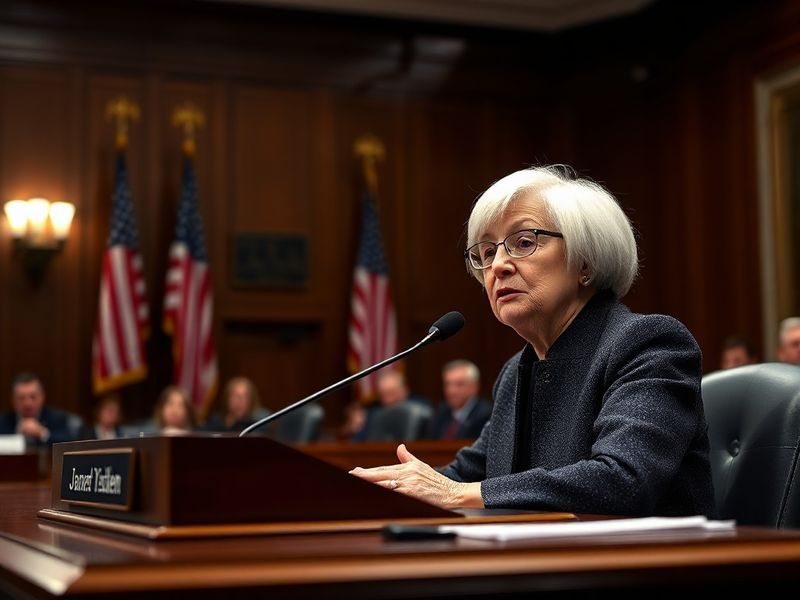
The Chair’s responsibilities extend far beyond setting interest rates. They testify before Congress, deliver speeches that can shift market sentiment overnight, and represent the U.S. in international financial forums. Their words are parsed for clues about future policy moves—whether it’s a hint at a rate hike or reassurance during a financial crisis. In many ways, the Chair is the public face of economic stewardship.
Key Powers and Tools at the Chair’s Disposal
The Chair doesn’t operate in a vacuum. They lead a vast network of economists, analysts, and regional bank presidents. But their most direct tools include:
- Interest Rate Policy: By adjusting the federal funds rate, the Chair influences borrowing costs for consumers, businesses, and governments. A rate hike can cool inflation but may slow hiring. A cut can spur growth but risk overheating the economy.
- Quantitative Easing (QE): During crises, the Chair can expand the Fed’s balance sheet by purchasing bonds, injecting liquidity into the financial system.
- Forward Guidance: The Chair’s public statements about future policy intentions can calm markets or signal impending changes.
- Regulatory Oversight: The Chair plays a role in shaping financial regulations, particularly during periods of instability.
These tools aren’t just abstract economic levers—they determine whether a small business can afford a loan, whether a family can refinance their mortgage, or whether a pension fund meets its obligations. The Chair’s decisions echo through Main Street and Wall Street alike.
How the Chair Shapes the U.S. and Global Economies
The Federal Reserve Chair doesn’t just influence the U.S.—they cast a long shadow over the global economy. Because the U.S. dollar remains the world’s reserve currency, Fed policy ripples across borders. When the Chair raises rates, emerging markets often face capital outflows. When they signal dovishness, global investors flock to dollar-denominated assets.
Consider the 2013 “Taper Tantrum.” When then-Chair Ben Bernanke hinted at slowing bond purchases, emerging markets from India to Brazil saw their currencies plunge. It wasn’t just a market reaction—it was a reminder of how deeply interconnected the world’s financial system is.
Domestically, the Chair’s impact is equally profound. During the 2008 financial crisis, Ben Bernanke’s decisive action—cutting rates to near zero and launching QE—prevented a deeper depression. Similarly, Jerome Powell’s rapid rate hikes in 2022-2023 aimed to tame inflation but also sparked debates about whether the Fed had acted too late or too aggressively.
These decisions aren’t made in a vacuum. They’re responses to inflation data, employment reports, geopolitical shocks, and even public sentiment. The Chair must balance competing priorities: fighting inflation without choking growth, supporting markets without encouraging reckless risk-taking. It’s a high-wire act, and the consequences of a misstep can be severe.
The Human Behind the Title: Leadership in Turbulent Times
Behind the economic jargon and policy minutiae is a human leader navigating immense pressure. The Chair faces criticism from all sides—Wall Street blames them for market volatility; Main Street accuses them of not doing enough for workers; politicians demand lower rates ahead of elections. The role demands not just technical expertise, but political acumen and emotional resilience.
Janet Yellen, the first woman to hold the role, faced skepticism about her ability to lead during a fragile recovery. Yet her steady hand helped guide the economy back to stability. Jerome Powell, meanwhile, has weathered attacks from both sides of the aisle, accused of either stoking inflation or crushing growth too aggressively.
What sets great Chairs apart isn’t just their economic knowledge—it’s their ability to communicate clearly, admit uncertainty, and maintain credibility even when policies fail. The best Chairs understand that trust is their most valuable currency.
The Future of the Federal Reserve Chair: Challenges and Expectations
The next Chair will inherit a complex economic landscape. Inflation remains sticky in some sectors. The labor market shows signs of cooling. Global tensions—from wars to supply chain disruptions—add layers of uncertainty. Meanwhile, the Fed’s balance sheet remains bloated from years of crisis-era stimulus, raising questions about how and when to shrink it.
There’s also the issue of transparency. The Fed has increasingly emphasized communication, but critics argue that its opaque decision-making process still leaves room for confusion. Could the next Chair push for more clarity? Or will they double down on the Fed’s traditional caution?
Another looming challenge is the Fed’s role in addressing climate change. Should the central bank incorporate environmental risks into its regulatory framework? Could it use its lending powers to incentivize green investment? These aren’t just theoretical questions—they’re becoming urgent policy debates.
As technology reshapes finance—from cryptocurrencies to digital payments—the next Chair will also need to grapple with innovation. How should the Fed regulate stablecoins? Should it launch a digital dollar? The answers could redefine the financial system for decades.
What to Watch in the Next Chair’s Tenure
If a new Chair takes office, here are the key areas to monitor:
- Inflation Trajectory: Will they succeed in bringing inflation down to the Fed’s 2% target without triggering a recession?
- Labor Market Dynamics: With unemployment rising slightly, how will they balance job growth with wage pressures?
- Global Spillovers: How will their policies affect emerging markets and U.S. trading partners?
- Financial Stability: Are there risks in commercial real estate, shadow banking, or corporate debt that need monitoring?
- Innovation and Regulation: How will they address the rise of fintech, AI in lending, and decentralized finance?
These aren’t just technical questions—they’re about the kind of economy Americans will live in for years to come. The Chair’s decisions will shape everything from the price of groceries to the availability of mortgages. In a world where economic anxiety is rising, the Fed’s leadership matters more than ever.
Conclusion: The Chair’s Enduring Impact
The Federal Reserve Chair is more than a bureaucrat or an economist—they’re a guardian of stability in an uncertain world. Their decisions touch lives in ways both visible and invisible, from the factory worker worried about layoffs to the retiree watching their savings grow. The role demands a rare blend of intellectual rigor, political savvy, and moral courage.
As we look to the future, the Chair’s challenge will be to navigate a world where old economic rules no longer apply. Inflation, technology, climate change, and geopolitical shifts are rewriting the playbook. Yet the core mission remains: to foster maximum employment, stable prices, and a resilient financial system.
Whether you agree with their policies or not, the Chair’s influence is undeniable. They are the unseen hand shaping the economy’s pulse—one rate decision, one speech, one crisis at a time.
For those who want to dive deeper into the forces shaping our financial world, explore Dave’s Locker News for real-time updates on economic policy and Finance for analysis on markets, investments, and the broader economic landscape.