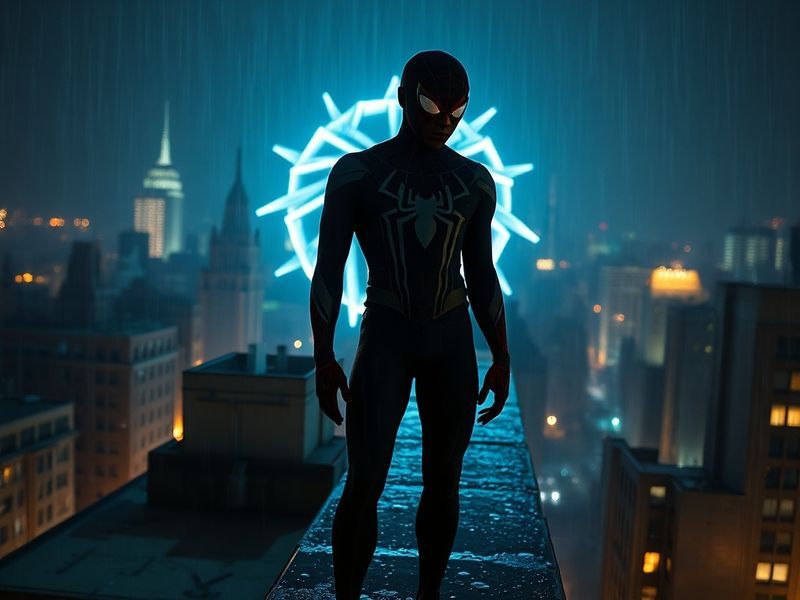
Spider-Man Beyond the Spider-Verse: A Global Phenomenon Rewriting the Rules
Few franchises have reshaped modern animation and comic book culture as dramatically as Spider-Man: Across the Spider-Verse. The 2023 sequel didn’t just meet expectations—it shattered them, earning an Academy Award and cementing its place as a landmark in global pop culture. But the story doesn’t end with Miles Morales on screen. What happens when a superhero narrative transcends its own medium and becomes a cultural bridge? That’s the question at the heart of Spider-Man Beyond the Spider-Verse, a growing movement exploring how Spider-Man’s influence is evolving far beyond animation.
The Cultural Ripple Effect of a Multiversal Hero
The original Spider-Verse films introduced audiences to a visually stunning, emotionally rich universe where Spider-People from different dimensions coexisted. That innovation didn’t just influence animation—it redefined how global audiences engage with superheroes. The sequel amplified this impact by weaving deeper themes of identity, belonging, and artistic expression into its narrative. These themes resonate deeply across cultures, from Tokyo’s otaku districts to Lagos’ thriving animation scene.
In Japan, fan art inspired by the films has flooded social media platforms like Pixiv and Twitter, with artists reimagining Spider-Man in kimono styles, samurai armor, and even cyberpunk aesthetics. In Brazil, local animators have created short films featuring Afro-Brazilian Spider-Heroes, drawing direct inspiration from Across the Spider-Verse’s diverse representation. The franchise has become a creative catalyst, empowering artists worldwide to redefine what it means to be a hero.
This global reinterpretation isn’t accidental. Spider-Verse’s directors, Kemp Powers and Justin K. Thompson, emphasized cultural authenticity in every frame. The film’s depiction of Brooklyn and Rio de Janeiro wasn’t just background—it was character. That commitment to place and identity has given rise to what many critics now call the “Spider-Verse Effect,” a phenomenon where global creators use the franchise as a template for inclusive storytelling.
From Animation to Fashion, Music, and Education
The influence of Spider-Verse extends well beyond the screen. In fashion, brands like Nike and Adidas have launched Spider-Man-themed collections, blending streetwear with high art. Limited-edition sneakers inspired by Miles’ hoodie and Gwen Stacy’s jacket sold out within minutes, proving how deeply the franchise resonates with Gen Z consumers.
Music has also been transformed. The film’s soundtrack, featuring artists like Swae Lee and Daniel Caesar, topped global charts and inspired remixes from Tokyo to Lagos. Even K-pop groups have incorporated Spider-Man aesthetics into their choreography and music videos, signaling a new wave of multimedia crossover.
Education is another unexpected frontier. Schools in the U.S. and U.K. have begun using Spider-Verse clips to teach animation techniques, character design, and even philosophy. The film’s exploration of parallel worlds has sparked discussions about multiversal theory in physics classes, turning a comic book movie into a teaching tool.
This cross-disciplinary reach underscores a key insight: Spider-Man: Across the Spider-Verse isn’t just a movie. It’s a cultural platform that invites participation, reinterpretation, and innovation across industries.
The Rise of Fan-Led Spider-Verses
Perhaps the most telling sign of the franchise’s enduring impact is the rise of fan-led Spider-Universes. Online communities on Reddit, Discord, and TikTok are creating their own Spider-Heroes, each reflecting local cultures and values. In India, creators have introduced a Spider-Man inspired by Hindu mythology. In South Africa, a new hero blends township culture with arachnid powers.
These grassroots movements are not just fan fiction—they are creative acts of resistance and representation. They challenge the traditional dominance of Western superheroes and assert the right of global audiences to see themselves in these stories. This democratization of heroism is one of the most powerful legacies of Spider-Verse.
As technology advances, so do the possibilities. Virtual reality experiences allow fans to step into Miles’ shoes and swing through New York. Augmented reality filters let users become Spider-People in their own neighborhoods. The line between fiction and reality is blurring, and Spider-Man is leading the way.
What’s Next for Spider-Man Beyond the Screen?
The future of Spider-Man Beyond the Spider-Verse lies in collaboration. Sony Pictures Animation has hinted at more films, but the real growth may come from partnerships with global studios, game developers, and tech innovators. A potential animated series set in Tokyo or Lagos could redefine international co-productions. A Spider-Man game developed in Brazil could set new standards for diversity in gaming.
There’s also the question of legacy. How will today’s children, inspired by Miles and Gwen, shape the next generation of heroes? If Spider-Verse has taught us anything, it’s that heroism isn’t about powers—it’s about perspective. And in a world hungry for connection, Spider-Man remains the perfect guide.
One thing is clear: the story of Spider-Man is far from over. It’s just getting started.
Where to Experience the Spider-Verse Beyond the Screen
For fans looking to dive deeper, here are ways to engage with the expanding Spider-Verse:
- Art & Design: Explore fan galleries on ArtStation featuring global interpretations of Spider-Man.
- Fashion: Follow collabs between streetwear brands and Spider-Man IP on Instagram.
- Gaming: Keep an eye on upcoming Spider-Man titles from developers like Insomniac and Marvel Games.
- Education: Check out educational resources that use Spider-Man to teach STEM and art.
Whether you’re an artist, a gamer, a student, or simply a fan, the Spider-Verse is waiting for you to add your chapter.