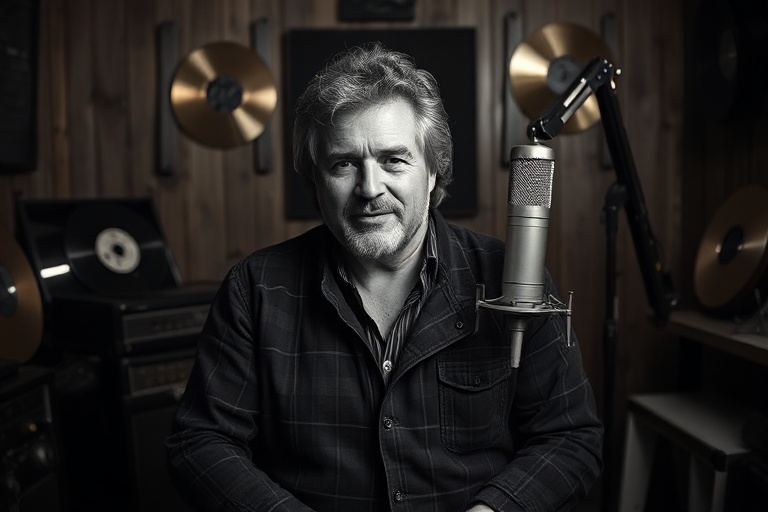
Scott Borchetta has spent decades shaping the modern country music landscape, first as a radio promoter and later as the founder of one of Nashville’s most influential independent labels. His career spans roles in radio, artist management, and record label ownership, giving him a rare vantage point across multiple sectors of the music industry. Today, Borchetta remains a polarizing yet undeniably significant figure, often credited with launching careers and reshaping how music is marketed and monetized.
The Early Years: Radio, Promotion, and Industry Foundations
Born in 1962 in Minnesota, Scott Borchetta grew up with music in his blood. His father, a radio station owner, exposed him early to the business side of the industry. By his late teens, Borchetta was working in radio himself, first as a DJ and later in sales and programming. His deep understanding of radio formats and audience tastes became a cornerstone of his future success.
In the 1980s and 1990s, Borchetta worked for major labels including MCA and Giant Records, where he honed his skills in artist promotion and label strategy. He learned how labels operated from the inside—how budgets were allocated, how artists were signed, and how radio play was secured. This experience proved invaluable when he decided to launch his own venture in 2005: Big Machine Records.
Big Machine Records: Building a Legacy One Hit at a Time
Big Machine Records emerged at a pivotal moment in the music industry. The rise of digital downloads and streaming was disrupting traditional revenue models, and many labels struggled to adapt. Borchetta, however, saw an opportunity. He positioned Big Machine as an artist-friendly label with a focus on long-term development, not just quick hits. This philosophy attracted a roster of artists who valued creative control and sustainable careers.
The label’s first major signing was Taylor Swift in 2005, a then-unknown 15-year-old with a guitar and a dream. Borchetta took a chance on her, investing time and resources in her debut album. The result was “Tim McGraw,” a single that launched Swift into the spotlight and set the stage for a decade of dominance. Swift’s early success validated Borchetta’s approach: nurture talent, give them creative freedom, and let their authenticity resonate with audiences.
Under Borchetta’s leadership, Big Machine became home to several multi-platinum artists, including:
- Taylor Swift – whose debut album sold over 5 million copies worldwide
- Tim McGraw – a country legend who helped anchor the label’s roster
- Miranda Lambert – whose fiery songwriting and vocal talent made her a star
- The Band Perry – a family act that blended country with pop sensibilities
By 2010, Big Machine Records had become one of the most successful independent labels in the U.S., proving that a nimble, artist-focused model could compete with corporate giants. Borchetta’s ability to balance commercial success with artistic integrity earned him respect across the industry.
The Business of Music: Sales, Streaming, and Industry Disruption
Borchetta’s tenure at Big Machine coincided with seismic shifts in how music was consumed. The decline of physical CD sales forced labels to rethink their business models. While many resisted the digital transition, Borchetta embraced it—though not without controversy. In 2009, Big Machine struck a deal with iTunes to sell digital downloads, positioning the label at the forefront of the digital music revolution.
Yet Borchetta was also known for his aggressive stance on music rights. In 2019, the label’s ownership of Taylor Swift’s master recordings became a public dispute when Swift sought to re-record her early work after her contract expired. The situation highlighted the power dynamics between artists and labels—a tension Borchetta navigated with a firm, sometimes uncompromising approach. Critics argued that his policies prioritized label control over artist freedom, while supporters credited him with building a sustainable business model in an unstable industry.
Beyond the Label: Borchetta’s Influence and Future Ventures
Borchetta’s impact extends beyond Big Machine. He has served on the boards of organizations like the Country Music Association (CMA) and the Academy of Country Music (ACM), using his platform to advocate for industry-wide change. His insights into digital distribution and artist development have made him a sought-after speaker at music conferences and business forums.
In recent years, Borchetta has expanded his reach. In 2019, he launched Big Machine Music, a division focused on music publishing and licensing. He also launched a podcast, “The Business of Music with Scott Borchetta,” where he interviews industry leaders and shares lessons from his decades in the business.
Despite stepping back from day-to-day operations at Big Machine after its sale to Ithaca Holdings in 2019, Borchetta remains active in the music world. His latest venture, SB Projects, offers artist management and consulting services, helping emerging artists navigate the complexities of the modern industry. His focus now seems less on building empires and more on empowering the next generation of musicians.
Legacy and Lessons: What Borchetta Teaches the Music Industry
Scott Borchetta’s career offers several key takeaways for anyone interested in the music business. First, he demonstrates the power of artist-first thinking. While many labels chase short-term profits, Borchetta built Big Machine by investing in long-term relationships. This approach not only yielded commercial success but also fostered deep loyalty among artists.
Second, Borchetta’s career highlights the importance of adaptability. He entered the music business during the CD era, navigated the digital revolution, and now operates in a streaming-dominated landscape. His ability to pivot without losing sight of his core values—authenticity, artist support, and innovation—set him apart.
Finally, Borchetta’s story underscores the dual-edged nature of power in the music industry. His uncompromising stance on contracts and rights has drawn both admiration and criticism. It serves as a reminder that leadership in this field requires not just business acumen but also a clear ethical compass.
As the music industry continues to evolve, Borchetta’s influence remains a touchstone for artists and executives alike. Whether viewed as a visionary or a hard-nosed businessman, his contributions have undeniably shaped the sound and structure of modern country music.