<!DOCTYPE html>
<html lang="en">
<head>
    <meta charset="UTF-8">
    <meta name="viewport" content="width=device-width, initial-scale=1.0">
    <title>William, Prince of Wales: The Modern Monarchy's Global Face</title>
</head>
<body>
    <article>
        <h2>William, Prince of Wales: The Modern Monarchy's Global Face</h2>

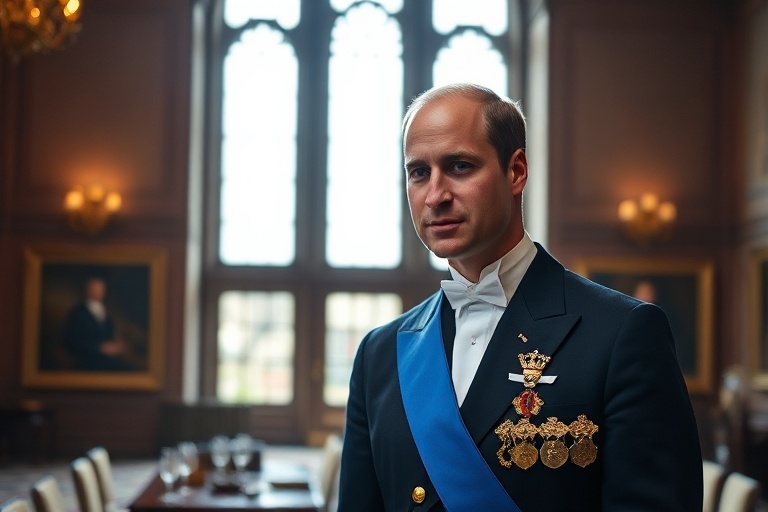
        <p>The Prince of Wales stands at the intersection of tradition and transformation. As the eldest son of King Charles III, William carries the weight of centuries-old royal expectations while navigating the demands of a 21st-century public figure. His role extends beyond ceremonial duties, shaping the monarchy's relevance in an era of shifting global dynamics.</p>

        <p>Born on June 21, 1982, William Arthur Philip Louis has spent his life preparing for a position he never expected to inherit after his mother Princess Diana's tragic death in 1997. His journey from a grieving teenager to a steadying presence in the royal family reflects both personal resilience and the evolving nature of modern monarchy.</p>

        <h3>The Making of a Future King</h3>

        <p>William's education at prestigious institutions like Eton College and the University of St Andrews laid the foundation for his public service. Unlike previous generations of royals who often pursued military careers exclusively, William balanced academic achievement with practical experience. His gap year included volunteering in Chile and Belize, demonstrating early commitment to public service.</p>

        <p>The Prince's military service became a defining chapter. Commissioned as an officer in the Blues and Royals regiment in 2006, he later trained as a pilot with the Royal Air Force. His operational deployments to Afghanistan in 2008 and 2012 highlighted the monarchy's continued connection to national defense during a time of active conflict.</p>

        <ul>
            <li><strong>Key educational milestones:</strong> Eton College, University of St Andrews (where he met Catherine Middleton)</li>
            <li><strong>Military service:</strong> Commissioned in 2006, deployed to Afghanistan twice</li>
            <li><strong>Professional development:</strong> Qualified as helicopter pilot in 2010</li>
        </ul>

        <h3>The Evolution of a Royal Marriage</h3>

        <p>William's relationship with Catherine Middleton began during their time at St Andrews. Their 2011 wedding at Westminster Abbey drew global attention, marking one of the most-watched events of the decade. The couple's partnership has become a cornerstone of the monarchy's modern image, blending traditional royal duties with contemporary transparency.</p>

        <p>Their three children—George, Charlotte, and Louis—represent the future of the royal family. William has spoken openly about the challenges of parenting while maintaining royal duties, particularly after his mother's death. His approach to fatherhood, emphasizing emotional openness, contrasts with the more reserved parenting styles of previous generations.</p>

        <p>Catherine's influence extends beyond family life. Her work on mental health awareness and early childhood development has shaped the couple's public agenda. Together, they've redefined royal philanthropy by focusing on causes that resonate with younger generations.</p>

        <h3>The Prince's Role in the Changing Monarchy</h3>

        <p>Since becoming Prince of Wales in 2022, William has taken on increased responsibilities representing the Crown across the Commonwealth. His official tours to countries including the United States, the Caribbean, and the Middle East demonstrate the monarchy's ongoing role in international diplomacy.</p>

        <p>The Prince's approach to royal duties reflects a careful balance between maintaining tradition and embracing necessary modernization. His speeches often emphasize environmental conservation, youth empowerment, and mental health—issues that resonate globally while aligning with his personal passions.</p>

        <p>William's leadership during periods of royal transition has been particularly notable. His calm presence during Queen Elizabeth II's final years and his subsequent coronation support for King Charles III helped stabilize the monarchy during a turbulent period.</p>

        <h3>The Global Perspective on Modern Royalty</h3>

        <p>From a global standpoint, William represents both continuity and change in monarchy's evolving role. In republics like Australia and Barbados, his visits spark debates about constitutional monarchy's future. In monarchies like Japan and Thailand, his approach to family life offers models for royal institutions adapting to modern expectations.</p>

        <p>The Prince's popularity varies across cultures. In Commonwealth nations, he's often seen as a stabilizing figure. In former colonies, his visits sometimes prompt discussions about historical legacies and contemporary relationships with the Crown.</p>

        <p>William's environmental advocacy, particularly through his Earthshot Prize initiative, has positioned him as a thought leader on climate change. This work extends the monarchy's traditional charitable roles into global policy discussions.</p>

        <h3>The Future of the Prince of Wales</h3>

        <p>As William prepares for his future role as king, his approach to monarchy will likely continue evolving. The pressures of modern media, public expectations, and family dynamics create a complex environment for his eventual reign.</p>

        <p>His focus on mental health awareness, particularly through initiatives like Heads Together, suggests a monarchy that engages more openly with contemporary social issues. This approach may help maintain relevance in an era where traditional institutions face increasing scrutiny.</p>

        <p>The Prince's personal journey—from a young man navigating grief to a global figure shaping royal traditions—offers insights into monarchy's potential to adapt while maintaining core values. His story reflects broader questions about tradition's role in modern society.</p>

        <p>As he continues to define his legacy, William's ability to balance innovation with tradition will determine how effectively the monarchy meets the challenges of the 21st century.</p>
    </article>

    <!-- Metadata section -->